
Last updated November 23, 2026
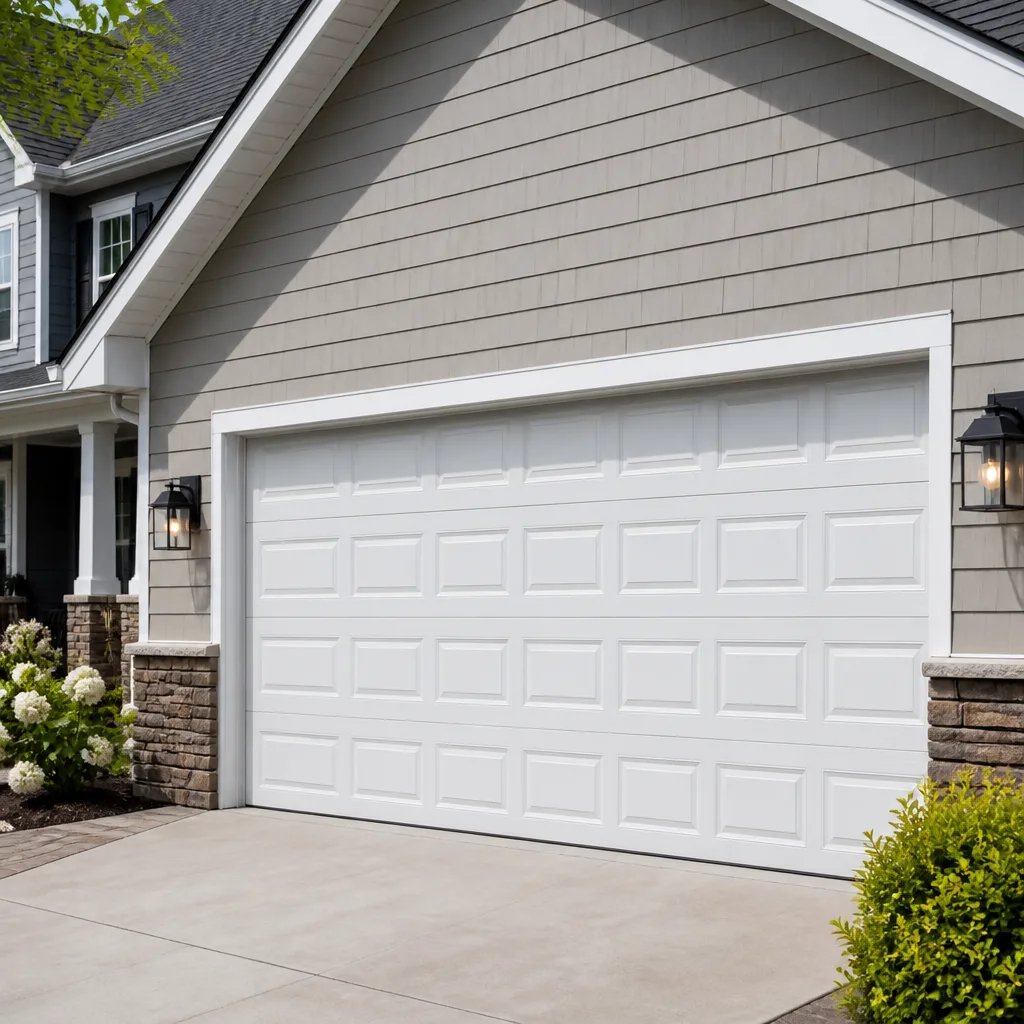 Raised-panel steel
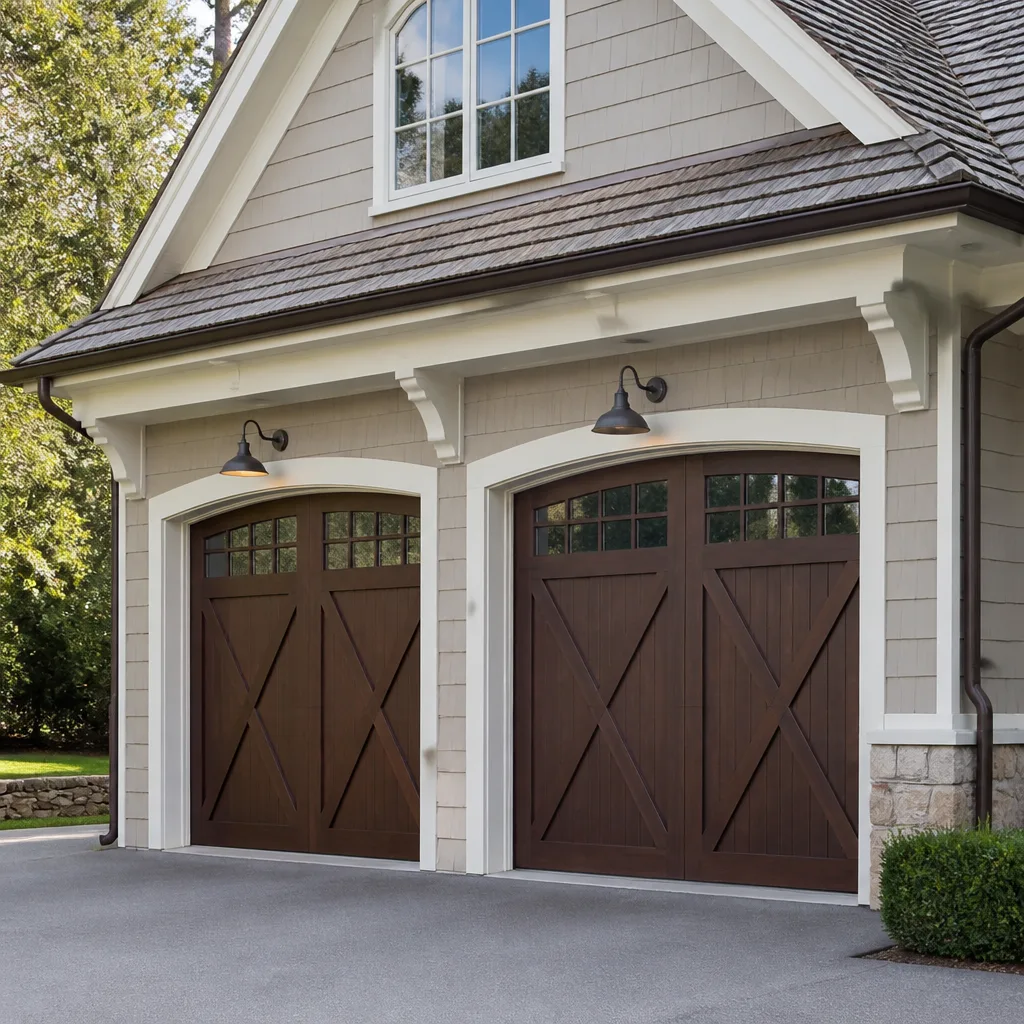 Carriage house
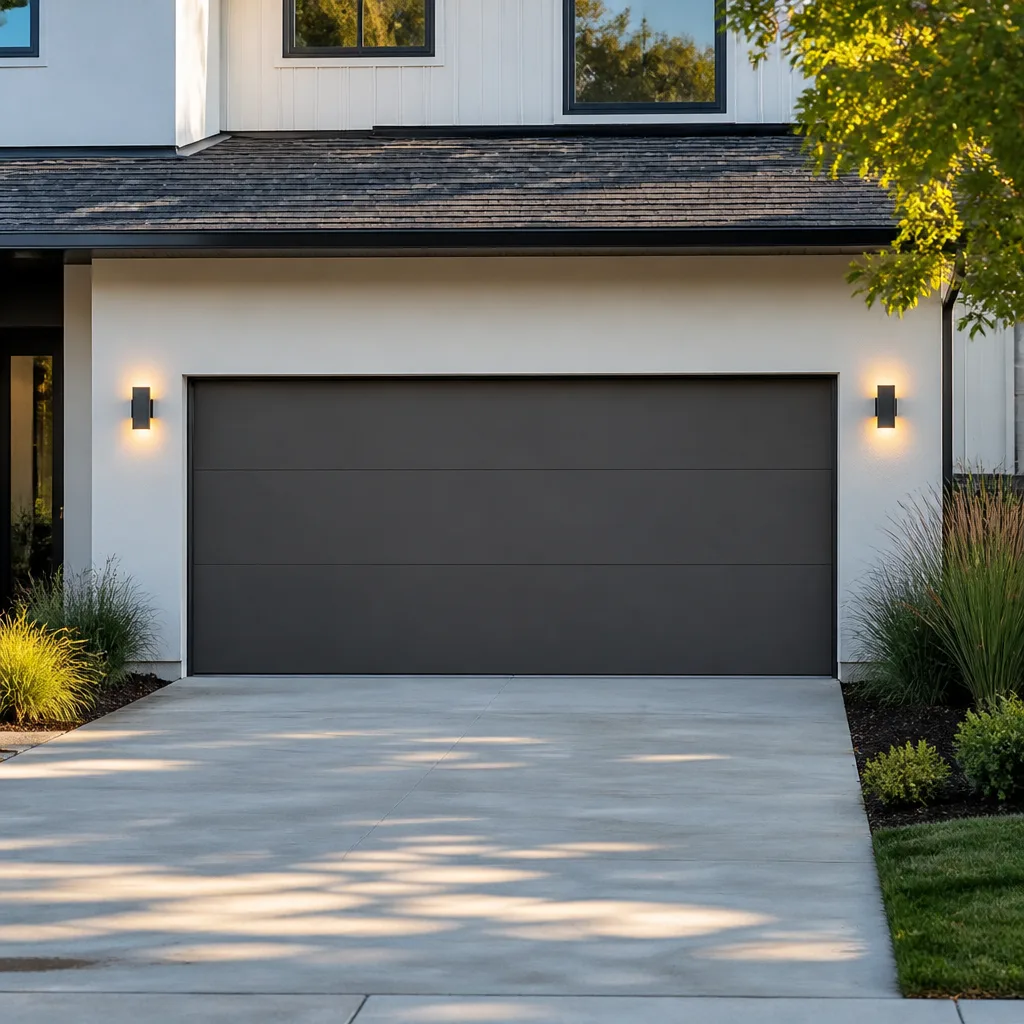 Modern flush
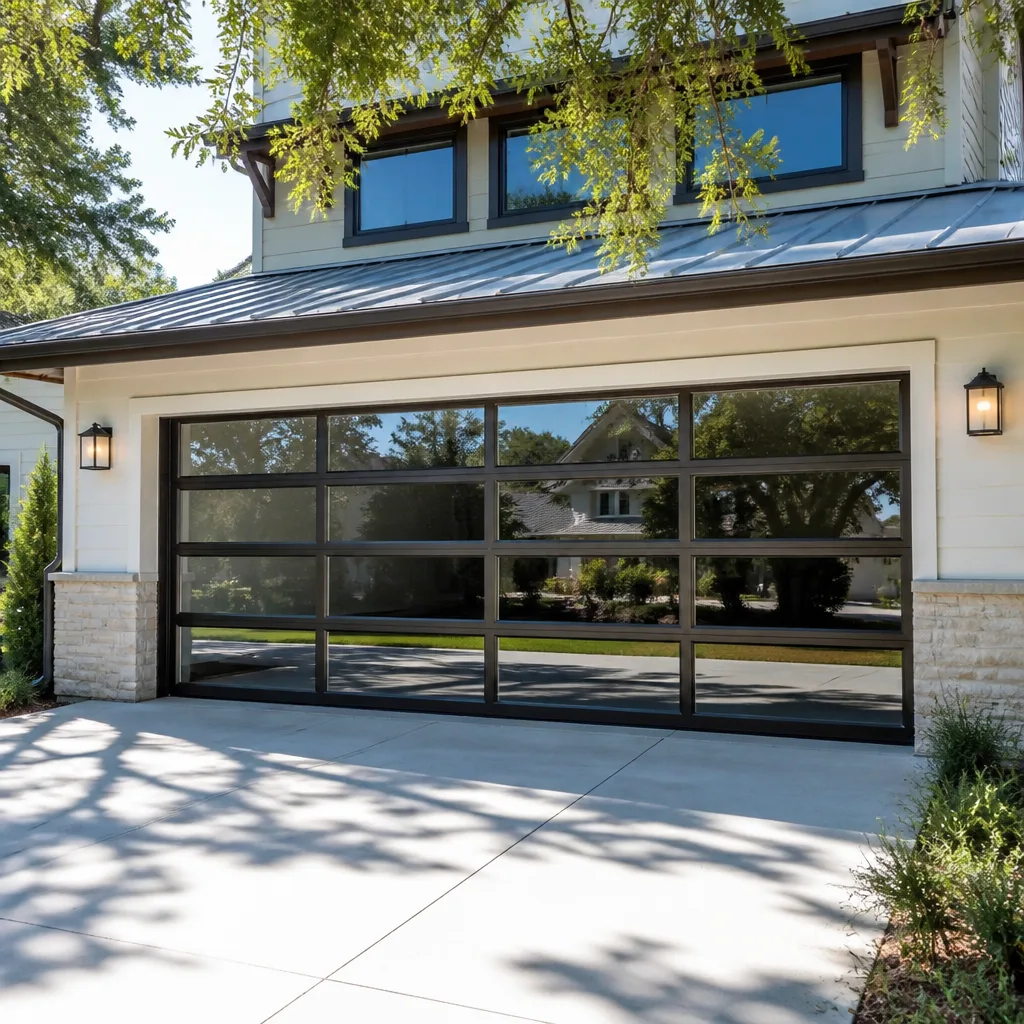 Full-view glass
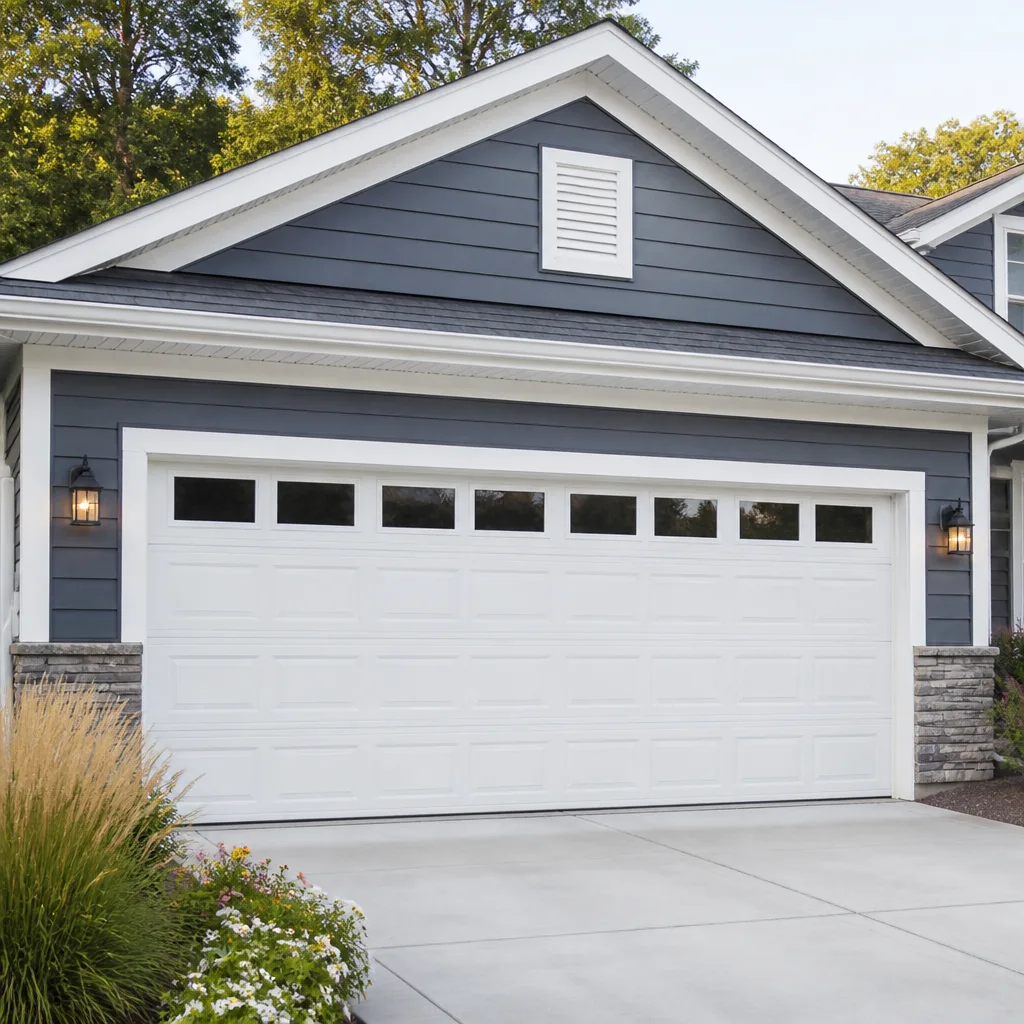 LiftMaster openers
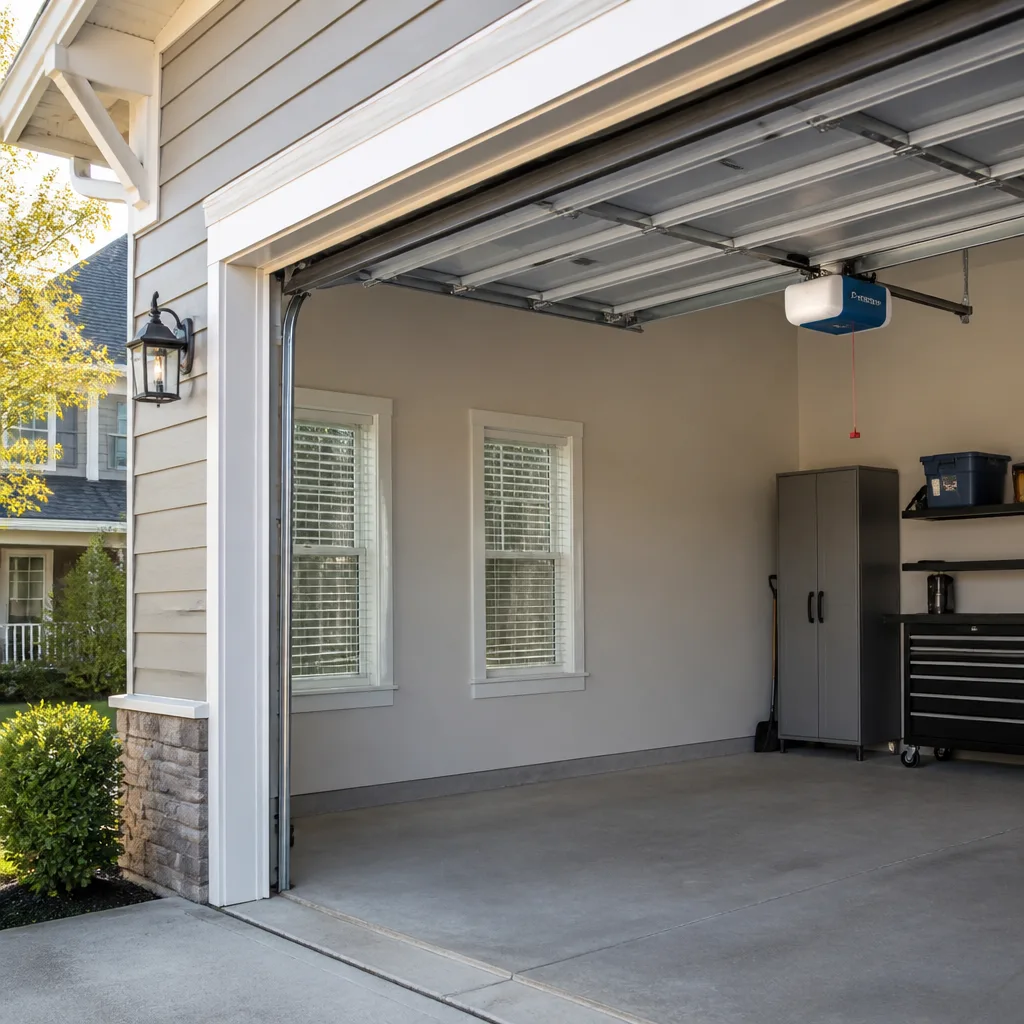 Chamberlain openers
Full 25-point door and opener safety check with every visit - springs, cables, rollers, tracks, and your LiftMaster or Chamberlain opener included
You get a price before we start. It does not change when the pro arrives.
Get your free estimateGarage Door Permits, Codes & Inspections in McLean, VA: What You Need to Know
A garage door replacement can quietly trigger a building permit requirement in Fairfax County the moment it involves structural changes – and contractors who skip that step aren’t saving you time, they’re transferring the liability to you if something goes wrong during a future home sale inspection. Most McLean homeowners assume a garage door swap is permit-free, and for a like-for-like panel replacement it usually is. But change the opening size, add a new operator to a commercial-rated door, or modify the structural header, and Fairfax County’s residential code pulls you into a review process most contractors never mention. This guide walks you through the exact thresholds, how McLean’s HOA architectural review fits in, and what inspectors actually look for.
Quick Answer
In Fairfax County, a straight like-for-like garage door replacement – same size, same opening, same operator type – generally doesn’t require a building permit. A permit is typically triggered when you enlarge or alter the structural opening, replace or modify the header, change the door from a standard residential door to a commercial-rated one, or install an operator on a door that didn’t previously have one in a commercial application. HOA architectural review in McLean is a separate approval layer that runs on top of county code and can be stricter. When in doubt, call Fairfax County’s building department directly before work begins.
Styles & brands we work with
- Raised-panel steel
- Carriage house
- Modern flush
- Full-view glass
- LiftMaster openers
- Chamberlain openers
Table of Contents
- What Triggers a Garage Door Permit in Fairfax County?
- What “Like-for-Like Replacement” Legally Means
- How McLean HOA Architectural Review Interacts With County Code
- UL 325 Safety Standards and When Inspectors Check for Them
- How Unpermitted Work Shows Up During a McLean Home Sale
- What to Expect During the Inspection Process
- What It Costs to Remediate Unpermitted Garage Door Work
- Documentation to Keep on File
What Triggers a Garage Door Permit in Fairfax County?
Fairfax County’s residential code focuses on structural change, not cosmetic replacement. The county is concerned with whether the work alters the load path of the building, changes the size of the opening, or introduces a new mechanical system. That distinction is the whole game. A homeowner replacing a worn Clopay door with a new Clopay door in the same opening is doing cosmetic and mechanical work. A homeowner widening the opening to fit a wider door is doing structural work.
Here’s how the thresholds usually break down in our experience working on McLean homes:
- Construction permit typically not required: Replacing a door with the same size, same track configuration, and same operator type. Swapping a worn torsion spring for a matching pair. Replacing a LiftMaster opener with a Chamberlain unit of the same rail type. Repainting or refinishing a door.
- Construction permit typically required: Enlarging or reducing the width or height of the opening. Replacing or modifying the structural header above the door. Converting a manual door to an automatic one where the header must be reinforced for a jackshaft operator. Replacing a standard residential door with a commercial-rated door. Adding a second door bay where a wall previously stood.
- Electrical permit typically required: Installing a new dedicated circuit for an opener where one doesn’t already exist. This is common in older McLean garages that were wired for a manual door.
- Separate trade permits: If your project also touches framing or exterior siding beyond the door frame, those trades pull their own permits.
These thresholds reflect the general structure of Fairfax County’s residential code, but code language gets updated and individual reviewers sometimes interpret edge cases differently. Before any work that alters the opening, call the county’s building department with the specific scope. It’s a two-minute conversation that protects you for years.
What “Like-for-Like Replacement” Legally Means
“Like-for-like” is the phrase that lets most garage door replacements stay permit-free in McLean, and it’s also the phrase most often stretched past what it actually means. In plain terms, like-for-like means the new door occupies the same opening dimensions, mounts to the same framing, carries the same structural rating, and connects to the same type of operator as the door it replaces. Nothing about the load path of the house changes. If you can describe the change as “same door, newer,” you’re probably in like-for-like territory.
What moves you out of like-for-like:
- Size change. Even a one-inch change in width or height moves you out of like-for-like, because the tracks, the header brackets, and the drum/shaft geometry all shift with it.
- Header modification. If the installer needs to cut, shim, sister, or replace any part of the structural header to make the new door fit, you’re now in structural work.
- Operator type change. Going from a manual door to a jackshaft automatic operator on a door that wasn’t designed for one often requires reinforcing the mounting point, which is structural.
- Commercial-rated swap. Installing a commercial-rated door where a residential door stood is a mechanical and sometimes structural change, even if the opening size matches.
Documentation that proves like-for-like: a photo of the old door’s label with model number, a photo of the new door’s label, a written statement from the installer naming both models and confirming identical dimensions, and a photo of the opening before and after. Keep those together. If you ever sell the home in McLean, that folder is worth more than you think.
When the job is a straightforward replacement and nothing else, our garage door repair team documents the swap for exactly this reason. If the door turns out to be structurally beyond saving, we can move to installation on the same visit without handing you off.
How McLean HOA Architectural Review Interacts With County Code
McLean is full of established communities with active architectural review committees, and in many of them the HOA approval is stricter than the county code. Langley Farms, Chesterbrook, and similar neighborhoods in the McLean area frequently require homeowners to submit an architectural change application before any exterior alteration visible from the street. That includes the color of the door, the panel style, the window inserts, and sometimes the brand. A county building permit does not substitute for HOA approval, and HOA approval does not substitute for a county permit. Both run in parallel.
Where the conflict happens: sometimes a McLean HOA’s design guidelines specify a door style that isn’t readily available in the width of your existing opening, and you find yourself facing a choice between a custom-size door (which triggers a permit because the opening changes) and an HOA-approved style in the standard width (which doesn’t). Or the HOA wants a carriage-house style that ships with a specific operator mounting configuration your county permit drawing doesn’t reflect.
The sequence that works in our experience:
- Request the HOA’s current architectural guidelines and approval form before choosing a door.
- Get an HOA approval in writing before ordering the door.
- Determine whether the scope is like-for-like or structural, and pull county permits accordingly.
- Schedule the install after both approvals are in hand.
Most HOA review committees take weeks, not days. Build that into the timeline. A door that arrives before HOA approval sits in the garage, and if the approval comes back with a change, you may be re-ordering.
UL 325 Safety Standards and When Inspectors Check for Them
UL 325 is the safety standard that governs automatic garage door operators, and it’s the standard inspectors actually cite when they look at a garage door installation. It covers entrapment protection, the reversing function of the operator when it meets an obstruction, the photo-eye sensors that sit near the floor of the opening, and the requirements for the operator to be installed with the protection devices the manufacturer specifies. In Virginia, as in most states, UL 325 compliance is a baseline expectation for any automatic garage door operator, and a county inspector reviewing a permitted installation will look for it.
The specific things inspectors check in our experience:
- Photo-eye sensors mounted within the specified height range on both sides of the opening, wired, and functional. If the sensors are blocked, the door must not close.
- The reversing test. The inspector will place a test object in the door’s path and confirm the door reverses on contact. This is a straightforward pass or fail.
- The operator’s listing. The operator should be listed to UL 325 and installed per its manufacturer instructions. Inspectors sometimes ask to see the installation manual or the label on the operator housing.
- Force settings. The operator’s open and close force limits must be set within manufacturer ranges, which on most units (Chamberlain, Genie, and LiftMaster among them) is done through the operator’s travel and force adjustment dials or menu.
- Wall control placement. The wall-mounted control must be placed so it’s out of reach of small children, and the entrapment warnings must be visible.
If your installation requires a permit and inspection, the inspector will usually run through these checks in a few minutes. If you’re doing a like-for-like operator swap on an existing circuit with no permit, no inspector will visit, but UL 325 still applies – the operator you install must meet it, and the sensors must work. That’s a safety standard regardless of permit status. When we handle garage door opener repair, bringing the unit back into UL 325 compliance is part of the job.
How Unpermitted Work Shows Up During a McLean Home Sale
In McLean’s competitive real estate market, buyers are careful and inspectors are thorough. Unpermitted structural work on a garage – and a widened opening or a replaced header counts as structural – surfaces during the buyer’s inspection or during the title/appraisal stage. The typical pattern: a buyer’s inspector notes the garage door opening doesn’t match what the county has on record, requests documentation, and the seller cannot produce it. That doesn’t automatically kill a sale, but it does open a negotiation in which the seller is on the defensive.
The remediation options depend on how far the work has drifted from code:
- Retroactive permit. The homeowner or buyer pulls an after-the-fact permit and has the work inspected. If the work is code-compliant, this closes the issue, though the county may assess fees for work done without a permit – the exact fee depends on the county’s current schedule.
- Correction and re-inspection. If the work isn’t compliant, it needs to be corrected first, then inspected.
- Disclosure and price adjustment. Sellers sometimes choose to disclose the unpermitted work and negotiate a price reduction rather than go through remediation. In McLean, where buyers often have their own inspectors and sometimes their own contractors review, that reduction can be substantial relative to the cost of having done it right the first time.
The specific dollar exposure depends on the scope, the county’s fee schedule at the time, and how the buyer’s inspector characterizes the issue. But the pattern is consistent: a permit that would have cost a few hundred dollars up front can become a several-thousand-dollar negotiation lever during a sale.
What to Expect During the Inspection Process
If your garage door project required a permit, the inspection itself is usually straightforward. The county inspector visits the address, looks at the work, and either approves or notes corrections. Most garage door-related inspections happen at a single visit near the end of the project, though some scopes require a rough-in inspection before the door goes up. Here’s how the sequence typically runs in our experience:
- Permit application. You or your contractor submits the application with a scope drawing, dimensions, door and operator model numbers, and a description of any structural alterations.
- Plan review. The county reviews the application, sometimes asks for clarifications, and issues the permit. Turnaround depends on the county’s current workload.
- Rough-in inspection (if the scope requires it). Framing, header modifications, and any new electrical rough-in are inspected before the door and operator go up.
- Final inspection. The inspector checks the door installation, the operator, UL 325 compliance, and any electrical work.
- Approval and closeout. Once approved, the permit is closed and the work is on record.
The most common causes of a failed final inspection we see: sensors mounted too high or out of alignment, force settings out of range, missing entrapment warnings, and header hardware not matching the approved drawings. None of these are hard to fix. All of them add a return visit and delay closing the permit.
What It Costs to Remediate Unpermitted Garage Door Work
There’s no single number for remediation because the work varies so much. What we can lay out honestly is the shape of the costs. Retroactive permit fees come from the county. Correction work, if the installation isn’t compliant, comes from whoever does the fix. Re-inspection costs depend on how many visits it takes. And during a home sale, the negotiation cost – what a buyer will ask you to knock off the price – is often the largest number of all, and it’s harder to control.
Where the remediation is minimal (the work is fine, the permit was simply never pulled), the process is mostly paperwork and a county fee. Where the door needs to come down or the opening needs to be reframed, the correction cost is real but not exotic. If the work is a structural alteration that has compromised the header, remediation can be more involved. We’ve seen McLean homes where an unpermitted opening enlargement left the header under-built, and the fix required framing work before the door could be re-installed.
The takeaway: if you’re considering a garage door project that changes anything structural about the opening, get the permit up front. It’s cheaper, faster, and it doesn’t come back to haunt you during a sale. Our McLean Garage Door Repair Pros team can tell you during a free estimate whether your specific scope is likely to require one.
Documentation to Keep on File
Whether or not a permit was required, keep a documentation file on your garage door work. If you sell the home, that folder ends most questions before they start. What we recommend keeping:
- Photos of the old door and operator labels, showing model numbers and dimensions.
- Photos of the new door and operator labels.
- The written estimate and final invoice from the installer, naming the door and operator models.
- The operator’s owner’s manual and any warranty registration.
- If a permit was pulled, the permit number, the inspection approval, and the closeout documentation.
- If HOA review was required, the signed approval letter.
- A brief written statement from the installer confirming the door and operator are a like-for-like replacement, if that’s what they are.
Ten minutes of filing saves a week of scrambling later. In our experience, the homeowners who have this file are the ones who get through a McLean sale with no garage-related negotiation at all.
Common Mistakes to Avoid
- Assuming a garage door swap is always permit-free. Like-for-like replacement usually is. Widening an opening or replacing a header is not, and homeowners often don’t know where the line sits until an inspector tells them.
- Skipping HOA approval because “it’s just a door.” McLean HOAs treat the garage door as a visible front elevation element. Most require architectural review for any color, panel, or style change, and some require it even for exact replacements.
- Ordering the door before HOA approval lands. If the HOA approves a different style than what you ordered, you’re re-ordering on your dime. Wait for the approval in writing.
- Not documenting the size and model of the door you removed. This is the single easiest piece of evidence to lose, and the one that most cleanly proves like-for-like. Photograph the label before it goes in the truck.
- Installing a new operator without checking the sensors. UL 325 requires working photo-eyes, and a surprising number of DIY operator swaps leave the sensors misaligned or the force setting out of range. That fails inspection and it fails the safety test.
- Treating the county permit as the whole approval chain. In McLean, the county permit and the HOA approval are separate tracks. Doing one doesn’t satisfy the other.
- Leaving the permit open when the work is done. An open permit shows up on title records. If a permit was pulled, make sure the final inspection is approved and the permit is closed before the file goes into the drawer.
See the difference
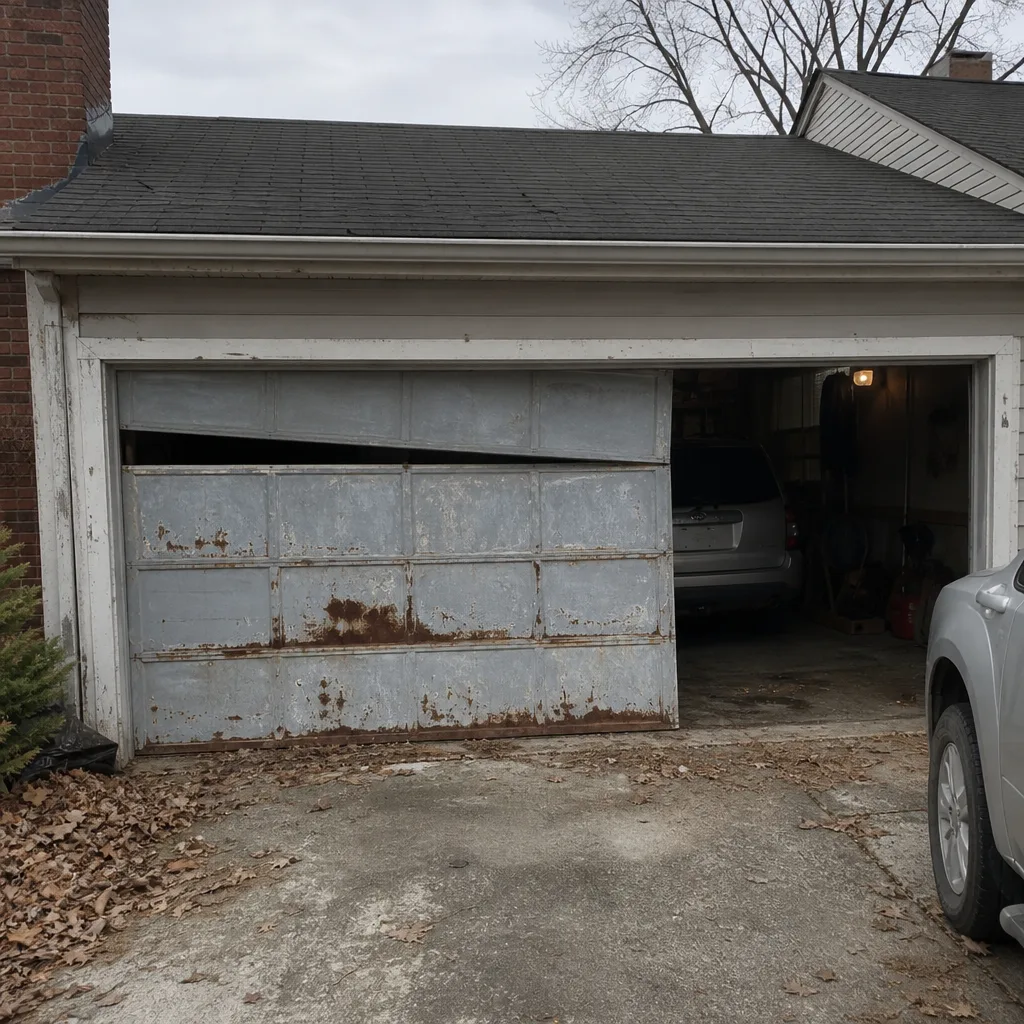 Before
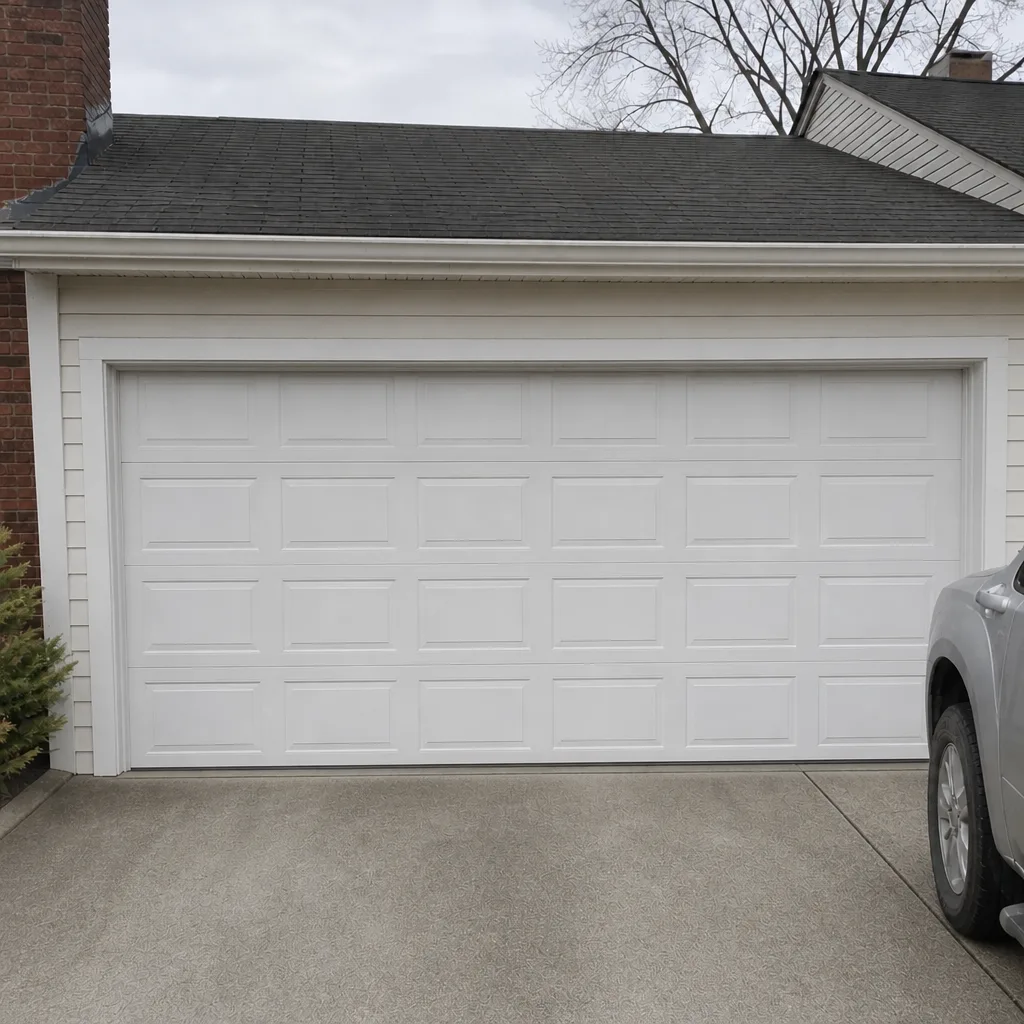 After
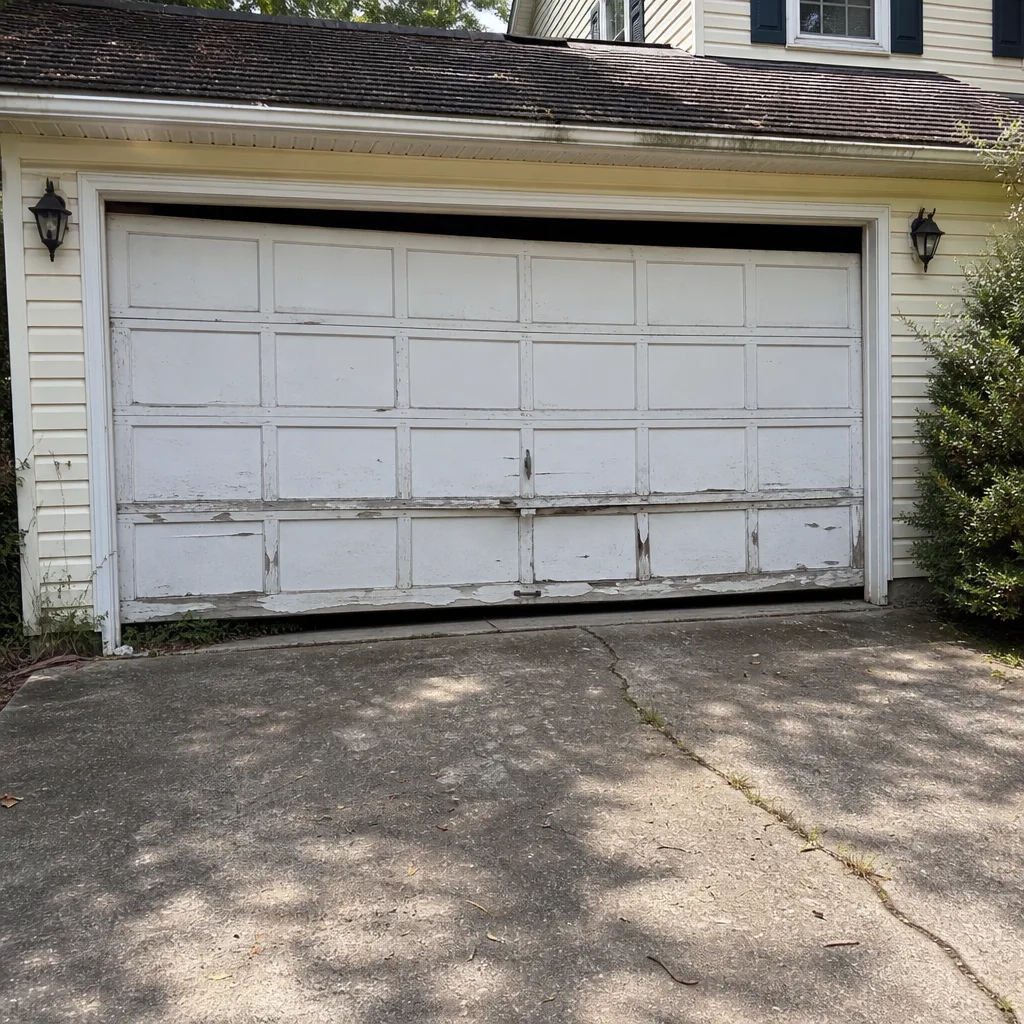 Before
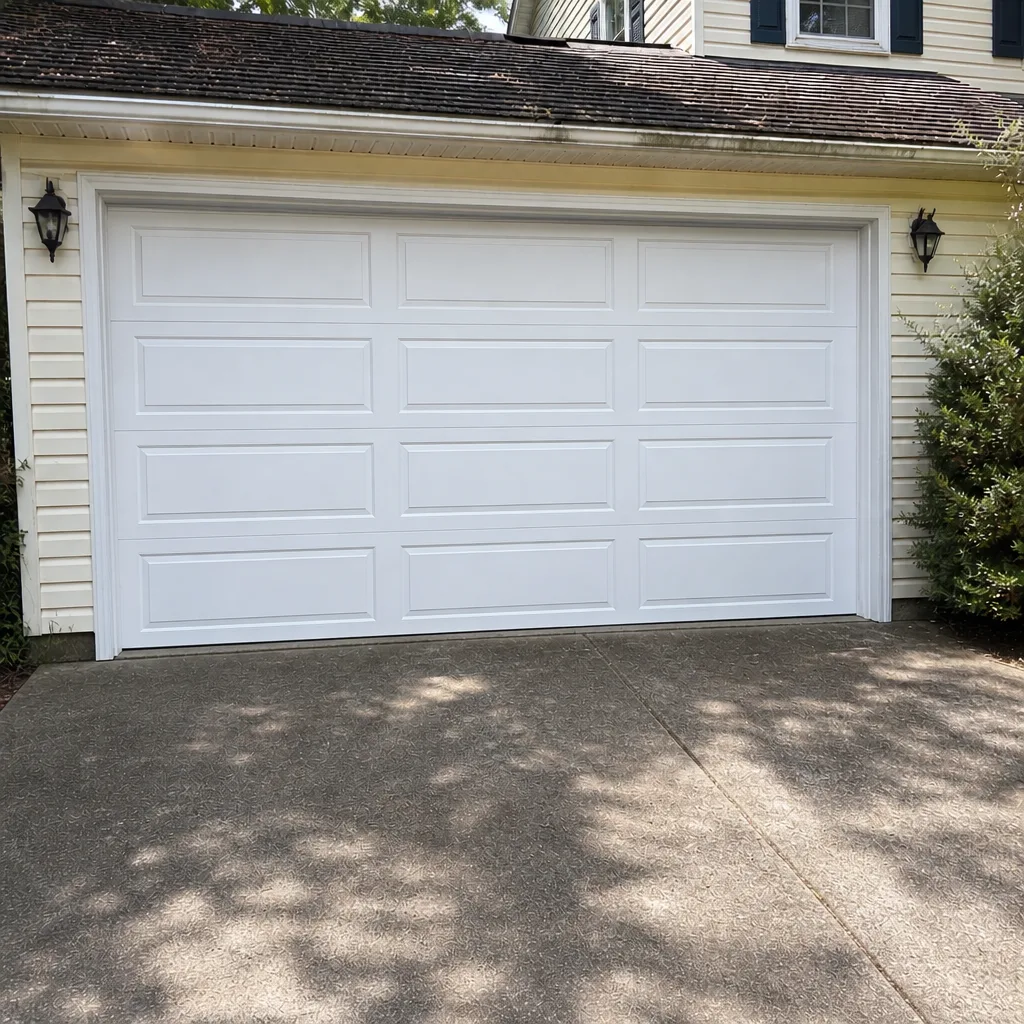 After
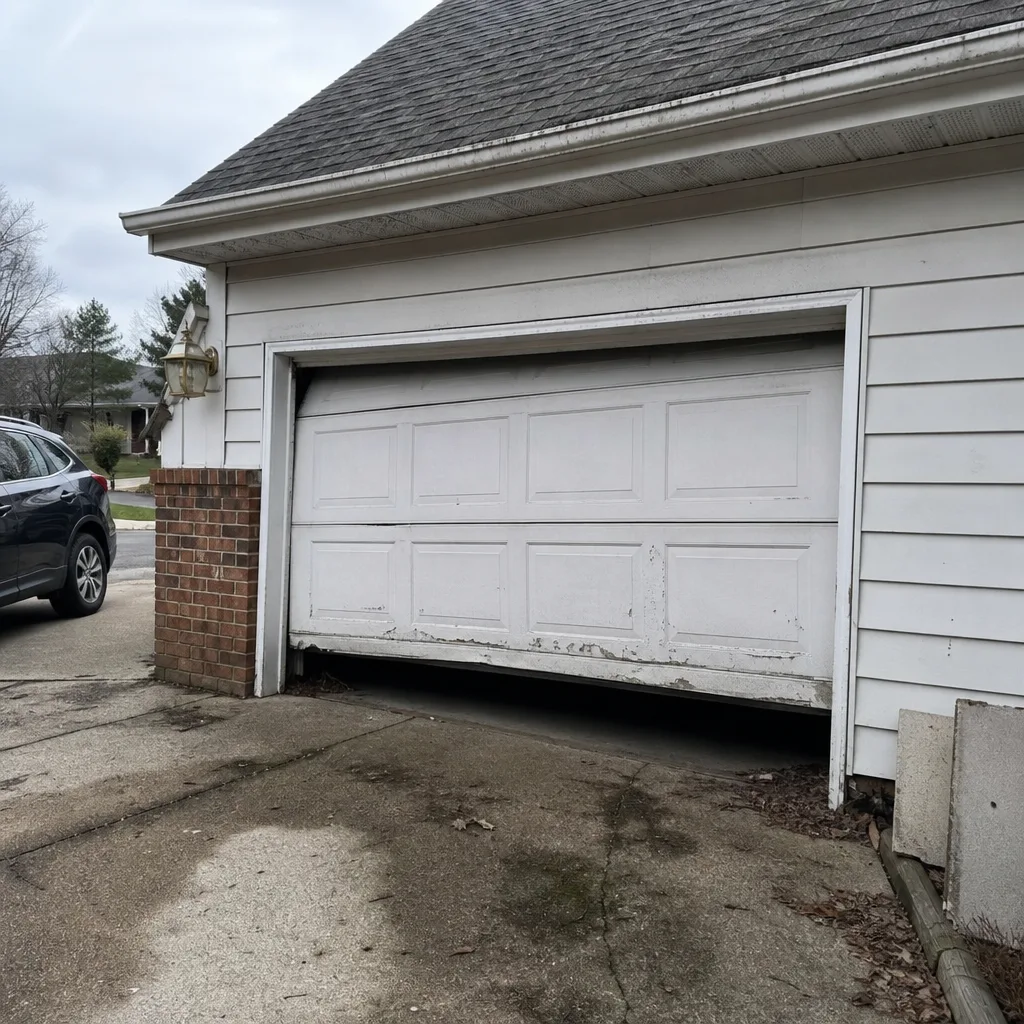 Before
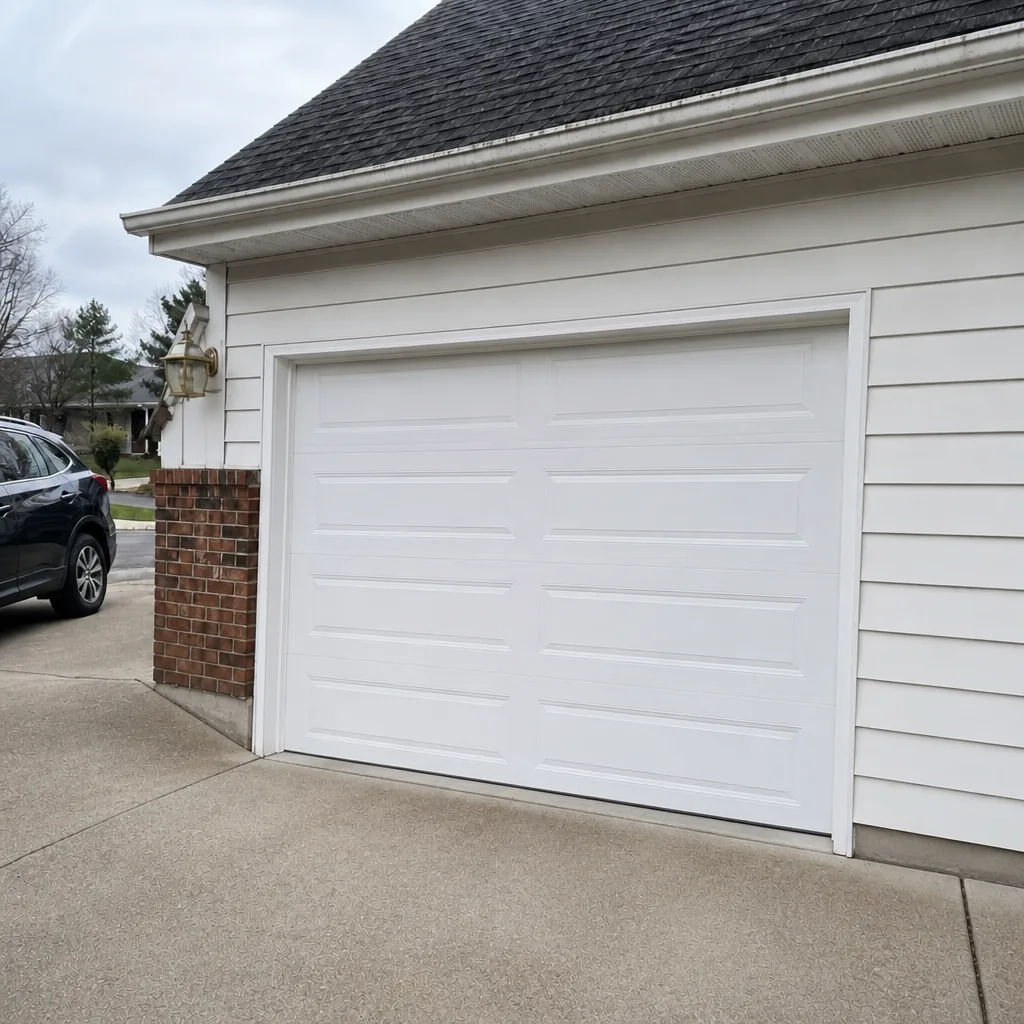 After
When to Call a Professional
Any time the scope of a garage door project might alter the opening, the header, or the operator mounting, it’s worth getting a professional read before a permit question starts. Spring work is in its own category entirely – a broken torsion spring is a serious injury risk if you try to manage it yourself, and no homeowner should be working on a wound torsion spring with hand tools. Same for anything that involves moving the header or reframing. Our technicians have up to 12 years of experience and we work on the brand that’s already in your garage – LiftMaster, Chamberlain, Genie, Clopay, Amarr, Wayne Dalton, Craftsman, and Raynor – so the diagnosis matches the actual system.
If you’re trying to figure out whether your project crosses into permit territory, we’ll tell you honestly. McLean Garage Door Repair Pros offers free estimates in McLean – call (844) 493-7480. We answer 24/7. Fast dispatch from 7am to 7pm, Sunday through Friday.
Frequently Asked Questions
Usually not, if the replacement is truly like-for-like – same size, same opening, same operator type, no structural change. A Fairfax County building permit is typically triggered when the work alters the opening size, replaces or modifies the header, changes the door to a commercial-rated model, or installs a new dedicated electrical circuit for an operator. When the scope is ambiguous, call Fairfax County’s building department with the specific details before work starts. Call (844) 493-7480 for a free estimate – we’ll tell you what we see in your specific garage.
Like-for-like means the new door fits the same opening dimensions, mounts to the same framing, carries the same structural rating, and connects to the same operator type as the door it replaces. The load path of the house doesn’t change. A one-inch shift in width moves you out of like-for-like. So does any shimming or sistering of the header. Document the old door’s model number and dimensions before removal – that photo is your proof. If you’re unsure about your specific case, a free estimate at (844) 493-7480 is the fastest way to get an honest answer.
In many McLean communities, yes. Langley Farms, Chesterbrook, and similar neighborhoods with active architectural review committees typically require written approval before any visible change to the garage door, including like-for-like replacements where the color or style is identical. HOA approval is separate from the county permit – completing one doesn’t satisfy the other. Get the HOA approval in writing before ordering a door. Call (844) 493-7480 if you want us to look at the scope and confirm what the county side will likely require.
UL 325 is the safety standard governing automatic garage door operators, covering entrapment protection, reversing function, photo-eye sensors, and force limits. A Fairfax County inspector reviewing a permitted installation will typically check photo-eye placement and function, run a reversing test, and confirm the operator is installed per its manufacturer instructions. If you’ve swapped an operator on a like-for-like basis with no permit, no inspector will visit, but UL 325 still applies – your sensors must be functional and the force must be set in range. Call (844) 493-7480 if you want us to check an existing operator’s compliance.
Yes. A buyer’s inspector or the title review can flag an opening that doesn’t match county records, and if you can’t produce a permit or documentation, it becomes a negotiation lever. In McLean’s competitive market, that often shows up as a price reduction request larger than the cost of the permit itself. Remediation options include a retroactive permit if the work is compliant, correction and re-inspection if it isn’t, or disclosure and negotiation. Call (844) 493-7480 for a free estimate to review what you have.
Most garage door inspections happen in a single visit near the end of the project. The inspector reviews the installation, checks the operator and UL 325 compliance, tests the reversing function, and confirms any electrical work matches the approved application. If the scope required a rough-in inspection for framing or electrical, that happens before the door goes up. The most common failures we see are misaligned or too-high sensors, force settings out of range, and header hardware that doesn’t match the drawings. Call (844) 493-7480 to schedule a free estimate before you apply.
The Bottom Line
Most garage door replacements in McLean are permit-free – a straight like-for-like swap usually needs no county review. The moment you change the opening size, modify the header, swap to a commercial-rated door, or install an operator where one didn’t exist, Fairfax County’s residential code pulls you into a construction permit and inspection. HOA architectural review in neighborhoods like Langley Farms and Chesterbrook runs on a parallel track and is sometimes stricter than the county. UL 325 is the safety standard inspectors check, and it applies whether or not you’re permitting. Keep your documentation in one place; it’s the file that carries you through a future home sale without a negotiation. If you’re unsure of your scope, get a professional read before you order or install.
Contact Us
Not sure whether your garage door project crosses into permit territory? Call McLean Garage Door Repair Pros at (844) 493-7480 for a free estimate. We answer 24/7. Fast dispatch from 7am to 7pm, Sunday through Friday. Our technicians have up to 12 years of experience and work on the brand that’s already in your garage – LiftMaster, Chamberlain, Genie, Clopay, Amarr, Wayne Dalton, Craftsman, and Raynor. Garage doors only. The written estimate sets the price, and it’s agreed before any work starts. If a spring has already failed, see our garage door spring repair page for what’s involved – spring failures don’t wait, and neither do we.
Written by the team at McLean Garage Door Repair Pros.