
Last updated November 23, 2026
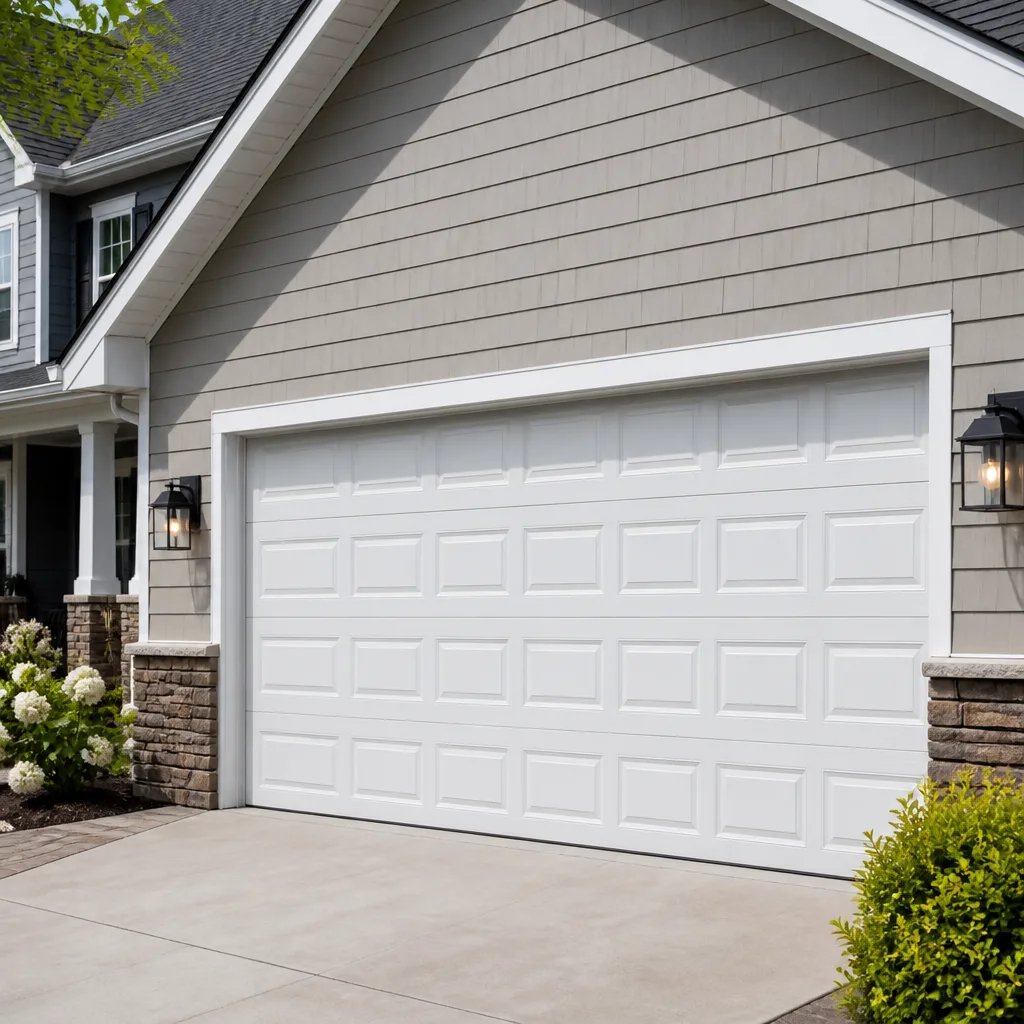 Raised-panel steel
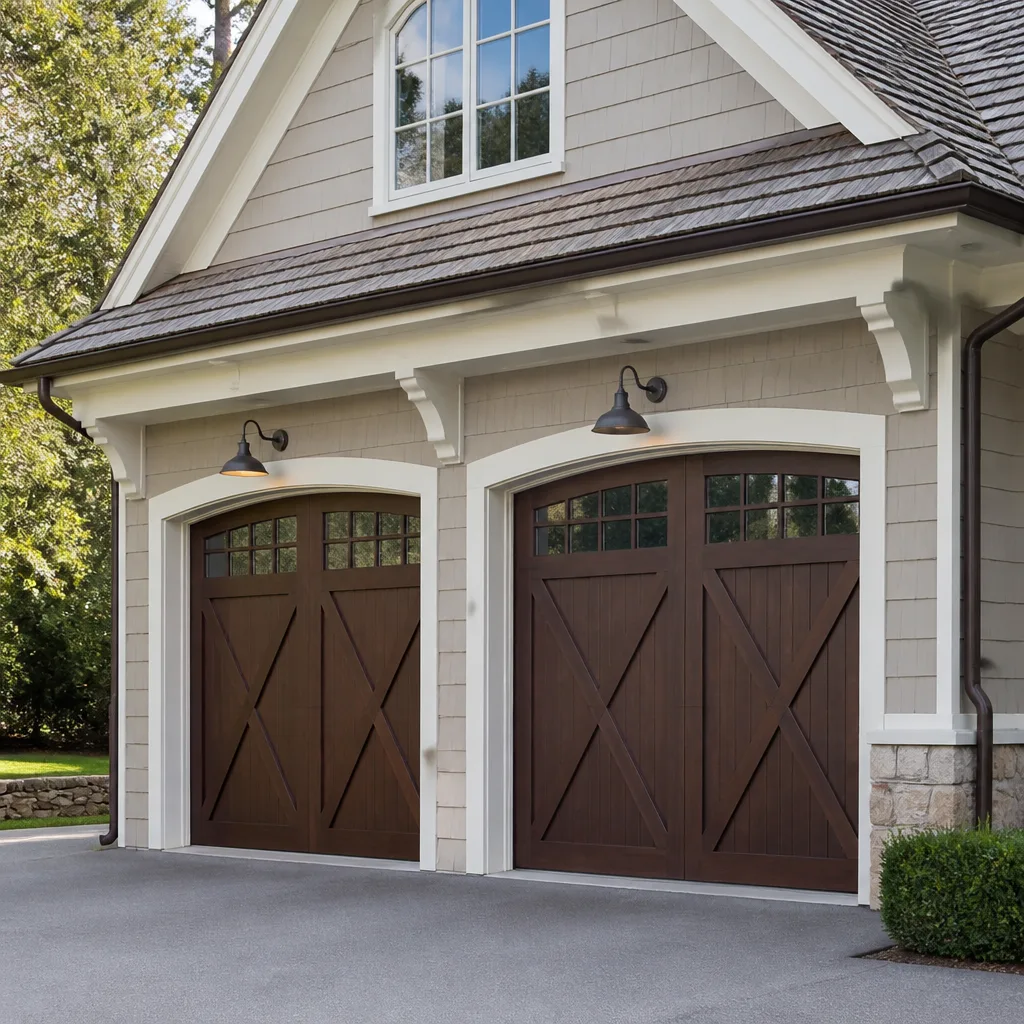 Carriage house
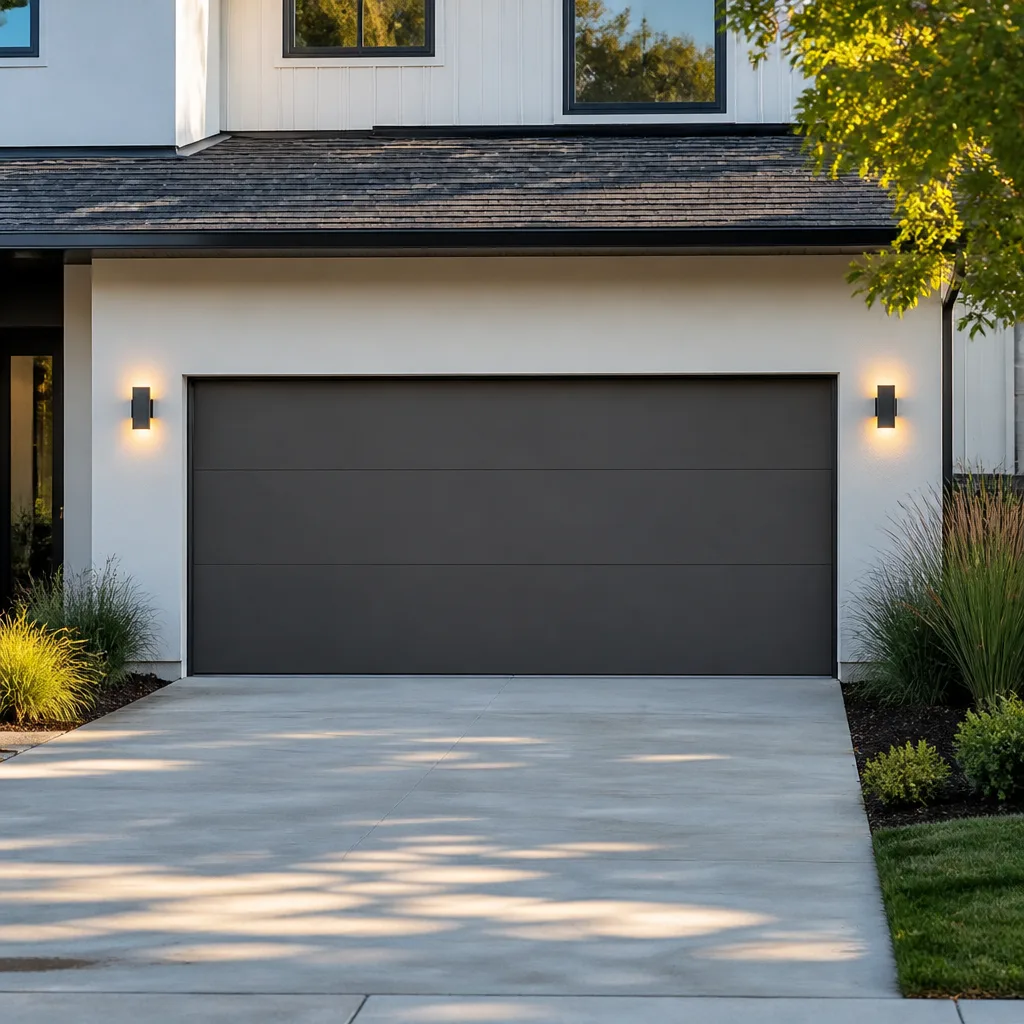 Modern flush
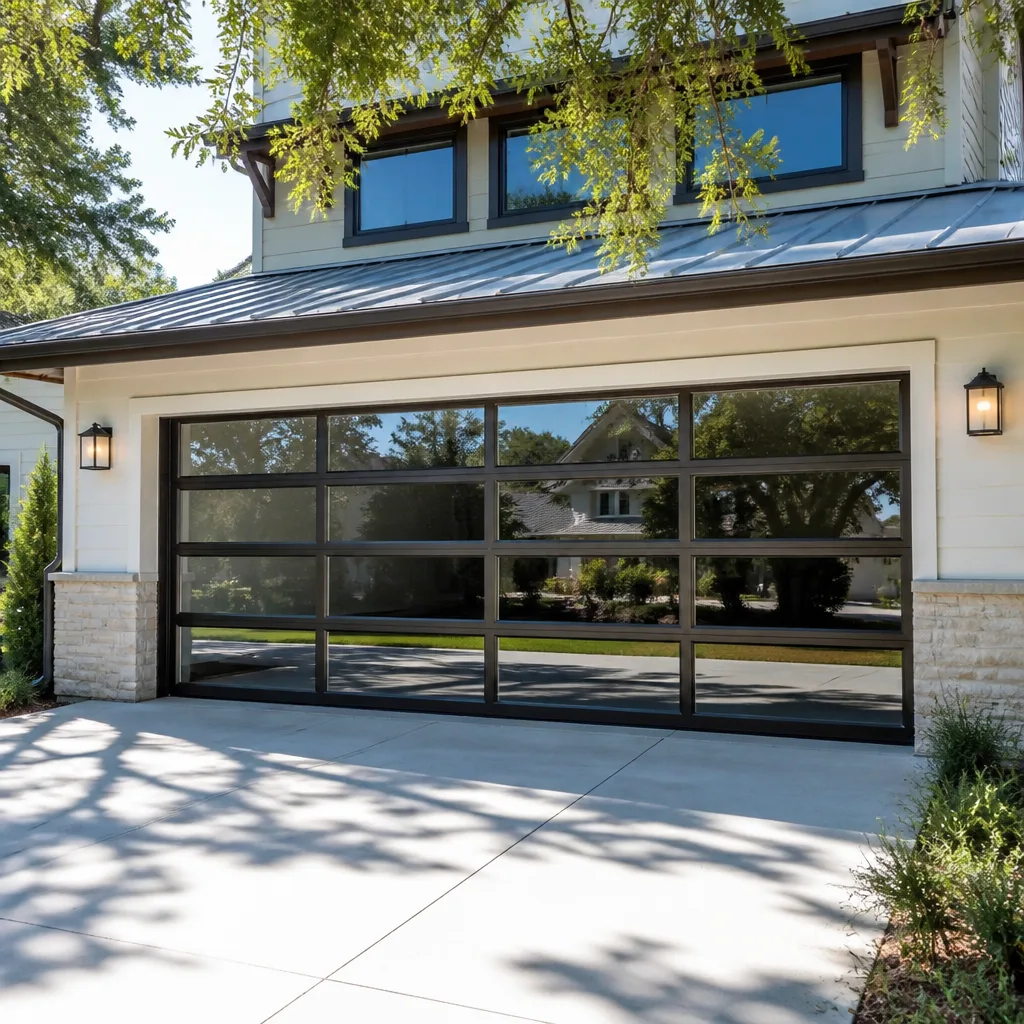 Full-view glass
 LiftMaster openers
 Chamberlain openers
Full 25-point door and opener safety check with every visit - springs, cables, rollers, tracks, and your LiftMaster or Chamberlain opener included
You get a price before we start. It does not change when the pro arrives.
Get your free estimateGarage Door Repair Maintenance Schedule: What to Do and When
Most garage door maintenance advice fails because it gets the timing wrong, not because homeowners ignore their doors entirely. The single most common mistake we see isn’t a skipped schedule. It’s over-lubricating the tracks, which attracts dust and grit, gums up the rollers, and creates the exact binding problem you were trying to prevent. Springs get ignored because they look fine right up until they snap. And the auto-reverse safety test gets skipped until the day a door fails to stop on a car, a bike, or a child. This guide lays out a realistic task-by-interval schedule tuned to how doors actually wear in McLean, explains which lubricant belongs on which part, and shows you how to keep a maintenance log that makes repairs and warranty claims faster when something finally fails.
Quick Answer
The core garage door maintenance schedule is: check the balance and listen for new noises monthly, lubricate moving parts quarterly, inspect and test the auto-reverse every six months, and have springs, cables, and hardware inspected annually by a trained technician. Clean and lubricate the tracks lightly, keep them clear of debris, and never grease the tracks themselves. When a spring, cable, or opener fails, stop and call a professional.
Styles & brands we work with
- Raised-panel steel
- Carriage house
- Modern flush
- Full-view glass
- LiftMaster openers
- Chamberlain openers
Table of Contents
- Why Garage Door Maintenance Schedules Fail
- Monthly: The Five-Minute Check
- Quarterly: Lubrication Done Right
- Biannual: The Auto-Reverse Load Test
- Annual: Professional Inspection
- How McLean’s Freeze-Thaw Cycle Changes the Schedule
- The Right Lubricant for Each Component
- Building a Maintenance Log That Pays Off
Why Garage Door Maintenance Schedules Fail
The typical homeowner’s maintenance routine is a strange hybrid: a burst of activity after something breaks, then a long stretch of nothing. That pattern doesn’t reflect how garage doors wear. A door is the largest moving object in most houses, cycling several times a day through thousands of cycles a year. Its parts don’t all wear at the same rate, so the calendar matters as much as the task list.
The failure is usually one of three kinds. Over-lubrication is the quiet one: excess grease on the tracks collects grit, the rollers drag, and the opener works harder than it should. Under-inspection is the dangerous one: a torsion spring with a hairline fissure looks identical to a healthy spring until the moment it lets go, and that release is loud enough to startle anyone in the house. And skipped load testing is the one that matters most for safety: the auto-reverse feature is designed to protect people and property, and it fails silently unless you test it.
Here in McLean, the schedule has to account for something warmer climates don’t see: a hard freeze-thaw cycle every late winter that flexes door components in ways that accelerate wear on seals, hinges, and spring hardware. A schedule built for a mild climate will leave your door under-serviced by the time spring arrives. This guide corrects for that.
What follows is a practical, interval-based schedule you can actually stick to, written by people who work on garage doors every day. If you ever get stuck, McLean Garage Door Repair Pros is a phone call away.
Monthly: The Five-Minute Check
The monthly task takes five minutes and prevents the most expensive surprises. You’re not repairing anything. You’re listening, looking, and noticing change. Small changes caught early cost far less than a broken spring or a stripped opener gear.
Do these checks once a month, ideally at the same time so it becomes habit:
- Listen to the door. A healthy door cycles with a steady, even hum. Grinding, squealing, popping, or a rattle that wasn’t there last month all point to a specific issue worth watching.
- Watch the door travel. It should rise and close smoothly and evenly on both sides. If one side lags, jerks, or the door shakes, something is out of balance or a roller is failing.
- Check the balance. Close the door, disconnect the opener (usually a pull cord), and lift the door halfway by hand. It should stay there with minimal effort. If it drops or feels very heavy, springs are losing tension and need a professional look.
- Look at the tracks. Obstructions, dents, or debris along the tracks cause binding. Wipe away visible grit with a dry cloth. Do not grease the tracks.
- Scan for cracks and wear visually. Check the hinges, rollers, and spring hardware for visible signs of wear. Do not disassemble anything. If you spot a crack in a spring or frayed cable, stop using the door and call for garage door repair.
If any of these checks turn up something that worries you, a licensed technician can take a look. Free estimates are standard for garage door repair in McLean, and it’s worth the call before a small issue compounds.
Quarterly: Lubrication Done Right
Lubrication is where most maintenance schedules go wrong. Over-lubricating is worse than under-lubricating, because excess grease collects grit and turns into a grinding paste inside your rollers and hinges. Once per quarter is the right cadence for most homes. If your door cycles more than a dozen times a day, drop back to every two months.
What to lubricate quarterly:
- Rollers. One or two drops of white lithium grease on each roller’s metal stem, not the wheel itself. The goal is to lubricate the bearing surface, not the rolling contact.
- Hinges. A small dab of white lithium grease on each hinge pivot point. Wipe off excess immediately.
- Springs. A light coat of silicone spray on torsion springs reduces friction between coils. Do this with the door closed and the springs under tension. If you’re not comfortable working near springs, leave this to a professional. Spring failure is violent: high-tension springs store serious energy and can cause severe injury.
- Weather seal (bottom). Silicone spray keeps the rubber from drying and cracking, especially before the cold sets in.
What NOT to lubricate, ever:
- Tracks. Never apply grease to the tracks. It attracts grit and turns into the binding problem you’re trying to avoid. Wipe tracks with a dry cloth and leave them dry.
- Opener chain or belt. Belt-drive openers usually run dry. Chain-drive openers may need a very light application of the manufacturer’s recommended lubricant, but check the manual first. Too much oil on a chain collects dirt.
- The door panels or seams. These are not bearing surfaces. Grease here just makes a mess.
If your opener is struggling to move the door despite quarterly lubrication, the opener itself may be the problem. That’s the point to consider garage door opener repair in McLean before the motor burns out.
Biannual: The Auto-Reverse Load Test
The auto-reverse feature is the single most safety-critical part of your garage door, and it’s the one most homeowners never test. That is a serious blind spot. The feature is designed to protect people and property. It fails silently. If you don’t test it, you don’t find out it isn’t working until something goes wrong.
Twice a year, run the load-reversal test exactly as follows. This is a test, not a repair, and no disassembly is involved.
- Place an object in the door’s path. Use a two-inch board, brick, or a roll of paper towels laid flat on the ground at the center of the door opening. Two inches is the standard reference height.
- Close the door using the opener. As the door contacts the object, it should reverse direction and return fully open without hesitation.
- Test the photo-eye sensors. Wave a hand or the object in front of the photo-eye sensors while the door is closing. The door should immediately reverse. If the eyes are misaligned, dirty, or in shadow, this test will fail.
- Test the force setting separately. While the door is closing, apply light resistance by hand (carefully, at the bottom edge). The door should reverse. If it keeps pushing, the safety feature is not calibrated correctly.
What “passing” looks like: the door reverses within about two inches of contact, returns fully open, and does so smoothly. If the door fails any of these, the opener needs adjustment, repair, or the sensors need to be cleaned and realigned. This is not a task to defer. A door that fails the test should not be used until it’s corrected.
Homeowners with Genie and Chamberlain openers, the two dominant motor brands we see in McLean, will find the adjustment screws labeled on the rear panel. Clopay and Amarr door hardware, meanwhile, uses similar mechanics across the board. Adjustment specifics vary by brand and model, so when a door fails the reversal test, calling a specialist who works on the brand in your garage is faster than guessing at the setting.
If the test reveals a spring that’s sagging or an opener that can’t be adjusted properly, getting a trained set of eyes on it saves you from a bigger failure. In McLean, garage door spring repair is a job for a professional with the right tools and technique.
Annual: Professional Inspection
Once a year, have a trained technician inspect the full system: springs, cables, drums, hinges, rollers, the opener, sensors, and the door panels themselves. This is the schedule step that catches what your monthly eye checks cannot see, and it’s the one that prevents the expensive surprise calls we get when something fails at the worst possible moment.
What a professional inspection typically covers:
- Spring tension and condition. Measuring coil gaps, checking for surface cracks, and confirming the spring is still doing its full load-bearing job.
- Cables and hardware. Cables fray over time, especially in cold conditions. An inspection catches this before a cable snaps and drops one side of the door.
- Roller and hinge condition. Identifying which rollers are worn enough to require replacement and whether hinges are developing play.
- Opener motor and drive. Checking the opener’s force settings, belt or chain condition, and whether the motor is laboring.
- Safety sensors and reversal test. A second set of trained eyes on the same test you ran yourself.
- Weather seal and bottom edge. A seal that’s failing lets water and cold air in, and the freeze-thaw cycle accelerates the damage.
The best calendar window for an inspection in McLean is late fall, before the first hard freeze. That sequence gives the technician a chance to catch and address the issues that a cold winter will amplify. Our technicians have up to 12 years of experience with the eight major brands, which means they know exactly what a failing torsion spring, a worn hinge, or a struggling opener looks like on the exact system in your garage rather than a generic average.
How McLean’s Freeze-Thaw Cycle Changes the Schedule
Late winter is the stress test for a garage door in McLean. The freeze-thaw cycle does specific damage that milder climates never produce. Water gets into small gaps, freezes, expands, and then thaws, and the repeating cycle works loose anything that isn’t tight.
Where the damage shows up:
- Bottom seals. The rubber seal at the base of the door is the first thing to harden and crack. Once it cracks, cold air and moisture get underneath, and the damage spreads. Check it monthly in the coldest months, not just quarterly.
- Hinges. Metal hinge pivots contract in the cold, and the grease inside them stiffens. A hinge that was fine in October can develop stiffness and play by February, which adds load to the opener. Quarterly lubrication is your best defense, with an extra check after the coldest weeks.
- Torsion spring coil gaps. The coils of a torsion spring can develop uneven gaps through repeated heating and cooling. A gap that widens is a sign of wear and a warning sign of failure ahead. This is one more reason the annual inspection matters: a trained eye reads those gaps the way a doctor reads a chart.
The practical adjustment for McLean: shift your inspection to late fall, add a quick bottom-seal and hinge check after the first cold snap, and keep silicone spray on hand for the seal. When a door starts misbehaving in February, it’s usually not one part giving up. It’s the accumulated stress of a full freeze-thaw season that finally tipped an already-worn component past its limit.
The Right Lubricant for Each Component
Choosing the correct lubricant is not a matter of preference. Use the wrong product and you accelerate wear, or worse, nothing at all. Here’s the quick reference we use in the field:
- White lithium grease: The workhorse for metal-to-metal moving parts. Rollers (the stems), hinges, and any pivot point. It’s thick enough to stay put and won’t run in warm weather. Apply in small dabs and wipe off excess.
- Silicone spray: The right choice for rubber and plastic surfaces (the bottom seal), and for reducing friction on spring coils. It doesn’t attract grit the way grease does, so it’s safe on exposed surfaces.
- Nothing at all: Tracks, the opener’s belt or chain (unless the manual specifically says otherwise), and door panel surfaces. Leaving these dry is correct. Greasing the tracks is the single most common maintenance error we correct.
The simple rule: grease for metal pivots, silicone for rubber and springs, and dry for the tracks. A can of each, kept in a corner of the garage, covers the whole quarterly routine. If you’re unsure which lubricant fits the specific hardware on a Wayne Dalton door or another system, our team can tell you in a minute over the phone.
Building a Maintenance Log That Pays Off
A simple maintenance log does more for you than any single routine task. When something eventually fails, a log gives the technician a head start, gives a warranty claim the paper trail it needs, and gives you a clear picture of what’s been replaced and when. It takes two minutes to update and takes months off the diagnosis.
What to record each time you service the door:
- Date and odometer (rough cycle count). If you can estimate how many times the door opens and closes a day, a running total tells you what wear stage the system is in.
- Tasks performed. What you lubricated, what you tested, what you cleaned, and what you observed.
- Parts replaced. Brand, model, date, and who did the work. This matters most with the eight brands we work on, because replacement parts are brand-specific.
- Failed safety tests and their resolution. If the reversal test failed and you had it corrected, log exactly what was adjusted.
- Anything a technician noted. “Roller on the left side showing wear” is the line that tells the next technician what to check first.
Keep the log in the garage, on a clipboard or a phone note, near the opener. When a spring finally snaps and the door won’t move, having the whole history in one place lets the technician arrive already knowing the system. That is the difference between a fast, precise repair and a diagnostic appointment that has to start from scratch.
Common Mistakes to Avoid
- Greasing the tracks. The most common maintenance error. Grease attracts grit, the rollers drag, and the tracks bind. Keep tracks clean and dry.
- Lubricating on a monthly schedule. Quarterly is correct for most doors. Monthly grease builds up, hardens, and turns into grinding paste inside hinges and rollers.
- Skipping the auto-reverse test. Running the load test once a year isn’t enough. Twice a year catches the failures before someone relies on a safety feature that isn’t there.
- Trying to adjust torsion springs yourself. A torsion spring under tension can cause serious injury if released improperly. This is a professional repair, not a DIY adjustment.
- Ignoring winter-specific wear. In McLean, the bottom seal and hinges in particular take a beating in late winter. Add the extra check after the first cold snap.
- Deferring the annual inspection. The skip that costs the most in the long run. Catching a worn cable or sagging spring before it fails is far cheaper than repairing after the fact.
- Not keeping records. Missing history turns a five-minute diagnosis into a full troubleshooting session. A simple log pays for itself the first time something needs fixing.
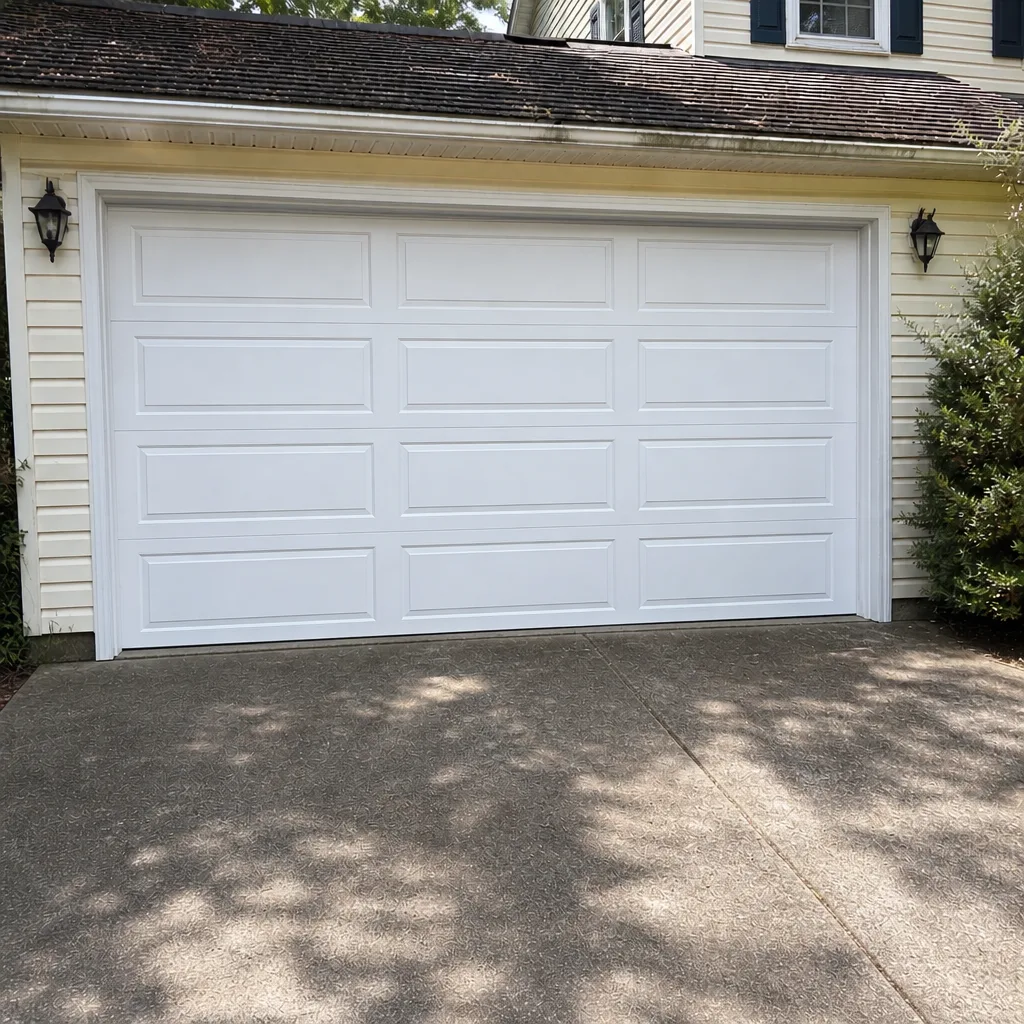
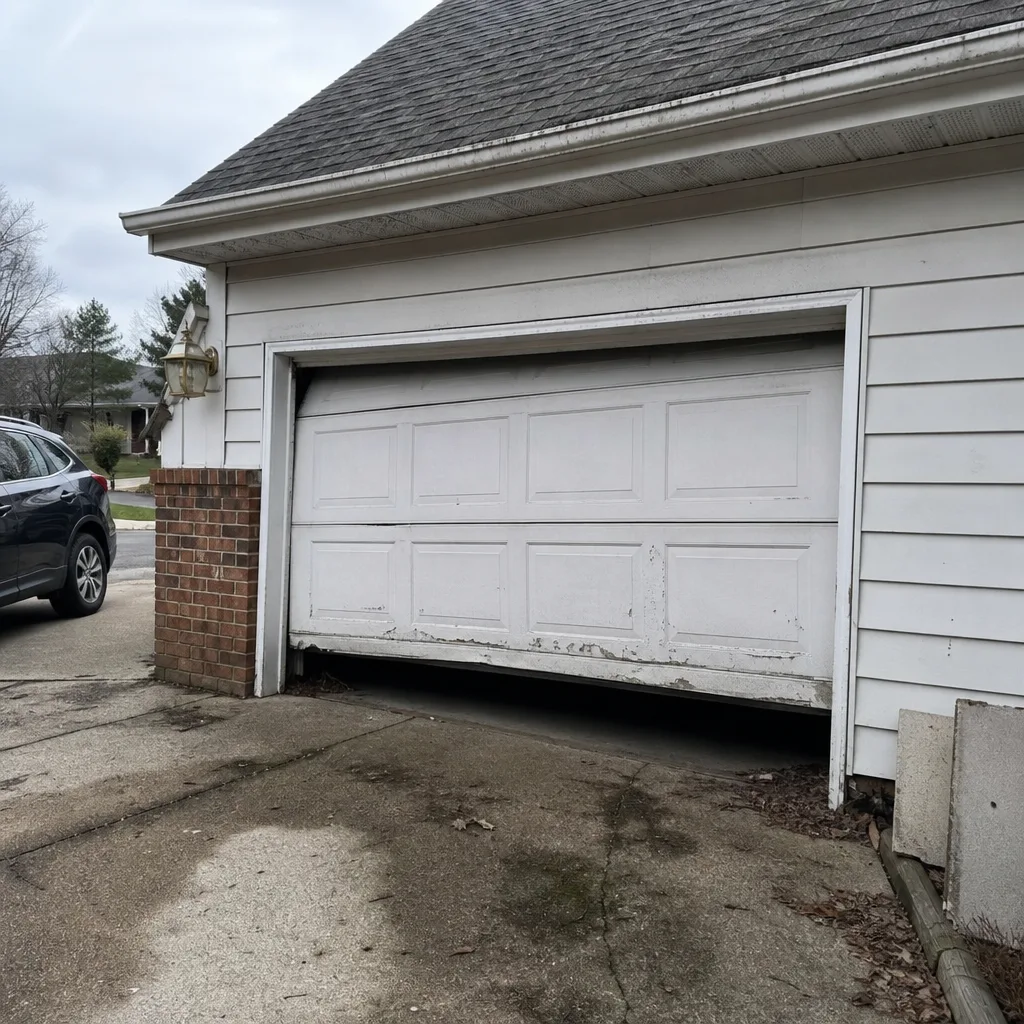
See the difference
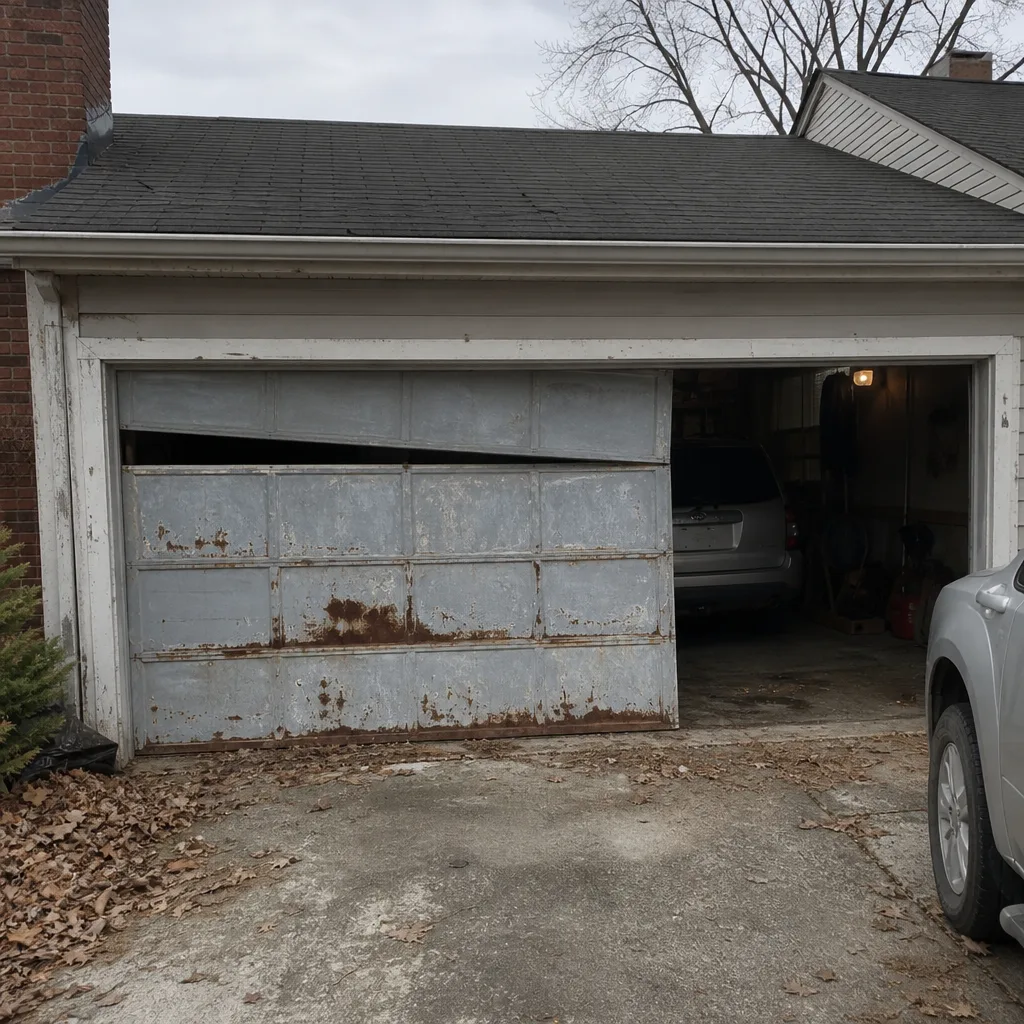 Before
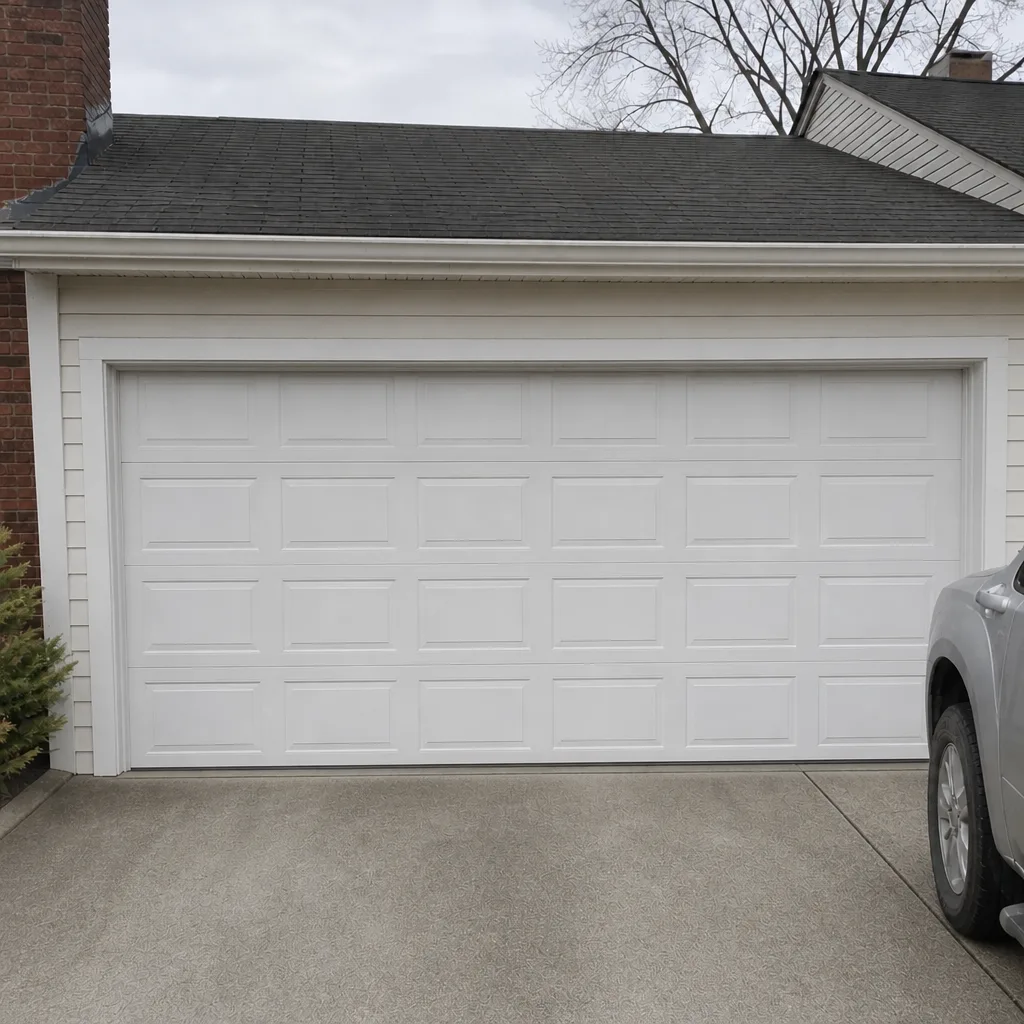 After
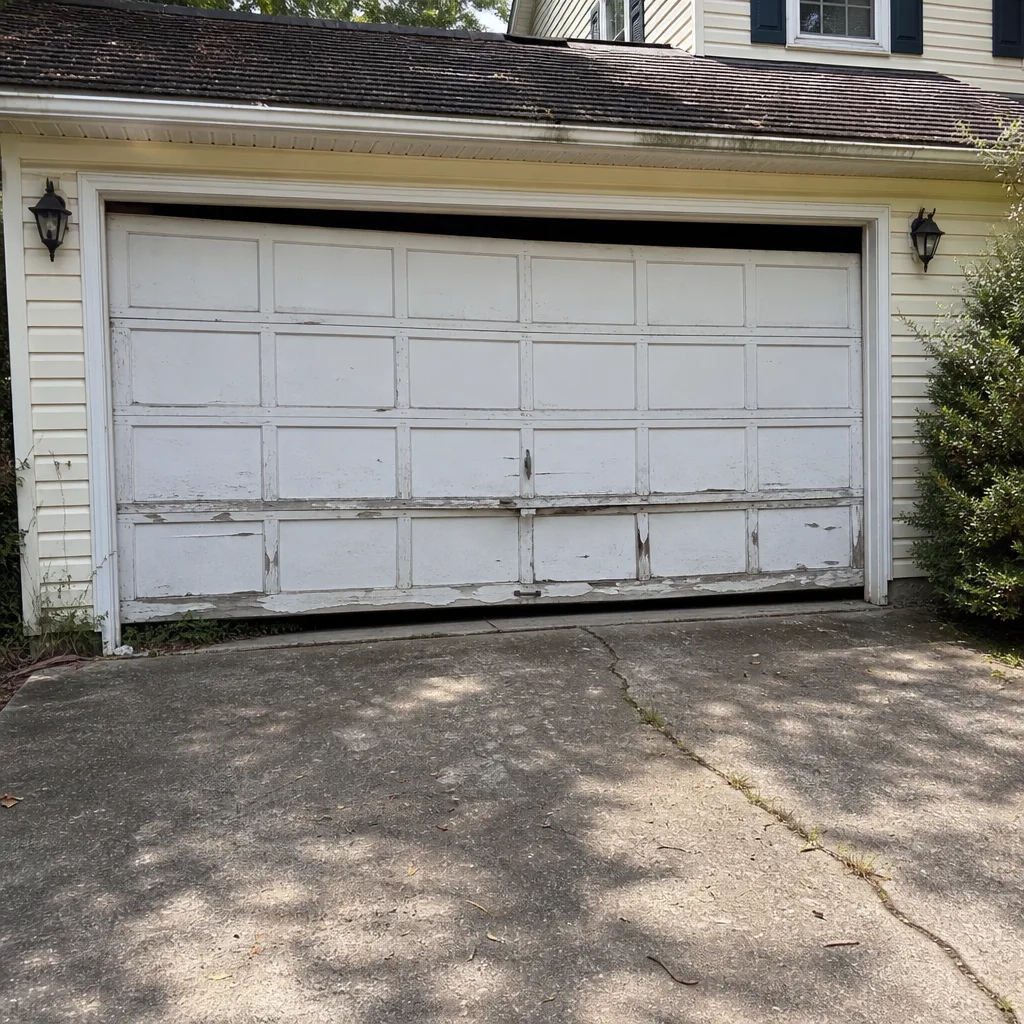 Before
 After
 Before
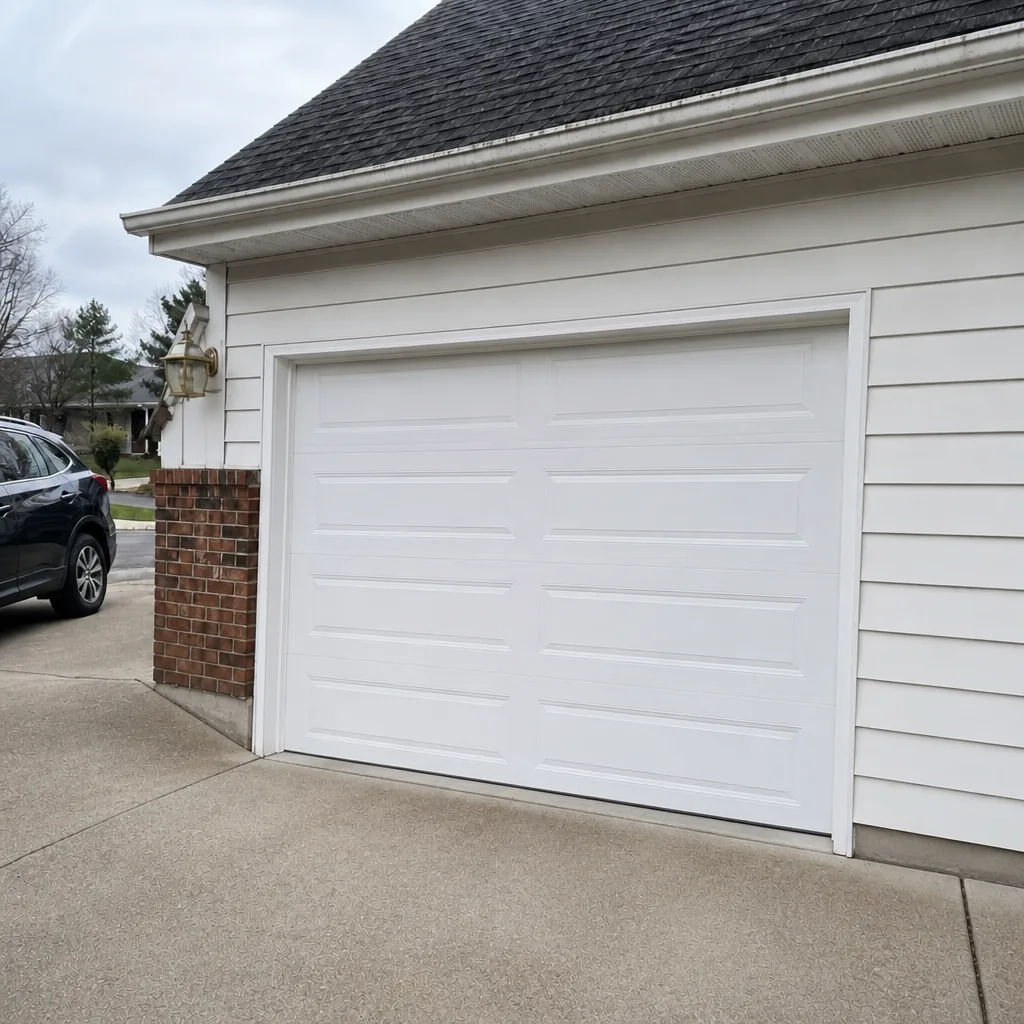 After
When to Call a Professional
Some maintenance is a homeowner task. Some isn’t. Call a professional when a spring shows any sign of cracking or sagging, when a cable is frayed or the door sags on one side, when the auto-reverse test fails and can’t be adjusted with the opener’s force and limit settings, when the opener grinds or the door won’t complete its travel, and when the door is off its tracks. These situations carry real risk, and spring and cable work in particular is not something to attempt yourself. A trained technician has the tools, the technique, and the experience to do it safely and correctly.
McLean Garage Door Repair Pros offers free estimates in McLean. We work on the brand already in your garage, from Genie to Clopay, and we handle the whole job from diagnosis to repair. Call (844) 493-7480. We answer 24/7. Fast dispatch from 7am to 7pm, Sunday through Friday. When your door won’t move, we will.
Frequently Asked Questions
Quarterly is the right interval for most homes. Lubricate rollers, hinges, and springs with the appropriate product, and leave the tracks dry. Monthly over-lubrication is the most common maintenance mistake we see because excess grease collects grit and causes binding. Call (844) 493-7480 if you’re unsure what your specific system needs. Estimates are free.
It means the door should reverse when it contacts an obstruction roughly two inches high, and return fully open without hesitation. To test it, lay a two-inch board flat under the closing door and confirm it reverses on contact. If the door keeps pushing, the safety setting needs adjustment before the door is used again.
Yes, once a year. A door can work smoothly right up until a failing cable or a hairline spring crack gives way. The annual inspection catches what the monthly visual check cannot, and it’s especially important in McLean because the freeze-thaw cycle stresses the seals, hinges, and spring coil gaps harder than in warmer climates.
The freeze-thaw cycle is the cause. Water gets into small gaps, freezes, expands, and thaws, working loose hinges and hardening the bottom seal, while spring coils can develop uneven gaps. By February the accumulated stress often pushes an already-worn component past its limit. That’s why we recommend a late-fall inspection and an extra check after the first cold snap.
No. Torsion springs store serious energy and can cause severe injury if released or adjusted improperly. Leave spring adjustment to a trained technician with the right tools. If you suspect a spring issue, stop using the door and call (844) 493-7480. Estimates are free.
Over-greasing the tracks. Grease attracts dust and grit, the rollers drag, and the door begins to bind, which is exactly the problem lubrication was supposed to prevent. The correct approach is to wipe tracks clean with a dry cloth and leave them dry, while greasing only the metal pivots and lubricating rubber seals with silicone.
The Bottom Line
The right maintenance schedule is about timing as much as it is about the task. Check balance and listen for new noises monthly. Lubricate the right parts, with the right product, quarterly. Test the auto-reverse feature twice a year, and have a professional inspect the full system annually, ideally in late fall before the freeze sets in. In McLean, the added stress of the freeze-thaw cycle makes that late-fall inspection worth doing without fail. Skip the grease on the tracks, keep a simple log, and call a specialist the moment a spring, cable, or opener shows a problem. Our technicians have up to 12 years of experience, and our team at McLean Garage Door Repair Pros is ready when your door isn’t. Call (844) 493-7480 for a free estimate.
Written by the team at McLean Garage Door Repair Pros.