
Last updated November 23, 2026
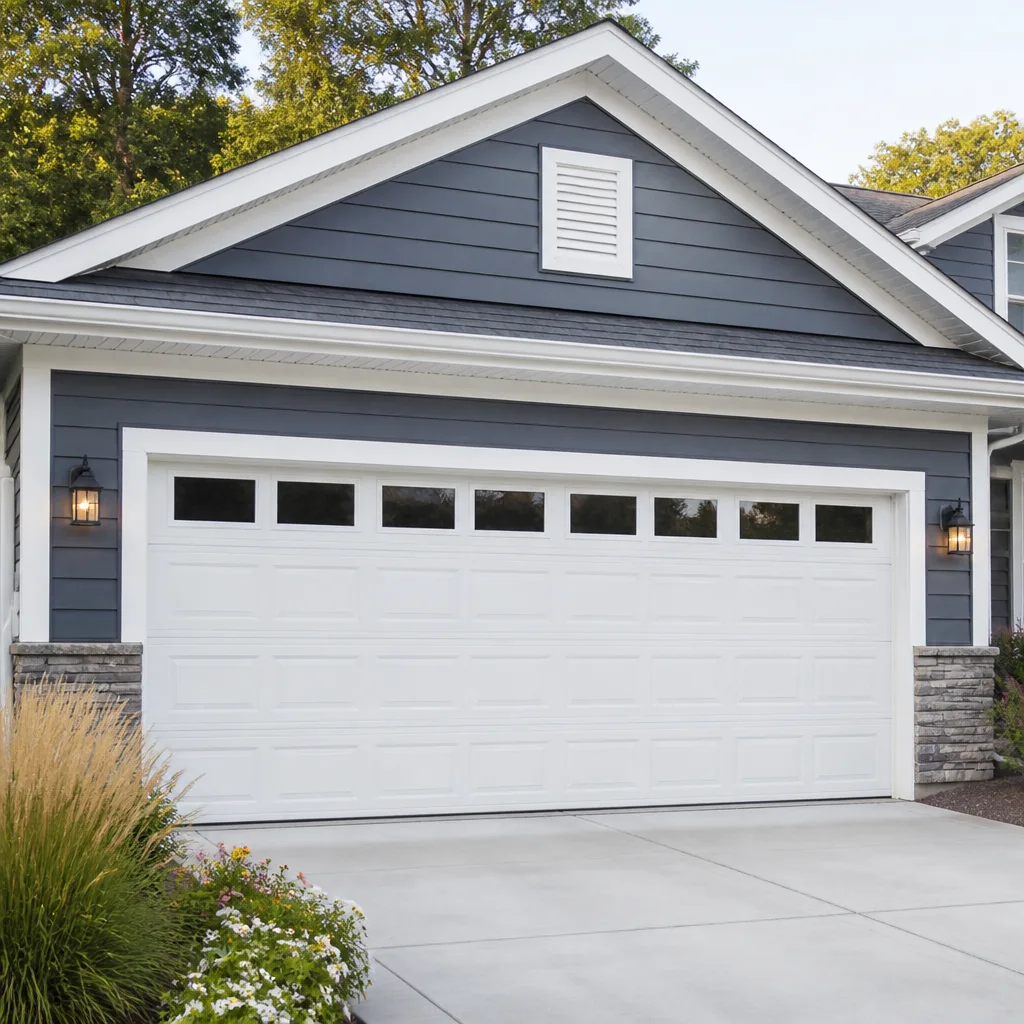
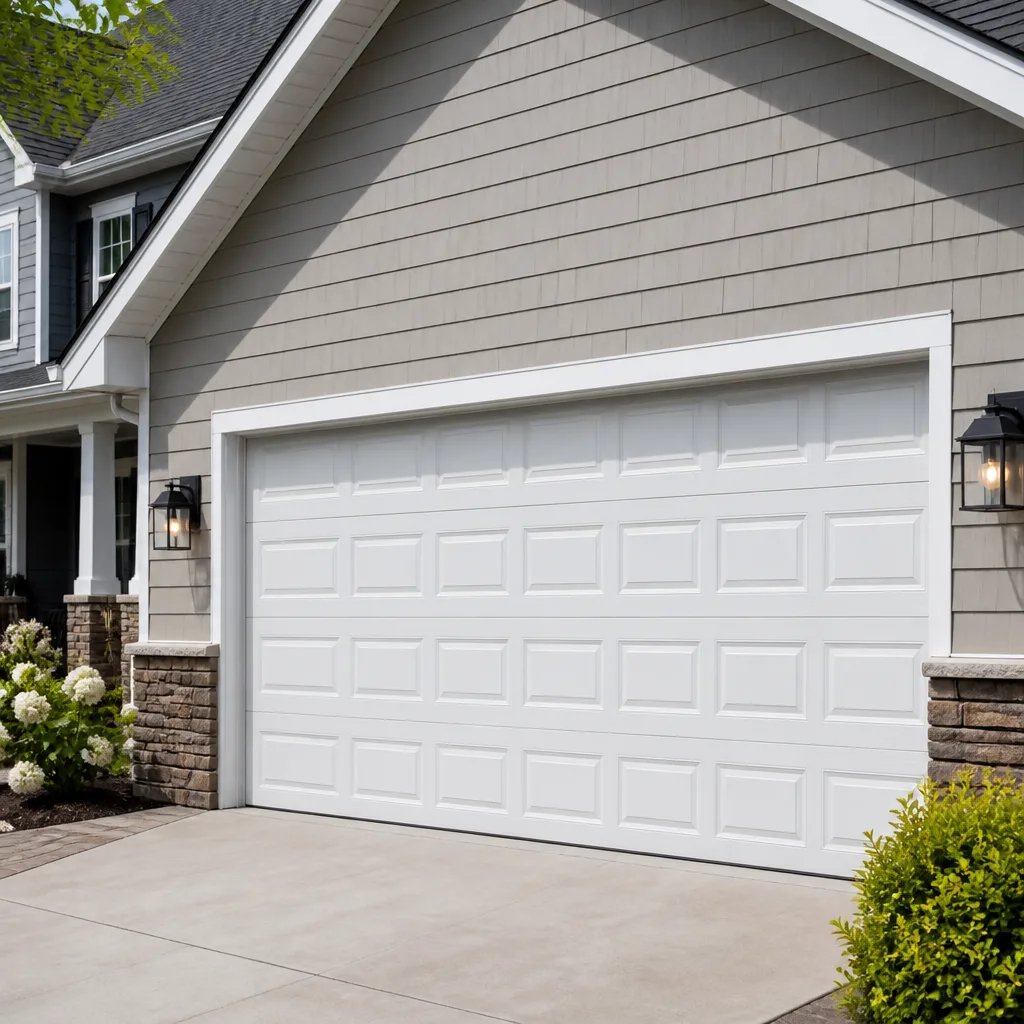 Raised-panel steel
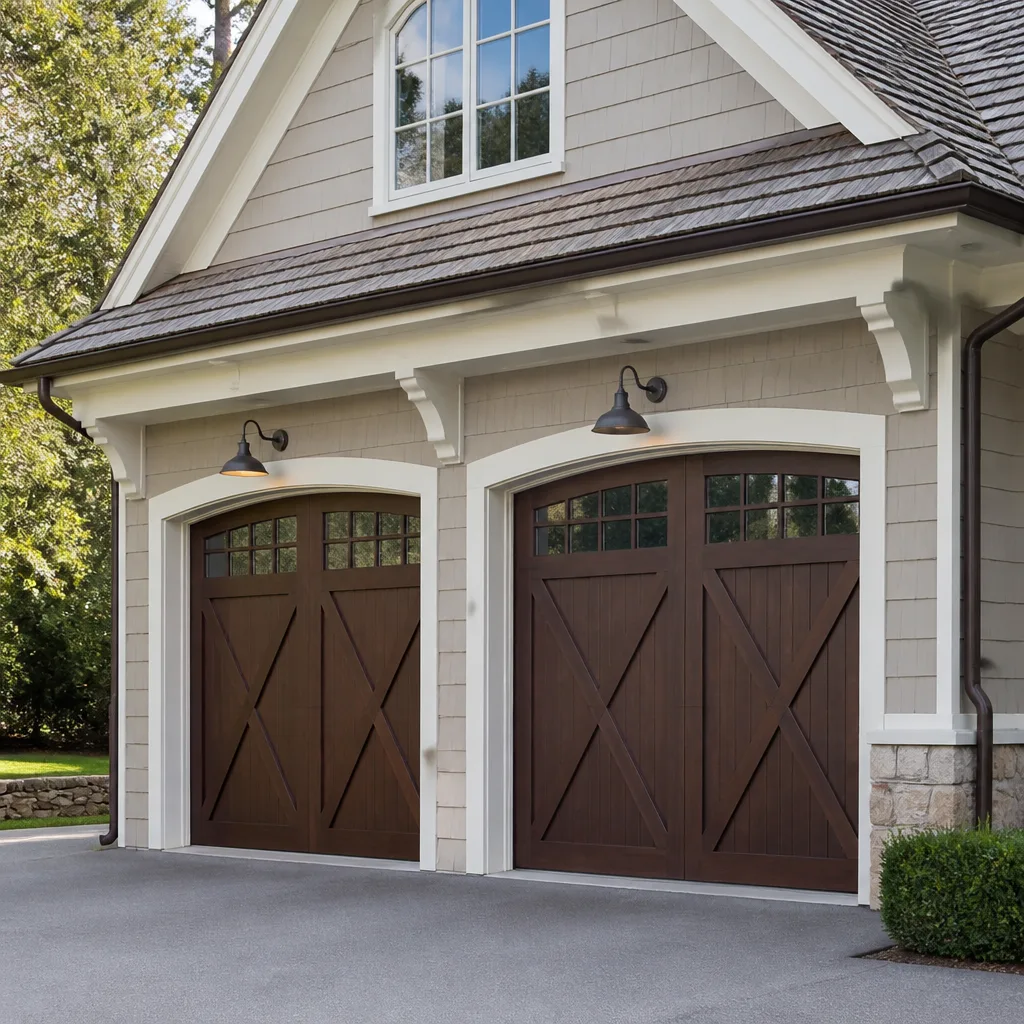 Carriage house
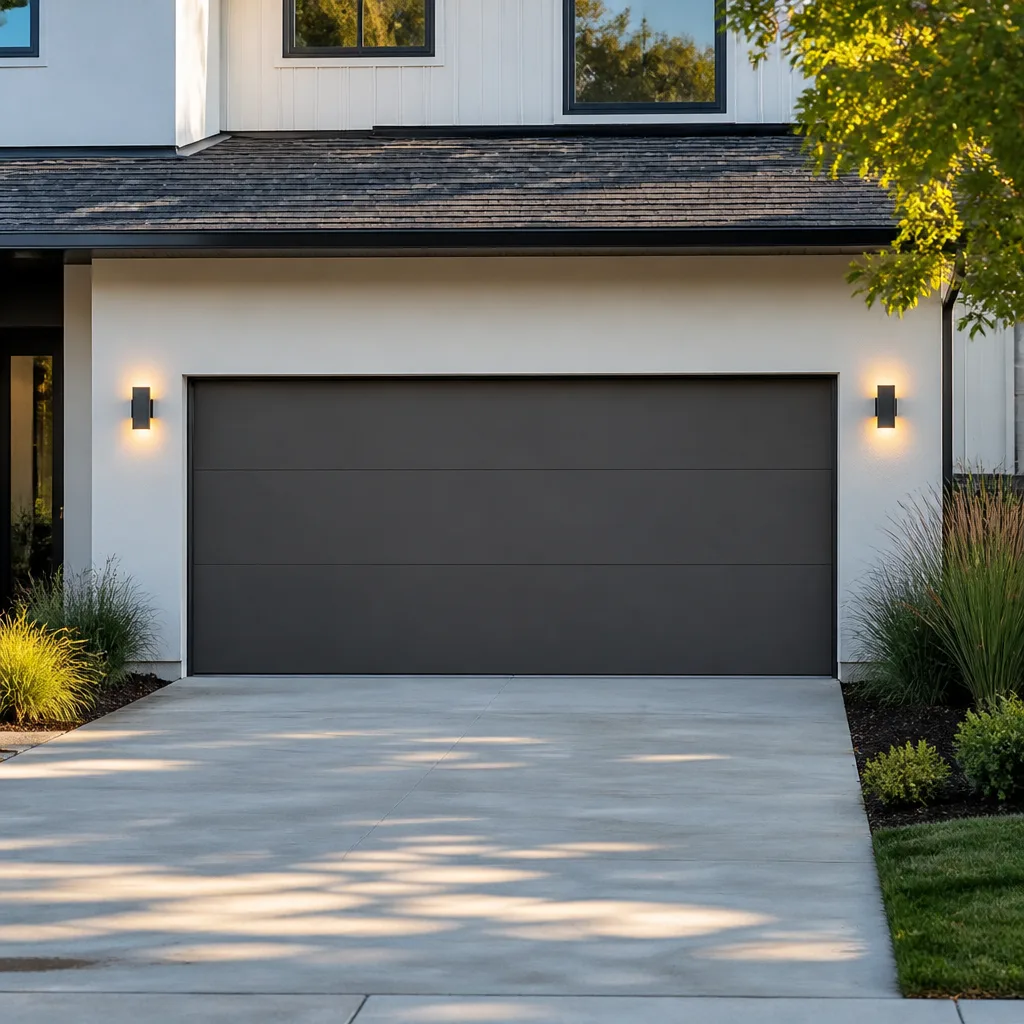 Modern flush
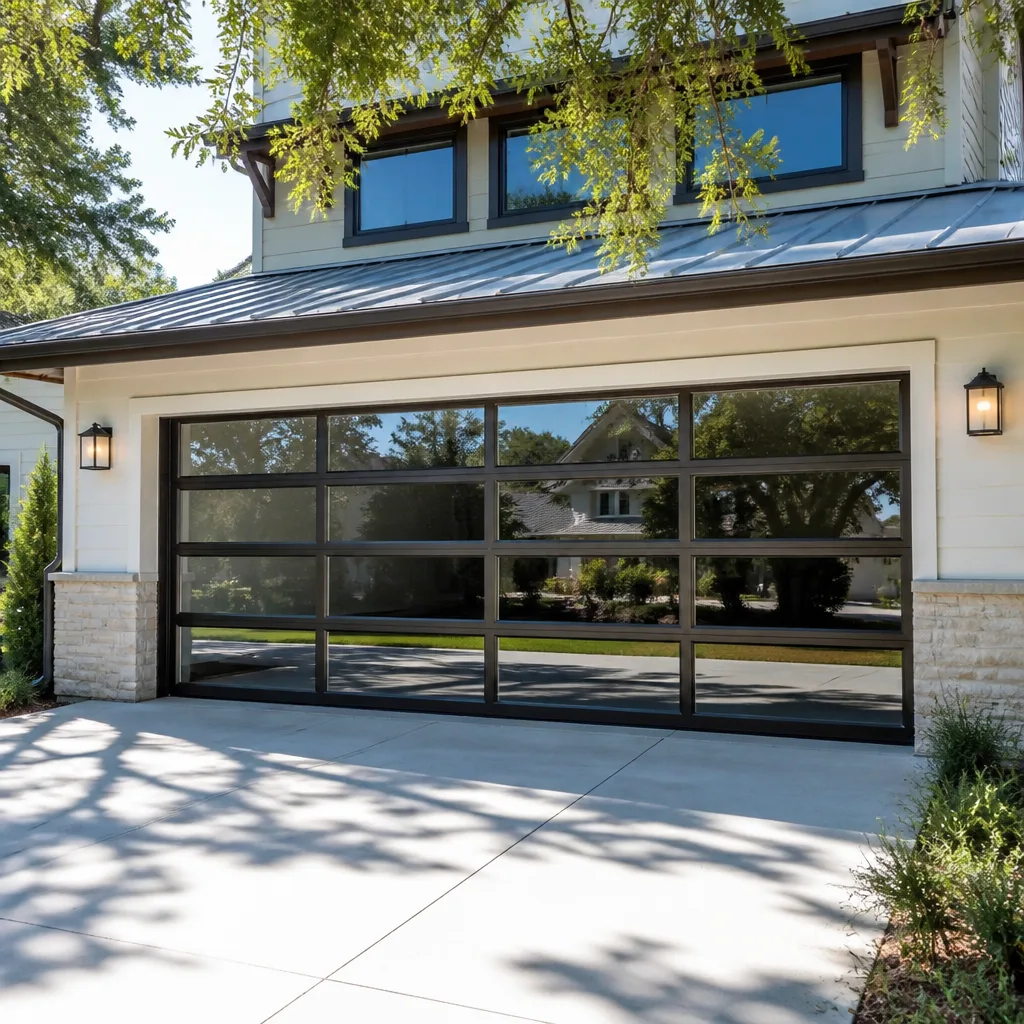 Full-view glass
 LiftMaster openers
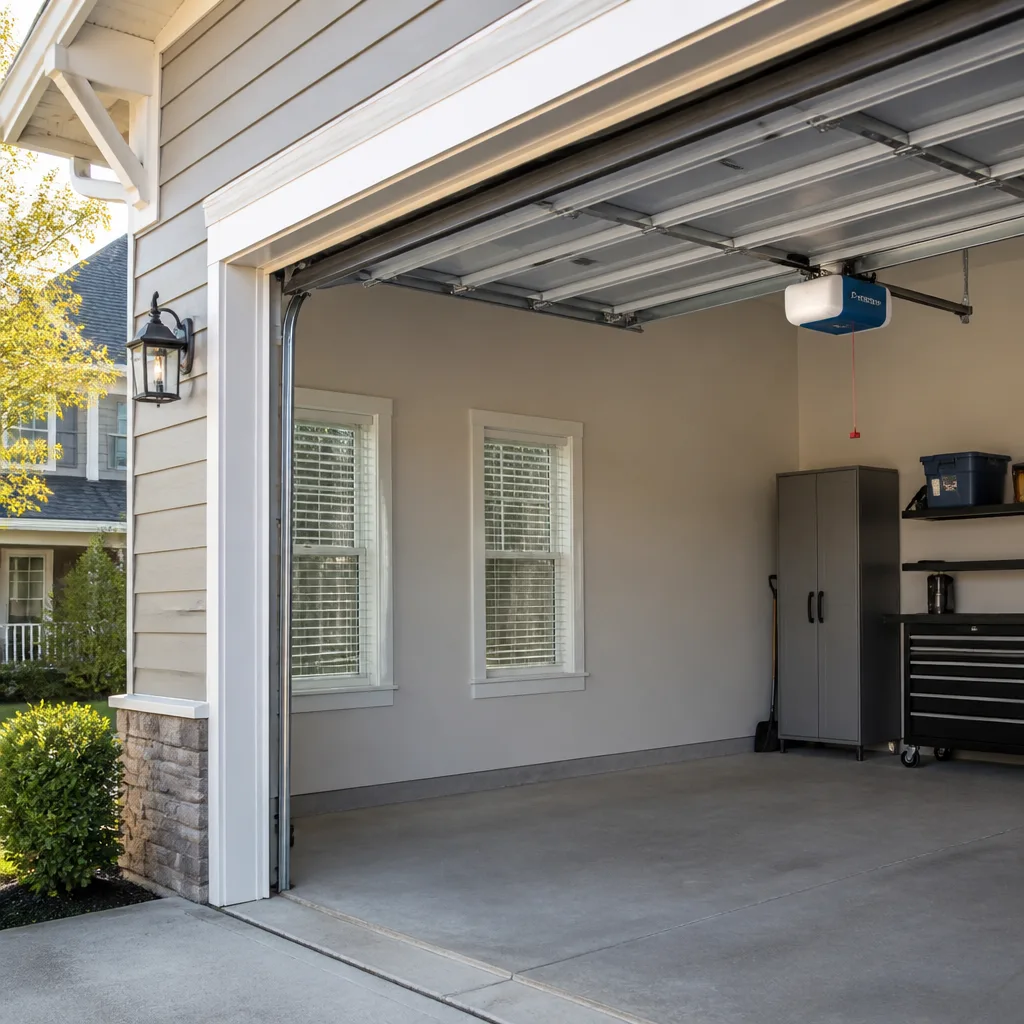 Chamberlain openers
Full 25-point door and opener safety check with every visit - springs, cables, rollers, tracks, and your LiftMaster or Chamberlain opener included
You get a price before we start. It does not change when the pro arrives.
Get your free estimateGarage Door Repair Troubleshooting in McLean: Common Problems and How to Fix Them
A door that reverses the moment it meets the floor usually isn’t broken. It’s reporting. The opener hit resistance, decided something was in the way, and sent the door back up – that’s the safety system working exactly as designed, and the actual fault is often a closed limit switch or a sensor knocked out of line, not a failed motor. Most homeowners in McLean misread this because they focus on the symptom (the door won’t stay down) instead of isolating which of three systems – mechanical, electrical, or structural – has actually failed. This guide teaches you to read the door’s behavior the way a technician does, so you can either make a safe adjustment yourself or hand the job to the right person with a clear description of what’s wrong.
Quick Answer
Most garage door failures in McLean come down to one of three systems: the opener (electrical), the springs and cables (mechanical), or the tracks and hinges (structural). You can usually identify which one failed in under two minutes by pulling the manual release and lifting the door by hand – if it’s heavy or won’t stay up, the problem is mechanical and you should stop and call a specialist. If the door moves freely by hand but the motor won’t run it, the fault is electrical. Once you know which system failed, you know whether it’s a safe homeowner check or a job for a trained technician.
Styles & brands we work with
- Raised-panel steel
- Carriage house
- Modern flush
- Full-view glass
- LiftMaster openers
- Chamberlain openers
Table of Contents
- The manual disconnect test: isolate the failure before you call anyone
- What the sound tells you: grinding, popping, and silence
- Why Northern Virginia cold snaps create false electrical symptoms
- Symptom-to-cause matrix: the 8 most reported failures
- Two adjustments you can safely make yourself
- Three adjustments you should never attempt
- Brand-specific behavior: how Amarr, Wayne Dalton, and Craftsman doors fail differently
- Repair or replace? How to decide
The Manual Disconnect Test: Isolate the Failure Before You Call Anyone
Before you describe the problem to anyone, run the disconnect test. It’s the same first step a technician takes, and it splits every possible failure into two clean categories. You’ll need the door closed, the opener disengaged, and both hands free. Don’t force anything if the door won’t budge – that’s information, not a failure of the test.
- Close the door completely and let the opener finish its cycle so the trolley is at rest.
- Pull the red manual release handle hanging from the opener rail. You should hear the trolley disengage with a light click.
- Lift the door by hand, slowly, about halfway up. A properly balanced door feels light – a well-tuned single-car door takes perhaps ten to fifteen pounds of lift, and a double door not much more.
- Let go at the halfway point. A balanced door holds its position. A door that sags or drops means the springs have lost tension or failed.
- Push the door back down gently and check that it travels in the tracks without binding or scraping.
- Re-engage the release by pulling the cord again, or run the opener one cycle so the trolley reconnects.
If the door is heavy, sags, or won’t stay up, you’re looking at a mechanical failure – springs or cables – and you should leave it alone. If the door moves freely and stays put but the motor won’t move it, the problem is electrical: the opener, a sensor, a limit switch, or the wall control. If the door binds in the tracks or jumps the rail, it’s structural. That’s the whole diagnostic tree, and it takes about ninety seconds. Everything else in this guide refines one of those three branches, and if you’d rather hand the job to a specialist at this point, our garage door repair service is where most McLean homeowners start.
What the Sound Tells You: Grinding, Popping, and Silence
A garage door makes three or four distinct noises when something goes wrong, and each one maps to a specific component. Learning to identify the sound before you call saves diagnostic time and, more importantly, tells you whether the door is safe to operate. If you hear a loud bang followed by total silence, stop running the opener and read the next section first. Running the motor against a failed spring will burn out the opener too.
- Loud bang, then silence: a torsion spring has snapped. This is the most common mechanical failure and the most dangerous. The door will be extremely heavy, and the opener will either refuse to lift it or will strain and overheat. Don’t run the opener. See spring repair below.
- Rhythmic grinding or scraping: a roller is seized, a hinge is dry, or a track section is bent. Often confined to one side, so stand beside the door while a helper runs it and note where the noise originates.
- Repeated popping near one hinge: a hinge plate is loose or a roller has worn through its bearing. Left alone, popping gets louder and eventually the roller jumps the track.
- Rattling from above the door: loose torsion hardware – the springs, drums, or center bearing plate. Tightening is not a DIY job here; that hardware is under tension.
- Complete silence when you press the remote: electrical. Could be the remote battery, a dead wall control, a tripped opener breaker, or a failed logic board. Work through the electrical checks below.
- Motor hums but door doesn’t move: the opener is trying to lift and can’t. Either the door is too heavy (springs) or the trolley has stripped. The disconnect test will tell you which.
Grinding and popping are usually the cheapest failures to catch early – a roller or hinge replacement is minor work, while a door that’s been binding for months can wear a track, a cable, and a motor before anyone notices. If your door is making a noise you can’t place, describe it when you call and we’ll tell you what to check next.
Why Northern Virginia Cold Snaps Create False Electrical Symptoms
The colder months in McLean bring a cluster of garage door problems that look electrical but aren’t. When the temperature drops and holds for a few days, three things happen to a garage door at once, and each one mimics a failing opener. Homeowners often replace parts that were never broken before they realize the issue is the weather.
Lubricant thickens. The grease on the rollers, hinges, and opener rail gets stiff in the cold, and the opener has to work against friction it doesn’t see in milder weather. Symptoms look like a weak opener or a tripping safety reverse. The fix is usually cleaning and re-lubricating, not a new motor – but it has to be the right lubricant, not a general-purpose spray that stiffens worse in the next cold snap.
Metal contracts. The tracks, hinges, and door panels shrink slightly in the cold, and any clearance that was just barely adequate in the summer can bind in February. A door that runs fine all summer and grinds in January is showing a clearance problem, not a mechanical failure. If a door has been hit or the tracks have shifted, that contraction will expose it.
Sensor drift. The safety sensors sit low, near where snow, salt, and road grit collect. A thin film on a sensor lens – or a sensor kicked slightly off alignment by a stored item or a bump – will cause intermittent reverse. The board reads a blocked beam, the door reverses, and the homeowner concludes the opener has failed. Reseating and cleaning the sensors fixes most of these, but persistent drift means the sensor bracket itself has moved and needs re-alignment.
This cluster is why a technician should see a winter failure before any parts get replaced. The right fix for cold-snap symptoms is often a tune-up and a lubricant swap. When the diagnosis genuinely points to a motor or logic board, our garage door opener repair covers the electrical side in detail.
Symptom-to-Cause Matrix: The 8 Most Reported Failures
These are the eight failure patterns we hear most often from McLean homeowners, in roughly the order they get called in. For each, the “try first” column is the safe homeowner check, and the “specialist job” column is what’s best left to trained hands. This table is designed to be read top to bottom when your door stops working.
- 1. Door reverses immediately after hitting the floor. Try first: check that both safety sensors are lit and aligned; check the down-limit setting on the opener. Specialist job: resetting the travel force if the door has been rebalanced, or a failed limit switch.
- 2. Door reverses partway up. Try first: clean both sensor lenses; check nothing is hanging in the beam; confirm the door isn’t binding by running the disconnect test. Specialist job: worn springs that have lost tension, or a failing opener logic board.
- 3. Loud bang, door won’t lift, motor strains. Try first: stop using the opener immediately. Specialist job: a broken torsion spring – never a DIY repair.
- 4. Door lifts crooked or one side lags. Try first: check for a snapped cable, a jump in the track, or a worn roller. Specialist job: cable replacement and track straightening.
- 5. Motor runs, door doesn’t move. Try first: pull the disconnect and lift the door by hand. If it moves freely, the trolley or drive gear has stripped. Specialist job: opener teardown and gear replacement.
- 6. Remote works, wall control doesn’t (or the reverse). Try first: replace the remote battery; check the wall control wire terminations at the opener head. Specialist job: a failed wall control, a bad logic board, or interference from a paired device.
- 7. Opener beeps or flashes before the door closes. Try first: verify the sensors are aligned and unobstructed. Specialist job: sensor replacement, or a wiring fault in the sensor run.
- 8. Door makes grinding noise in the tracks. Try first: look for a bent track section or a broken roller; re-lubricate rollers and hinges with a cold-rated product. Specialist job: track realignment or roller replacement on the torsion side.
Print this list or save it on your phone. When you call, read the number off (“it’s pattern 4, the door lifts crooked”) and the technician will arrive knowing what to look at. For the failures that point clearly to spring or cable trouble, our garage door spring repair covers what the fix involves.
Two Adjustments You Can Safely Make Yourself
Not every garage door problem needs a technician. Two adjustments on most openers are within reach of a careful homeowner with a step ladder and five minutes, and neither one involves the door’s moving parts. Doing these before you call can save a service visit or at least narrow the diagnosis.
The limit settings. The limit switches on the opener set how far the door travels up and down. If the door stops an inch short of the floor or runs too high into the header, the limits need adjusting. On most LiftMaster and Chamberlain openers, the limits are adjusted with a screwdriver on the side of the motor housing, marked up and down. Make a quarter-turn at a time, run the door, and check. Small moves only – a full turn can push the door past its mechanical stop. Check your owner’s manual (or find the brand and model number on the opener head) before you touch anything.
The travel force. On the same openers, the force settings control how hard the motor pushes before it gives up and reverses. If the force is set too low, a door with a slightly stiff roller will trip the safety reverse. If it’s set too high, the door will push through an obstruction instead of stopping – which is why we set this modestly. Again, quarter-turns, then test. Force adjustment hides symptoms rather than fixing them, so if the door needs repeated force adjustments, the underlying fault is still there.
That’s where the safe DIY list ends. Everything else on a modern garage door – the springs, the cables, the drums, the bottom brackets – is under tension that can cause serious injury in a fraction of a second. If your door is behaving in a way the limits and force settings can’t explain, the next step is a specialist, not another adjustment.
Three Adjustments You Should Never Attempt
Garage door systems store a lot of energy, and three components release that energy without warning. We’ve seen the injuries homeowners bring on themselves when they treat these as weekend projects. If your door needs work on any of the following, call a professional. The brief savings isn’t worth the outcome.
- Spring tension. The torsion springs over your door are under enough tension to lift a car, and adjusting them requires knowing how to contain that load while you work. A single wrong turn of a winding bar can throw a spring across a garage. Genuinely dangerous – leave it to a trained technician.
- Cable drums and the cables themselves. The cables are what transfer spring tension to the door. A cable under load that releases will whip across the garage. Inspecting for frays is safe; re-tensioning or replacing is not.
- Bottom bracket bolts and the torsion bar’s fasteners. The bottom bracket is where the cable attaches to the door, and the torsion bar’s fasteners hold the whole spring assembly aligned. Loosening either, with the springs in tension, is the most common source of serious garage door injury.
Everything on that list is a job for a specialist, and it’s why our McLean Garage Door Repair Pros page leads with spring repair as a named specialty. The rest of the door – rollers, hinges, weatherstripping, remotes, sensors, limits – is fair homeowner territory with the right caution and the right manual. Know the line, and you’ll stay on the safe side of it.
Brand-Specific Behavior: How Amarr, Wayne Dalton, and Craftsman Doors Fail Differently
Garage doors aren’t interchangeable, and neither are the failures. An Amarr steel door and a Wayne Dalton door with a torsion system behave differently under the same conditions, and openers from Craftsman and Raynor have their own quirks in how they sense obstruction and report faults. Diagnosing a door without knowing the brand is guesswork, which is why we treat the model as the starting point.
Amarr doors are common on newer McLean construction, and their panel and hinge fastening means a missed panel screw shows up as a specific kind of rattle – different from a loose roller. The hinge and section layout tells you where to look, and the fix is usually a tightening rather than a replacement.
Wayne Dalton doors with a torquemaster torsion system store spring tension in a different configuration than a conventional torsion setup, which changes how a spring failure presents. A snapped Torquemaster spring often looks like a sudden loss of balance without the bang a conventional spring makes, and the door can drop without warning when the opener runs. If your door is a Wayne Dalton and it suddenly feels heavy, stop using the opener and treat it as a spring failure.
Craftsman openers – still in a lot of older McLean homes – use a logic that reports sensor faults with a specific light sequence, and a common false alarm is a sensor that’s been nudged out of alignment by stored items rather than a genuine board failure. Reading the light code first saves a lot of unnecessary part swaps.
Raynor openers and Raynor doors use their own diagnostic conventions, and the wall control is often the component that fails first when a door stops responding. A wall control swap is a much smaller job than it feels like when the opener appears dead.
This is why we work on the brand already in your garage. LiftMaster, Chamberlain, Genie, Clopay, Amarr, Wayne Dalton, Craftsman, and Raynor each have their own fault patterns, and a fast diagnosis depends on recognizing them. The alternative – a general handyman guessing at a specific system – is the source of most of the unnecessary part replacements we see around McLean.
Repair or Replace? How to Decide
Sometimes a repair isn’t the right answer, and the honest conversation about replacement is one a specialist should have with you early rather than at the end of a long repair bill. Three questions usually settle it.
Is the door structurally sound? Rusted-through panels, a sagging header, worn hinges across most of the door, or a bent track that won’t realign cleanly on a door over ten years old are all signs the door is at the end of its repair life. Replacing it usually costs less over the next five years than repeated repairs.
Is the opener keeping up? An opener that’s paired with a door it was never sized for, or one that’s already had a logic board replaced and a gear set swapped, is a candidate for replacement – not because it can’t be fixed, but because the next failure is around the corner and the cost adds up.
Do you want a different door? Insulation, panel style, and window options are all better than they were a decade ago, and if you’re considering a change anyway, it’s cheaper to make the switch during a repair than to fix a door you’re going to replace next year.
We handle repair and full installation under the same roof, so the conversation is one call, not a handoff. If the door’s fixable, we fix it. If it’s genuinely beyond repair, we tell you straight and quote the replacement.
Common Mistakes to Avoid
These are the mistakes we see most often around McLean, and each one tends to turn a small repair into a large one. None of them are unusual – almost every homeowner makes at least one – but knowing them in advance is the difference between a quick fix and a bigger bill.
- Running the opener on a snapped spring. The motor will strain to lift a door it can’t move, and repeated attempts burn out the gear set or the logic board. Stop as soon as you hear the bang and the door won’t lift.
- Replacing the opener when the real problem is the door. Homeowners often buy a new motor when the door is too heavy or binding in the tracks. The opener was never the fault; the springs were. The disconnect test saves you the part swap.
- Adjusting the travel force every time the door reverses. Force adjustment is meant to hide a symptom for a short time, not fix a mechanical problem. The underlying fault – a failing roller, a sagging track, a spring losing tension – gets worse while the force setting hides it.
- Re-engaging the manual release while the door is up. Releasing or re-engaging the trolley with the door in the up position can drop the door without warning. Always reconnect with the door closed.
- Lubricating with general-purpose spray. Standard lubricants stiffen in cold Northern Virginia mornings and can attract grit. Use a proper garage door lubricant on rollers, hinges, and the opener rail – not on the tracks themselves, which should be clean and dry.
- Ignoring a crooked lift. A door that lifts unevenly on one side is showing cable or spring trouble. Running it “until it fails completely” usually means a failed door, a bent track, and a strained opener at the same time.
- Treating a winter failure as an electrical failure. The cold-snap cluster – thick grease, contraction, sensor drift – mimics an opener fault. A tune-up and lubricant swap is often the whole answer.
Every one of these is avoidable with a two-minute check before you pick up the phone or press the button. The savings aren’t just monetary – the force adjustment that hides a spring problem is the same adjustment that lets a door close on something in its path.
See the difference
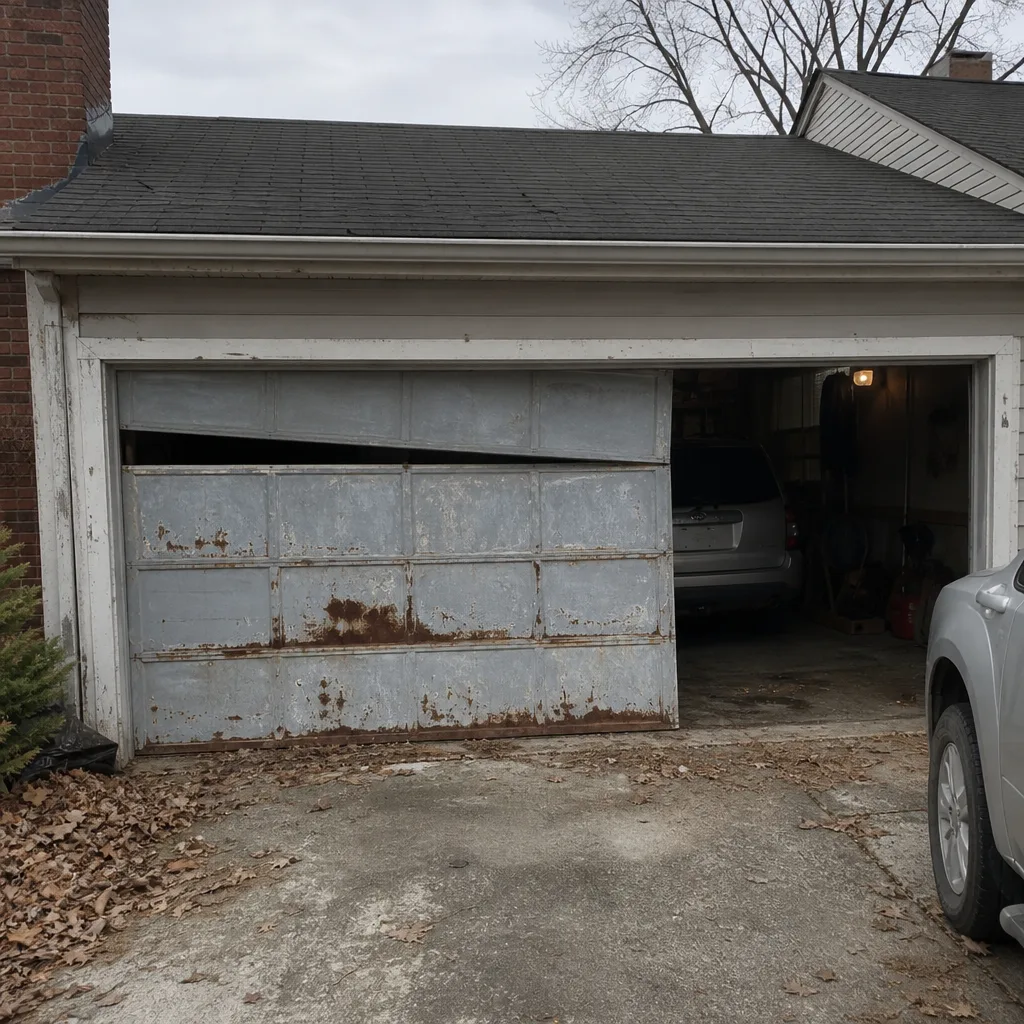 Before
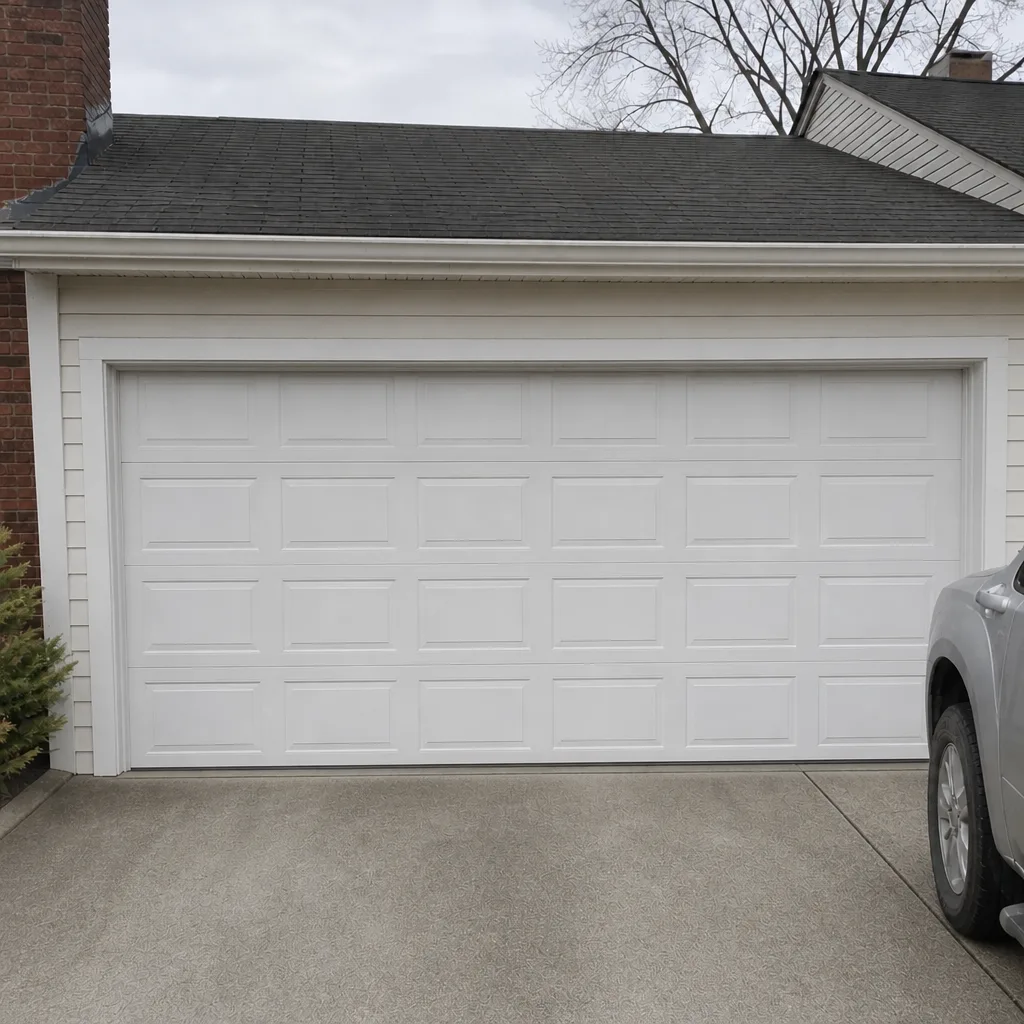 After
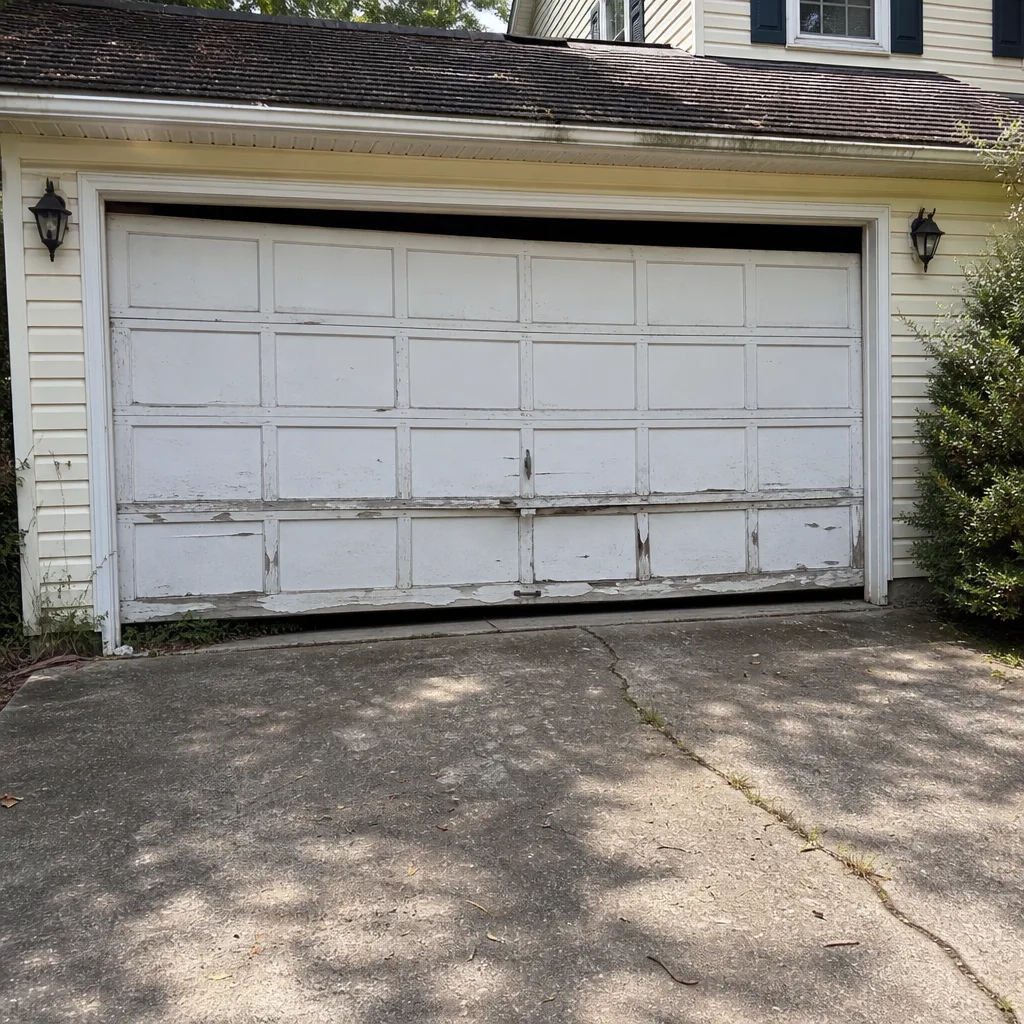 Before
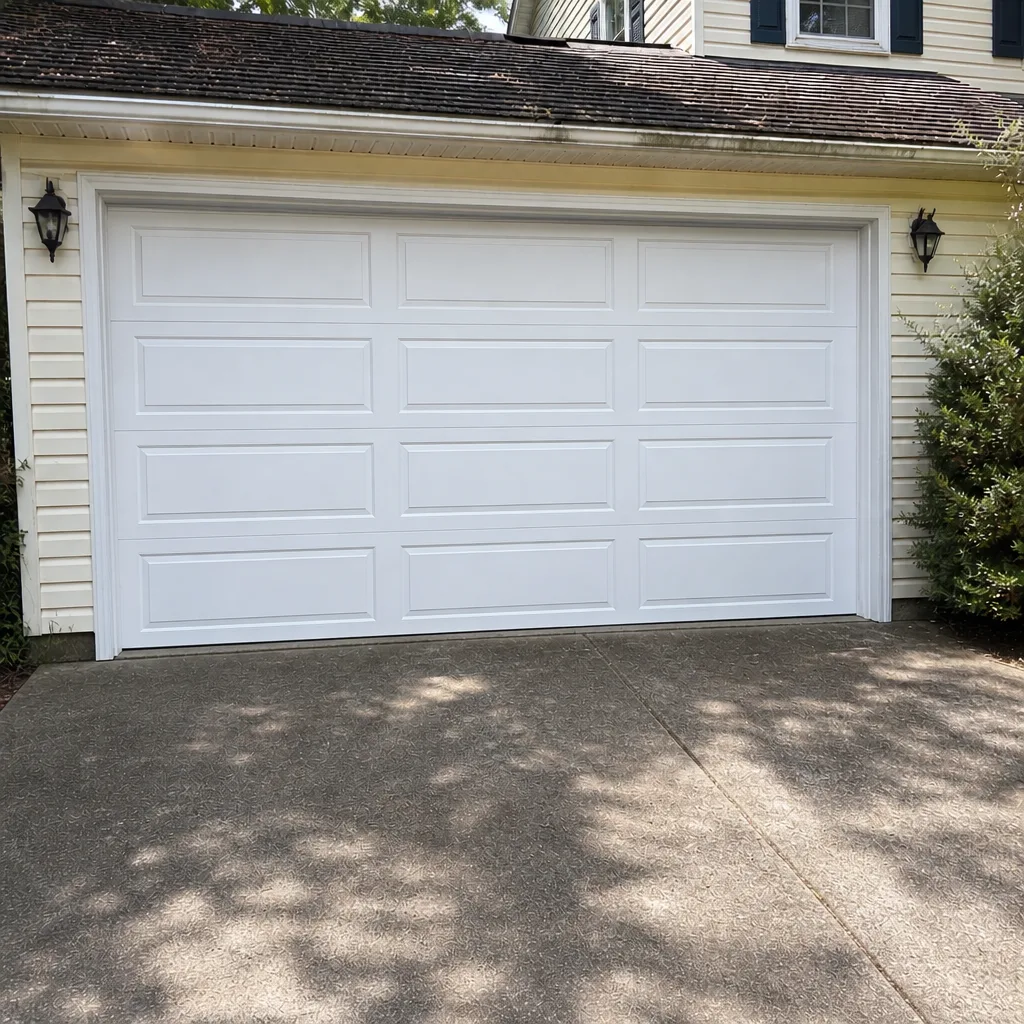 After
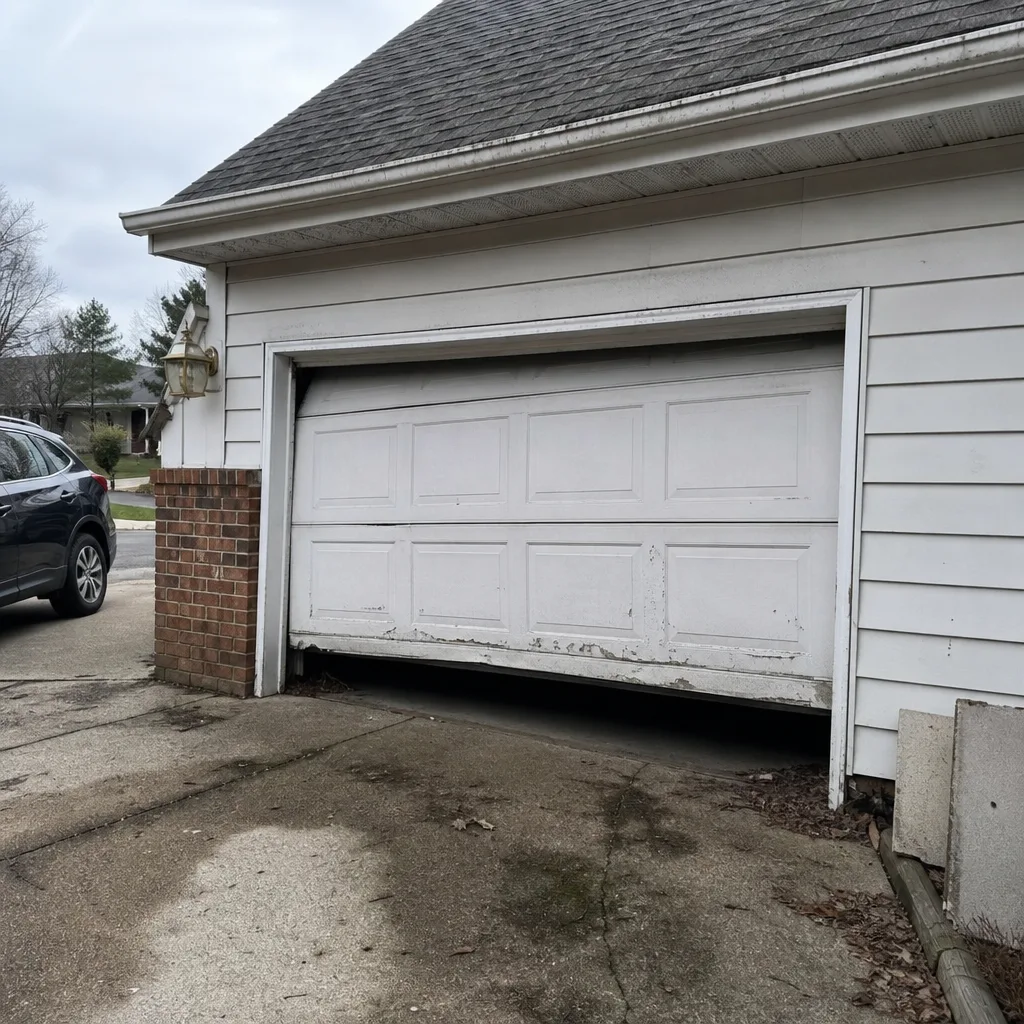 Before
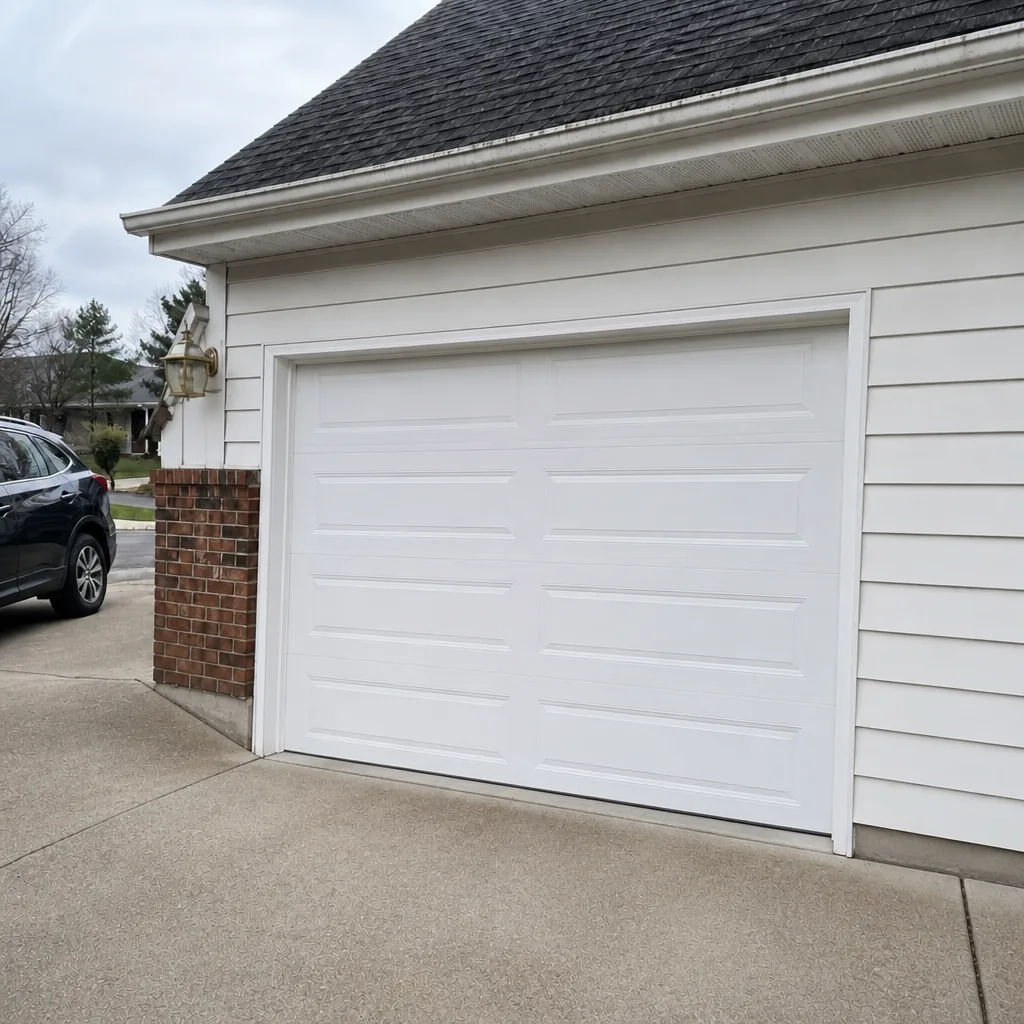 After
When to Call a Professional
Call a professional when the door is heavy, when a spring has snapped, when a cable is frayed or hanging, when a door has jumped its track, or when the disconnect test shows a binding or balance problem you can’t account for with the limits and force settings. Call immediately if you hear a bang from the torsion bar, if the door lifts crooked, or if the opener runs but the door doesn’t move – those are the cases where continuing to run the door makes the damage worse. Anything involving spring tension, cable drums, or the bottom bracket is a specialist job, full stop. If you’re not sure which category you’re in, call and describe what the door is doing; a quick conversation often saves an unnecessary visit.
McLean Garage Door Repair Pros offers free estimates in McLean – call (844) 493-7480. We answer 24/7, and fast dispatch runs from 7am to 7pm, Sunday through Friday. Our technicians have up to 12 years of experience, and every price is quoted and agreed before any work starts, so the written estimate is what you’ll pay.
Frequently Asked Questions
Most garage door repairs in McLean fall into a few common ranges, and a written estimate confirms the exact figure before any work begins. The final price depends on which system failed and what parts are needed, and the estimate you get is the price you pay.
- Roller, hinge, or sensor replacement: typically the smallest repair, often $150-$300.
- Torsion spring replacement (one spring): typically $200-$350 for a single spring. A matched pair is usually replaced together, so a pair costs roughly twice that.
- Cable replacement: typically $180-$320 per side, and often both sides are replaced together.
- Opener repair: typically $150-$350 depending on the failed component.
- Opener replacement: typically $350-$700 installed for a standard unit.
Call (844) 493-7480 for an exact quote – estimates are free.
Pull the manual release and lift the door by hand. If it’s light and balanced, the door is fine and the problem is electrical – the opener, a sensor, a limit, or a wall control. If it’s heavy, sags, or won’t stay up, the door itself has a mechanical failure and the opener was never the issue. That single test settles it in under two minutes, and it’s the first thing a technician does.
Not necessarily. A door that reverses on contact is usually reporting a down-limit that’s set too high, or a safety sensor that’s misaligned or dirty. Clean both sensors, check that they’re facing each other and their indicator lights are steady, and check the down-limit setting in the opener manual. If the door reverses partway down instead of on contact, look at the sensors first and then at the springs. If the adjustment doesn’t hold after one or two tries, that’s when to call – repeated limit changes usually mean a sensor or control fault. Call (844) 493-7480 for a free estimate.
No. The estimate is quoted and agreed before any work starts, and that written figure is what you pay. If the diagnosis reveals a different fault than what was expected, we tell you and re-quote before touching anything – the price never changes mid-job on the back of an invoice.
The local professionals we connect you with are licensed and insured as their state requires, and they’re experienced specifically with garage doors. Our technicians have up to 12 years of experience, and we work on the brand already in your garage – LiftMaster, Chamberlain, Genie, Clopay, Amarr, Wayne Dalton, Craftsman, and Raynor – so the diagnosis matches your actual system.
Only long enough to get it looked at. Grinding usually means a seized roller, a bent track, or worn hinge plates, and every cycle wears the track and the opener a little more. Keep the door closed and call. If the grinding comes with a bang or the door stops lifting entirely, stop using the opener immediately and treat it as a spring or cable failure – that one is not safe to cycle.
Repair the door if it’s structurally sound, if the tracks can be realigned cleanly, and if the opener is younger than the door. Replace it if the panels are rusted through, most of the hinges are worn, the header is sagging, or the door has been repeatedly repaired. When you’re on the fence, ask for both numbers – a repair estimate and a replacement estimate – and compare them over five years, not one.
The Bottom Line
Garage door troubleshooting comes down to one idea: read the behavior, isolate the system, then decide. The disconnect test tells you whether you’re dealing with mechanical, electrical, or structural failure in under two minutes. The sounds map to specific components. Cold snaps in McLean create symptoms that look electrical but are usually lubrication and sensor drift. Two adjustments – limits and travel force – are safe for a careful homeowner, and three – spring tension, cables, and bottom bracket bolts – never are. Know which category your door is in, and the next call is a short one. When the door needs a trained hand, that’s what we do – garage doors only, on the brand already in your garage.
Contact Us
If your garage door is doing something this guide doesn’t explain, or if the disconnect test pointed you at a spring, cable, or limit problem you’d rather not touch, give us a call. McLean Garage Door Repair Pros specializes in garage doors – repair, opener repair, spring repair, full installation, and emergency service – so there’s no handoff to another contractor. Call (844) 493-7480 for a free estimate. We answer 24/7, and fast dispatch runs from 7am to 7pm, Sunday through Friday. Every price is quoted and agreed before any work begins, so you’ll know the number before anyone picks up a tool.
Written by the team at McLean Garage Door Repair Pros.