
Last updated November 23, 2026
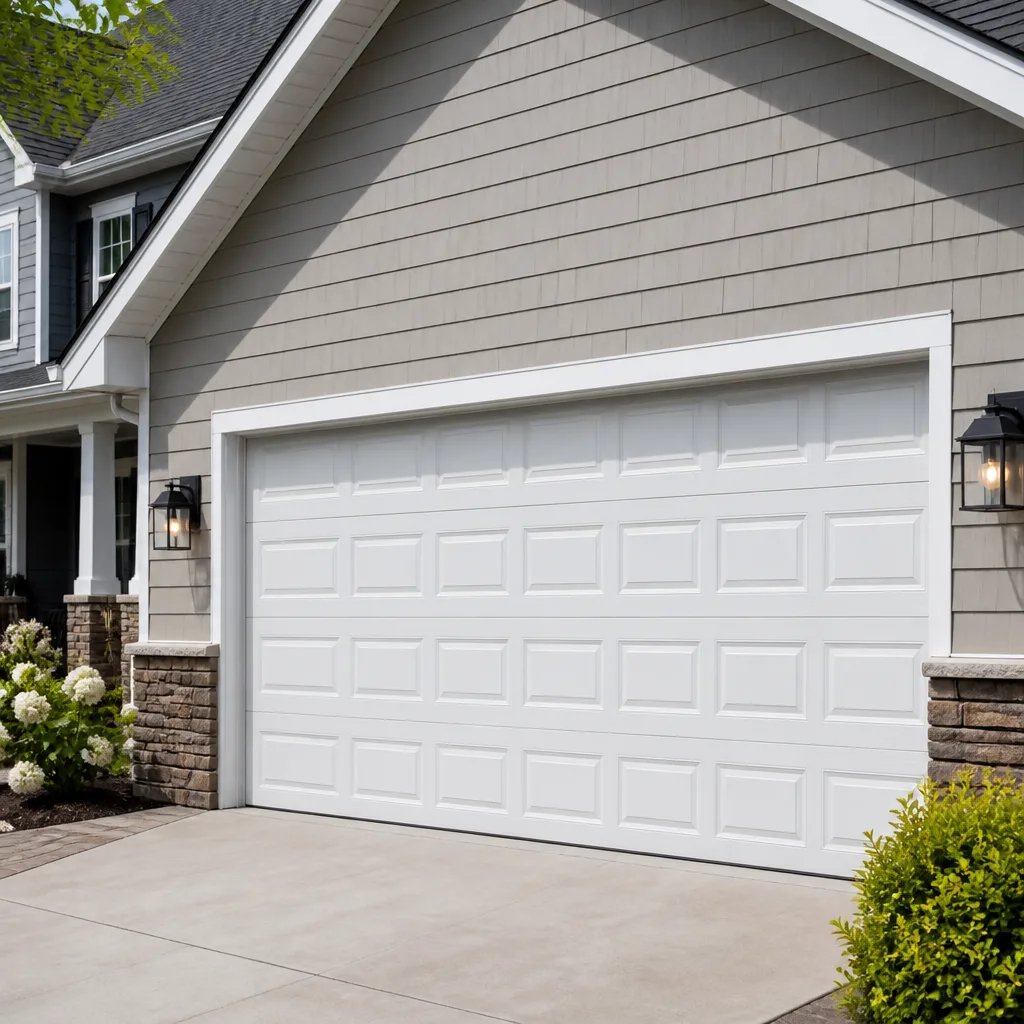 Raised-panel steel
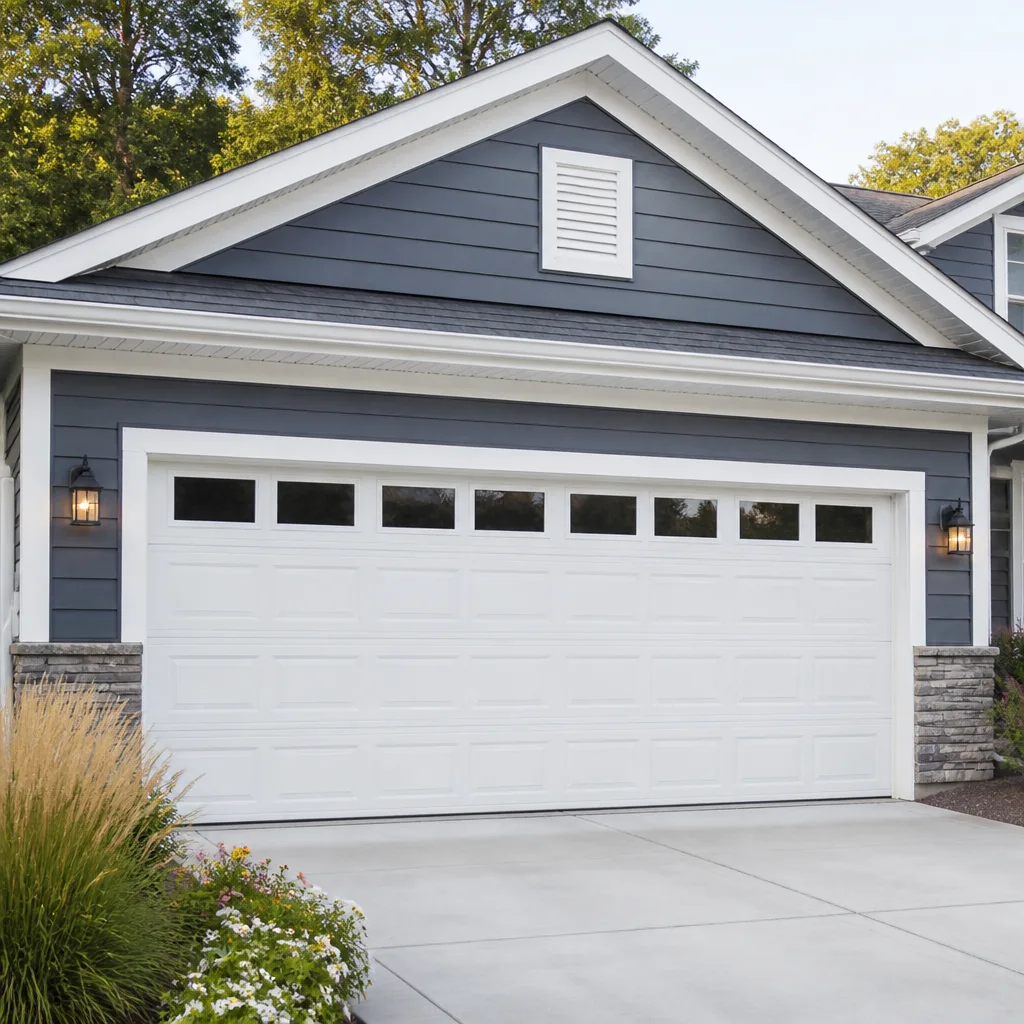
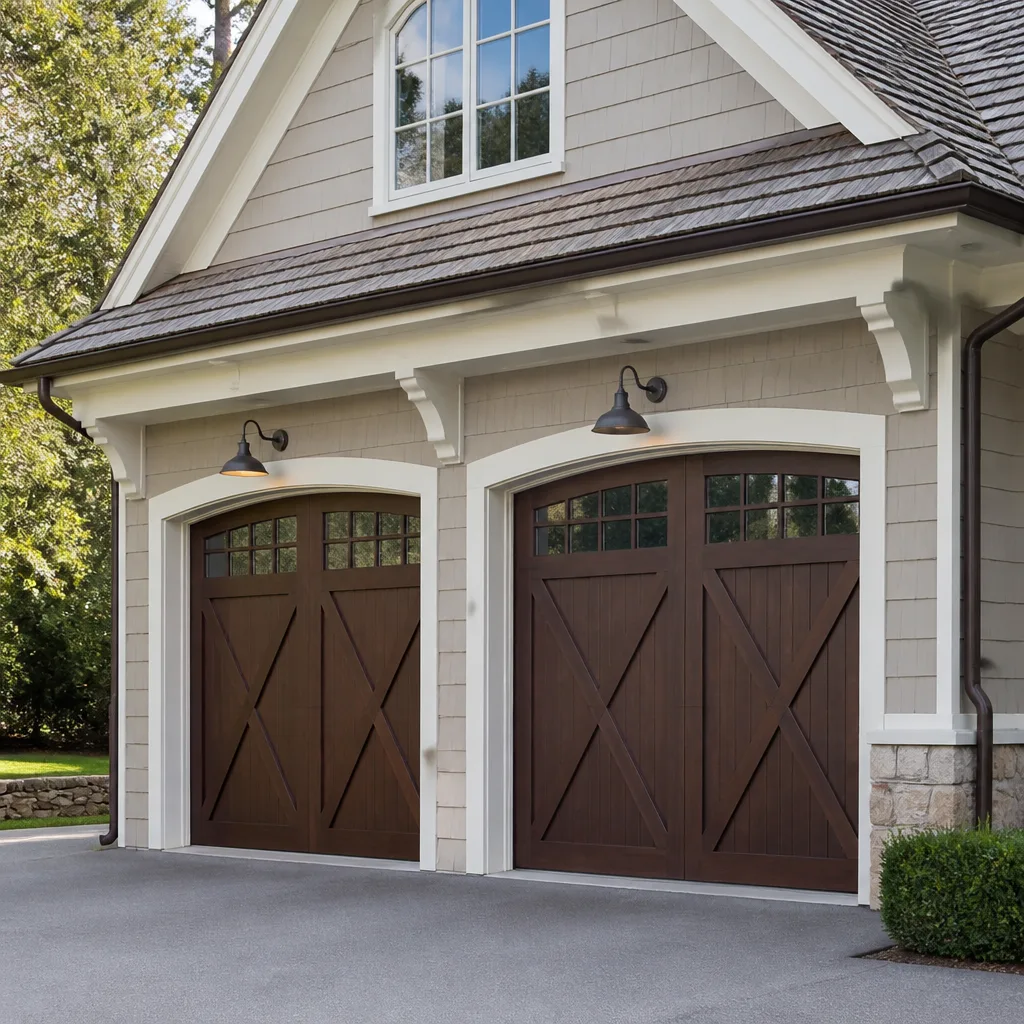 Carriage house
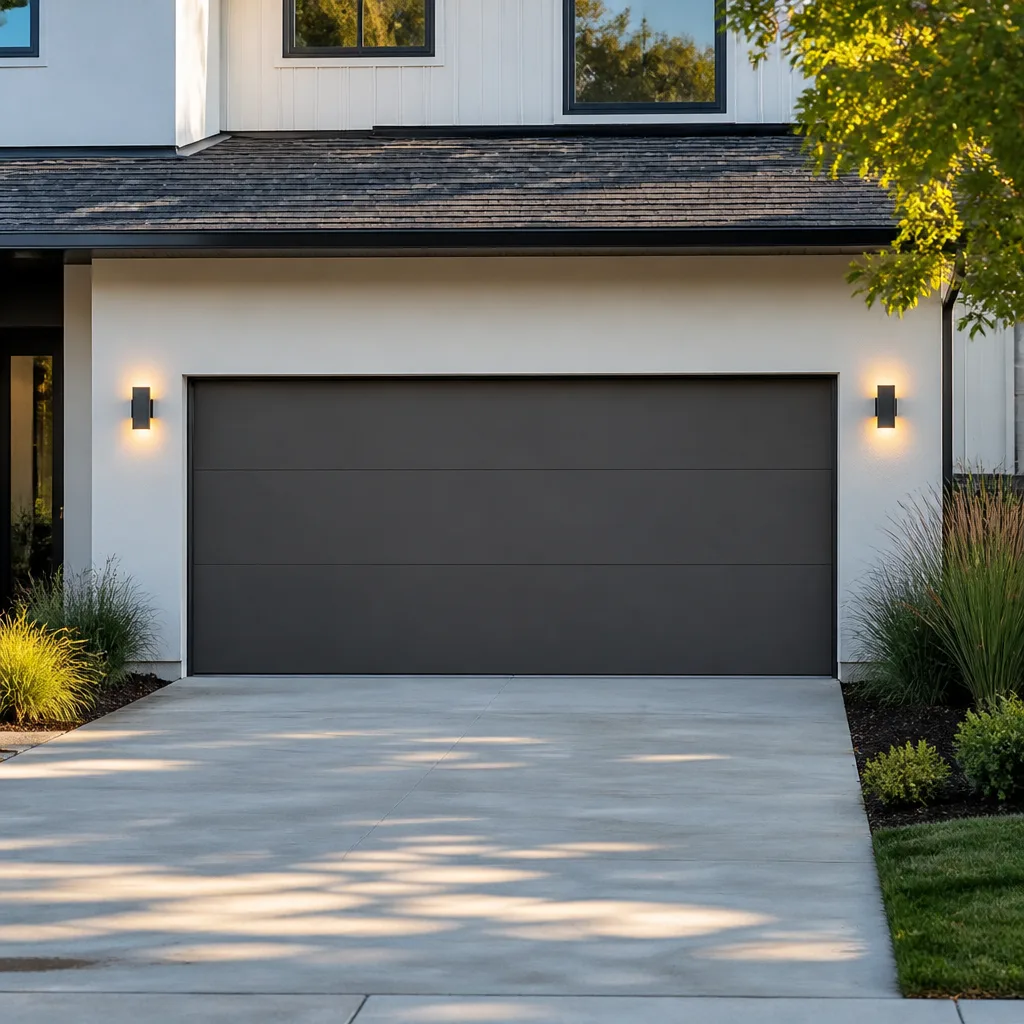 Modern flush
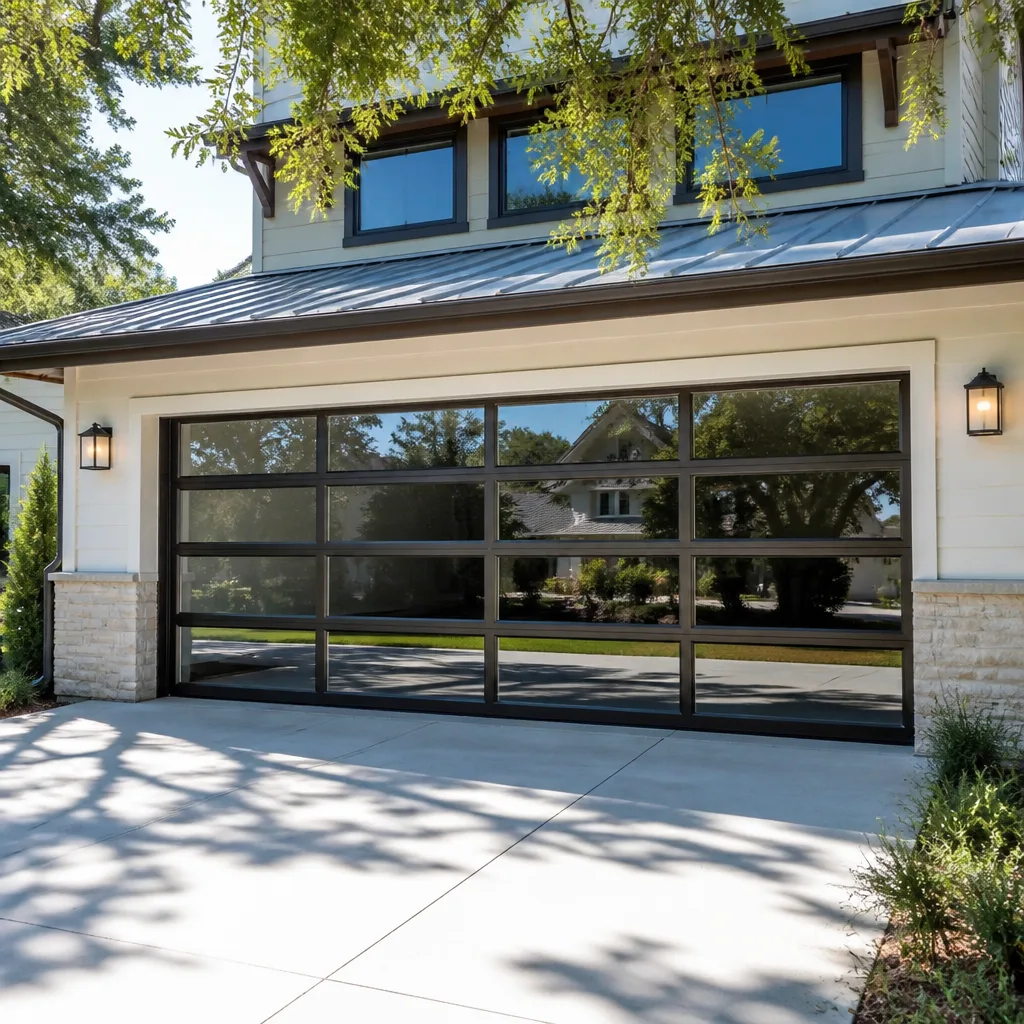 Full-view glass
 LiftMaster openers
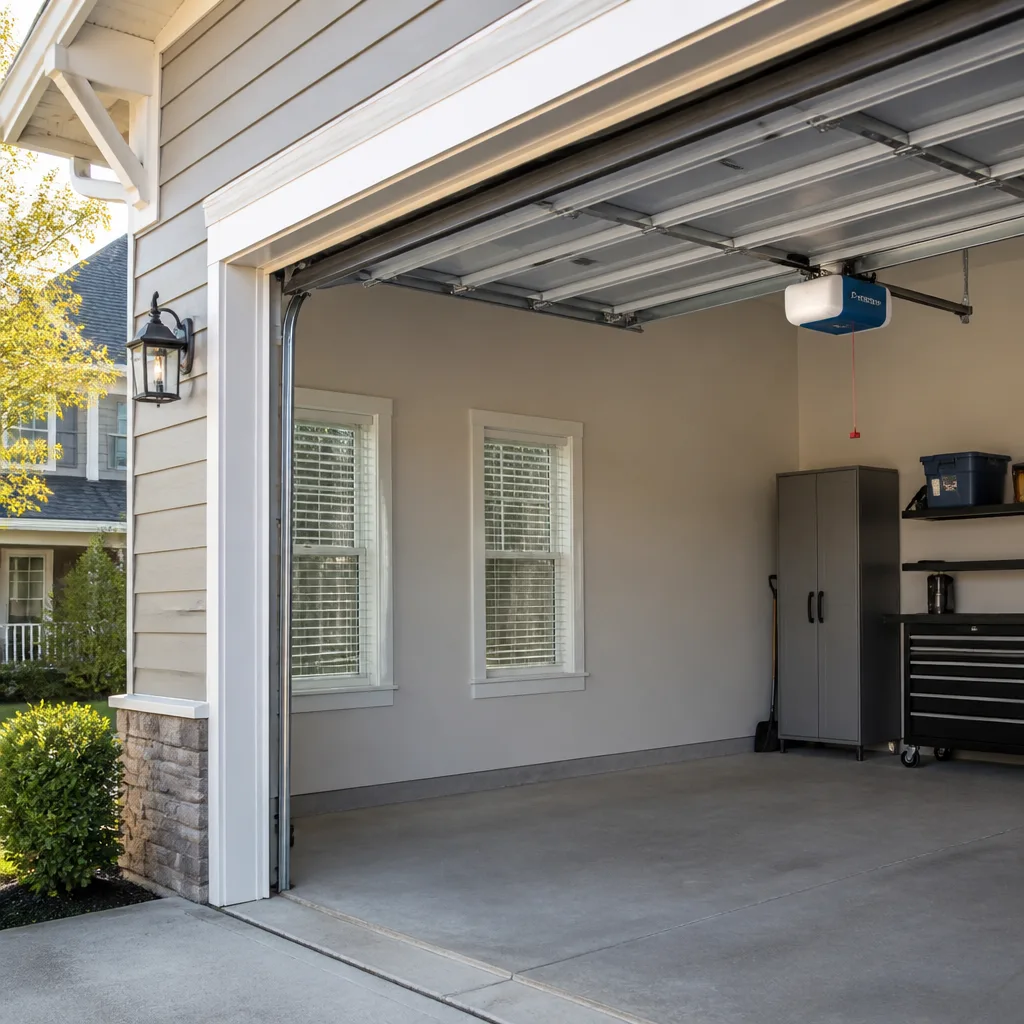 Chamberlain openers
Full 25-point door and opener safety check with every visit - springs, cables, rollers, tracks, and your LiftMaster or Chamberlain opener included
You get a price before we start. It does not change when the pro arrives.
Get your free estimateGarage Door Repair Maintenance Checklist for McLean Homeowners
Lubrication sits near the top of every garage door checklist in existence. It’s also the step most homeowners get wrong. Spraying a general-purpose product like WD-40 onto rollers and springs strips away the heavier lubricant already there and speeds up wear instead of slowing it. The fix takes about 30 seconds once you know which product belongs on which part. This guide walks through a maintenance sequence built for McLean homes specifically: springs first, then cables, rollers, tracks, and finally the opener. We also cover how to test balance, travel force and auto-reverse without tools, the seasonal checks that matter in Northern Virginia’s humidity and freeze cycles, and the records that make a service call faster and cheaper.
Quick Answer
A garage door maintenance checklist for a McLean home should inspect components in order of failure risk: torsion or extension springs first, then cables, rollers, tracks, and the opener last. Check balance, travel force and auto-reverse monthly with no tools. Lubricate springs and hinges with a lithium- or silicone-based product, never a general-purpose spray, and repeat the full inspection before the first freeze and before the first 90°F week of summer.
Styles & brands we work with
- Raised-panel steel
- Carriage house
- Modern flush
- Full-view glass
- LiftMaster openers
- Chamberlain openers
Table of Contents
- Why the Order of Your Inspection Matters
- Step 1: Springs, the Highest-Risk Component
- Step 2: Cables and Rollers
- Step 3: Tracks and Hardware
- Step 4: The Opener Comes Last, Not First
- The Right Lubricant for Each Component
- Three Tests You Can Run Without Tools
- Seasonal Adjustments for Northern Virginia
- Record-Keeping That Saves Money
Why the Order of Your Inspection Matters
Most checklists hand you ten items and leave you to decide where to start. That’s backwards. Garage door components don’t fail at the same rate, and they don’t fail independently. A worn roller adds drag that makes the opener work harder; a tired spring forces the opener to lift weight it was never meant to carry. If you inspect in the wrong order, you can miss the cause and note only the symptom.
In our experience across McLean, the failure pattern is consistent. Springs and cables are the parts that break outright and stop the door. Rollers and tracks wear gradually and produce noise, binding and uneven travel. The opener is usually the last thing to fail and often isn’t failing at all; it’s compensating for a mechanical problem upstream. That’s why a door that “acts like the opener is dying” frequently needs spring or roller work instead.
That sequence matters for a specific reason here. McLean’s humidity swings put repeated stress on metal components, and homes here tend to have attached garages where a failing door becomes a security and access problem the same day. Walking the sequence springs, cables, rollers, tracks, opener takes about ten minutes and gives you a clear picture of which system is actually under strain. It also gives you the vocabulary to describe the problem accurately when you call for garage door repair, which shortens the diagnostic visit.
Step 1: Springs, the Highest-Risk Component
Springs carry the weight of the door. A torsion spring sits on a shaft above the door; extension springs run along the sides. Both are under heavy tension at all times, and both are the part you inspect with your eyes, not your hands.
Here’s the safety point that overrides everything else on this list: do not touch, adjust, or attempt to replace a spring yourself. A spring under tension can cause serious injury if it releases unexpectedly, and the tools and technique required are not DIY territory. This is one job where a trained professional is the only sensible option. Our technicians treat garage door spring repair as a specialist job for exactly this reason.
What you can safely do is look and listen:
- Look for a visible gap in a torsion spring coil. A clean break leaves a gap that’s usually obvious from the floor.
- Listen for a loud bang from the garage, which is the sound a spring makes when it breaks. If you hear it, stop using the door.
- Watch for a door that feels suddenly heavy or won’t lift more than a foot. That’s a spring problem, not an opener problem.
- Check extension springs for stretch and for safety cables running through the center of each spring, which contain a spring if it breaks.
In McLean’s climate, the repeated expansion and contraction from humid summers and cold snaps works metal steadily. A spring that’s near the end of its cycle can fail on any given day, and that’s normal wear, not misuse. Note the door’s behavior and call it in rather than testing the spring by hand.
Step 2: Cables and Rollers
Cables connect the door’s bottom bracket to the spring system and keep the door tracking evenly. They’re the second most common cause of a door that stops working. Inspect them visually for fraying, kinks or slack, and look at where the cable winds onto the drum. A cable that’s come off its drum means the door should stay down until a technician sees it.
Rollers are the quieter failure. Each roller rides in the track, and a worn or seized roller adds friction the whole system has to overcome. Rollers are also where the wrong lubricant does the most damage, since a stripped lubricant film lets grit work into the bearing. Check rollers for:
- Flat spots or cracks in the nylon or steel wheel
- Rollers that don’t spin freely by hand (with the door down and the opener disconnected, only if you’re comfortable doing it)
- Grinding or squealing as the door travels
- Rollers that sit loose in their hinges
Roller replacement is inexpensive relative to the damage a seized roller causes, because friction transfers load to the opener and shortens its life. A door with a Genie or Chamberlain opener that’s suddenly straining is often telling you about rollers, not the motor.
Step 3: Tracks and Hardware
Tracks guide the door and should be clean, straight and clear. Run a hand along the inside edge (door down, opener off) and feel for dents, bends or debris. Small dents from a bumped ladder or a stray object are common and usually fixable; a track bent out of alignment will make the door bind and can pull a roller loose.
Hardware includes hinges, brackets, and the bolts that hold the panels together. On a McLean door that’s seen a few Northern Virginia summers, vibration works fasteners loose over time. Walk the door and check for:
- Hinges that are loose, cracked or missing screws
- Bolts you can turn by hand
- Rust or corrosion on hinges and brackets, which is common in humid stretches
- Weatherstripping along the bottom that’s torn, flattened or pulling away
Weatherstripping deserves its own line because it’s the part homeowners most often ignore. A worn bottom seal lets air, moisture and pests in, and it also lets the door rattle. Replacing it is a small job that keeps the garage drier through McLean’s humid months. Panels from makers like Clopay and Amarr each have their own hinge and bracket layouts, so match hardware to the door you actually have rather than a generic kit.
Step 4: The Opener Comes Last, Not First
When a door won’t open, the first instinct is to blame the opener. Test it last, after you’ve confirmed the springs, cables, rollers and tracks are sound. If the door is mechanically free and balanced, and the opener still struggles, then the opener is the problem.
Opener inspection is mostly observation:
- Listen to the motor. A strained or clicking motor under load suggests mechanical drag, not a dead motor.
- Check the safety sensors. The two sensors near the floor should have clear lenses and a steady indicator light. A misaligned sensor is the single most common reason a door won’t close.
- Check the wall control and remote. Intermittent response often points to a battery or a loose wire rather than a failed unit.
- Note the brand and model. This matters more than people realize; LiftMaster, Chamberlain, Genie, Craftsman and Raynor units each have their own quirks and error codes, and knowing your model speeds up garage door opener repair.
If the mechanical parts check out but the opener misbehaves, the surface problem is rarely the real one. We work on the brand already in your garage, so diagnosing the exact system is faster than guessing with a generic approach.
The Right Lubricant for Each Component
This is the section most checklists leave out, and it’s the one that saves you money. “Multi-purpose” sprays are the wrong default. Many are solvent-based, and while they loosen a stuck part temporarily, they wash away the heavier lubricant a garage door needs and let grit settle in. WD-40’s standard formula, for example, is a penetrant and water displacer, not a long-term lubricant, despite being reached for on every squeaky hinge in America.
Match the product to the part:
- Springs: a lithium- or silicone-based spray, applied in a light film. Not grease, which attracts dirt on an exposed spring.
- Hinges and pivot points: a white lithium grease or a dedicated garage door lubricant.
- Rollers: a light silicone spray on the bearing, or leave them alone if they’re sealed. Never soak a roller in heavy grease.
- Tracks: nothing. Tracks should be wiped clean and left unlubricated. Grease in a track collects grit and causes binding.
- Opener rail and chain or belt: the lubricant specified by the manufacturer, which differs between chain-drive and belt-drive units.
Apply a light coat, wipe off excess, and reapply two to three times a year. The 30-second correction of not using a general-purpose spray on springs and rollers is the single most useful habit on this list, and it’s the one that prevents premature wear in McLean’s humid stretches.
Three Tests You Can Run Without Tools
Three tests tell you most of what a technician wants to know, and none require tools. Run them monthly, with the door down and the opener disconnected (pull the release cord).
- Balance test. Lift the door to about waist height and let go. A balanced door holds its position or drifts slowly. A door that drops fast means the springs are losing tension; one that’s hard to lift means the springs may be over-tensioned or the door is binding. Neither is normal.
- Travel force test (by feel). While the door is disconnected, lift it through its full travel. It should move with steady, even effort. Stiff spots, a sudden heavy section, or grinding mean a mechanical problem upstream of the opener.
- Auto-reverse test. Reconnect the opener and close the door. Place a roll of paper towels or a small box in the door’s path. The door should reverse on contact. If it doesn’t, stop using the door until it’s fixed, because the safety reverse is the main protection against a door closing on a person or pet.
What counts as a problem versus normal wear: a slight drift is fine, a fast drop is not. A door that reverses on contact is working; one that pushes through is not. Any result that feels wrong is worth a call, and we’d rather see a door early than after a spring lets go. Dry-running these tests on a Genie or Wayne Dalton opener is the same process; the travel and force adjustments are just set differently on those units.
Seasonal Adjustments for Northern Virginia
McLean sits in a climate with real seasonal movement. Two checkpoints per year catch most of what the weather does to a garage door.
Before the first freeze: Cold contracts metal and stiffens lubricant. Check that the door still moves freely, re-lubricate springs and hinges, and test the auto-reverse. Lubricant that’s too thick for cold can make the door strain, so a light film is better than a heavy coat. Look at weatherstripping now, since a torn seal lets cold air in all winter.
Before the first 90°F week: Heat expands metal and softens seals. Check tracks for warping, look at the bottom seal for heat damage, and make sure the door isn’t binding as the panels expand. This is also the time to check that sensors and wiring aren’t sun-baked or loose. A door that ran fine in spring can start rubbing in July.
The humidity swings between the two extremes are what stress McLean doors most, and they’re why inspecting twice a year beats inspecting once. If you’re not comfortable on a ladder or testing under load, that’s a fair reason to call it in. Our technicians have up to 12 years of experience and treat seasonal checks as routine.
Record-Keeping That Saves Money
When you call for service, the technician’s first questions are usually the same: what brand is the door and opener, how old is the equipment, what work has been done, and what changed most recently. A homeowner with a simple record answers in seconds. One without it gets a longer, more exploratory visit.
Keep a single page, paper or digital, with these fields:
- Door brand and model (Clopay, Amarr, Wayne Dalton and others each have specific part layouts)
- Opener brand and model (LiftMaster, Chamberlain, Genie, Craftsman, Raynor)
- Installation year of the door and opener
- Every repair, with date and what was done
- Every lubrication and seasonal check, with the date
- A description of the current symptom, in plain language: “door won’t close, opener light flashes” tells us more than “it’s broken”
This record pays off because it lets a technician skip the guessing phase and go straight to the likely cause. It also helps you spot patterns: a door that needs a roller replacement every year may have a track alignment problem that’s never been addressed. Documenting maintenance is one of the cheapest things a McLean homeowner can do, and it’s the difference between a quick fix and a long diagnostic.
Common Mistakes to Avoid
- Using a general-purpose spray on springs and rollers. It strips the lubricant already there and lets grit in. Use a lithium- or silicone-based product instead, and wipe off the excess.
- Greasing the tracks. Tracks should be clean and dry. Grease collects dirt and causes binding, which is the opposite of what most homeowners expect.
- Testing a spring by hand. Springs are under heavy tension and can cause serious injury. Look, listen, and call a professional rather than touching one.
- Blaming the opener first. A straining opener is usually compensating for worn springs or rollers. Check the mechanical parts before assuming the motor is bad.
- Skipping the auto-reverse test. This is the safety feature that protects people and pets. If the door doesn’t reverse on contact, stop using it until it’s fixed.
- Ignoring weatherstripping. A torn bottom seal lets in moisture, pests and cold air, and it’s an easy fix when caught early.
- Running the door after a cable has come off. If a cable is off its drum or visibly slack, leave the door down and call it in; forcing it can bend tracks and damage panels.
See the difference
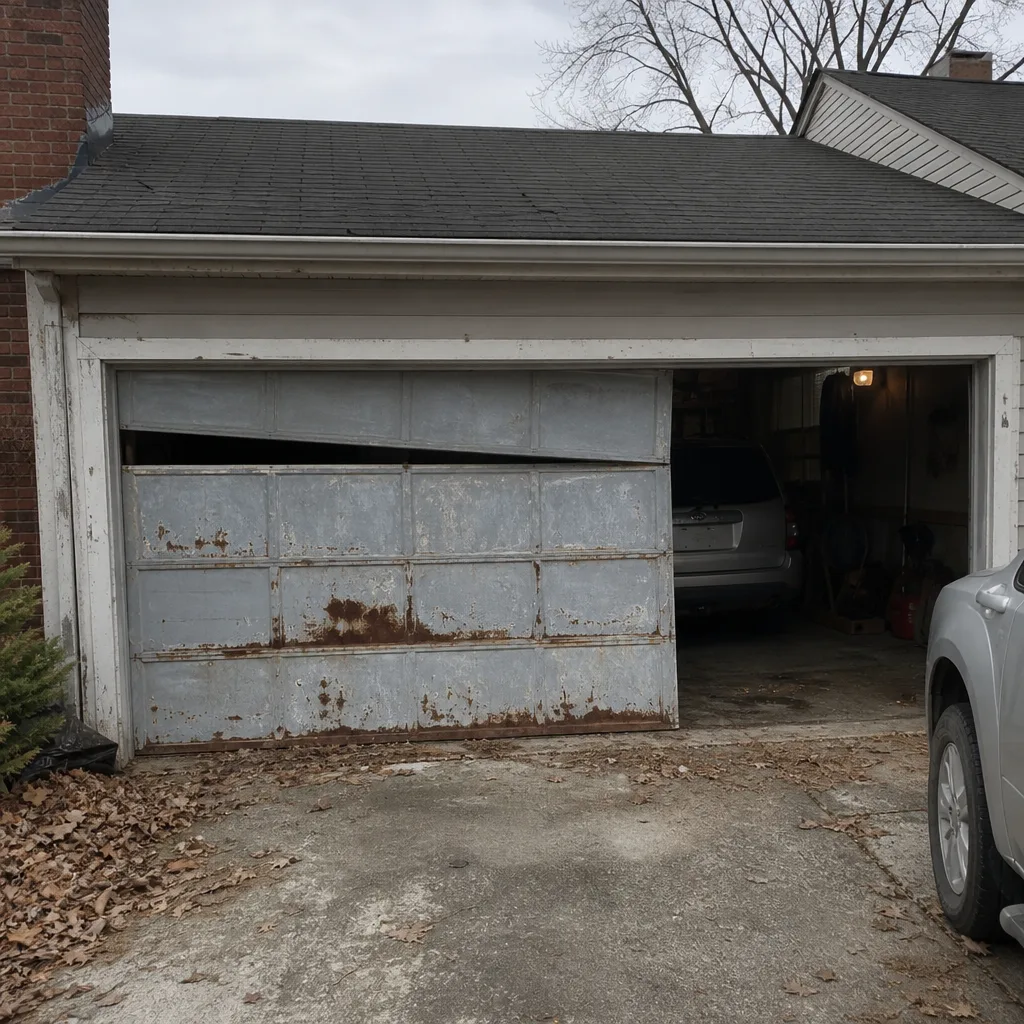 Before
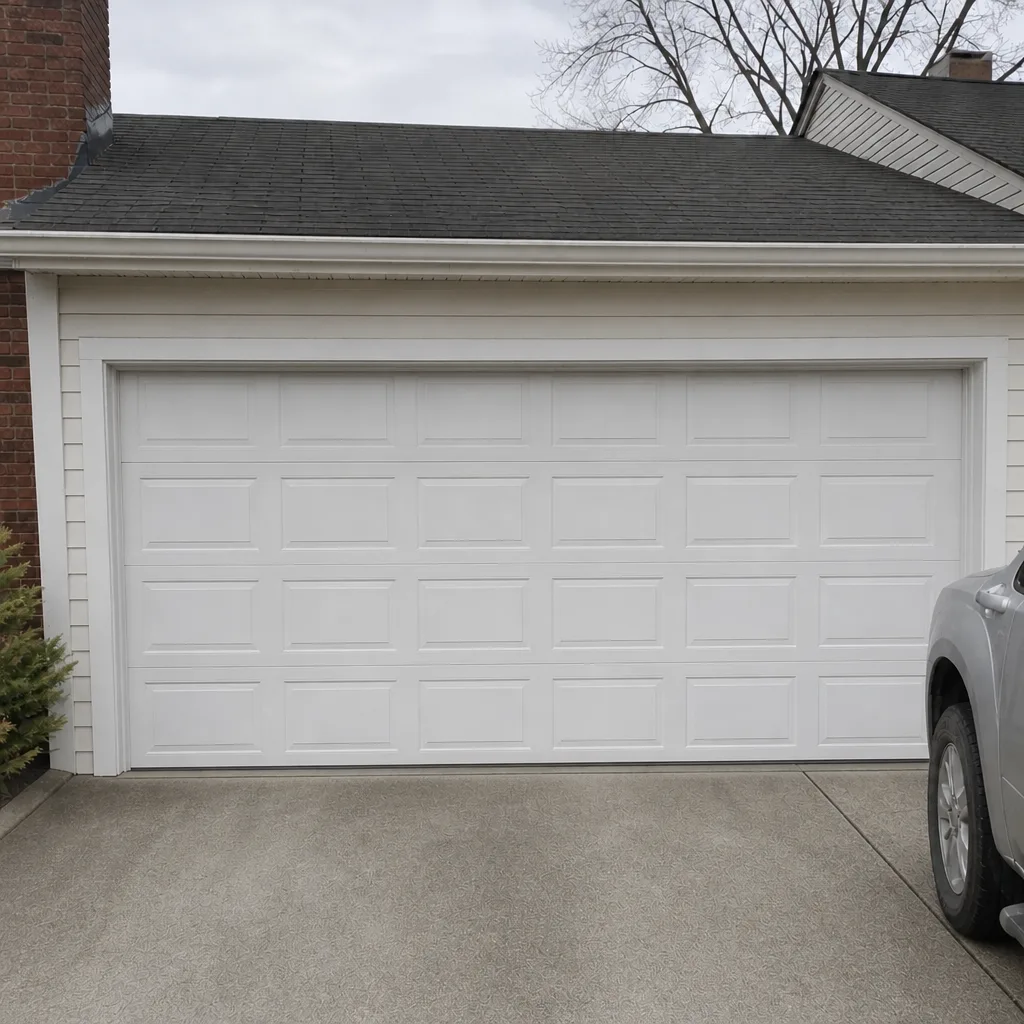 After
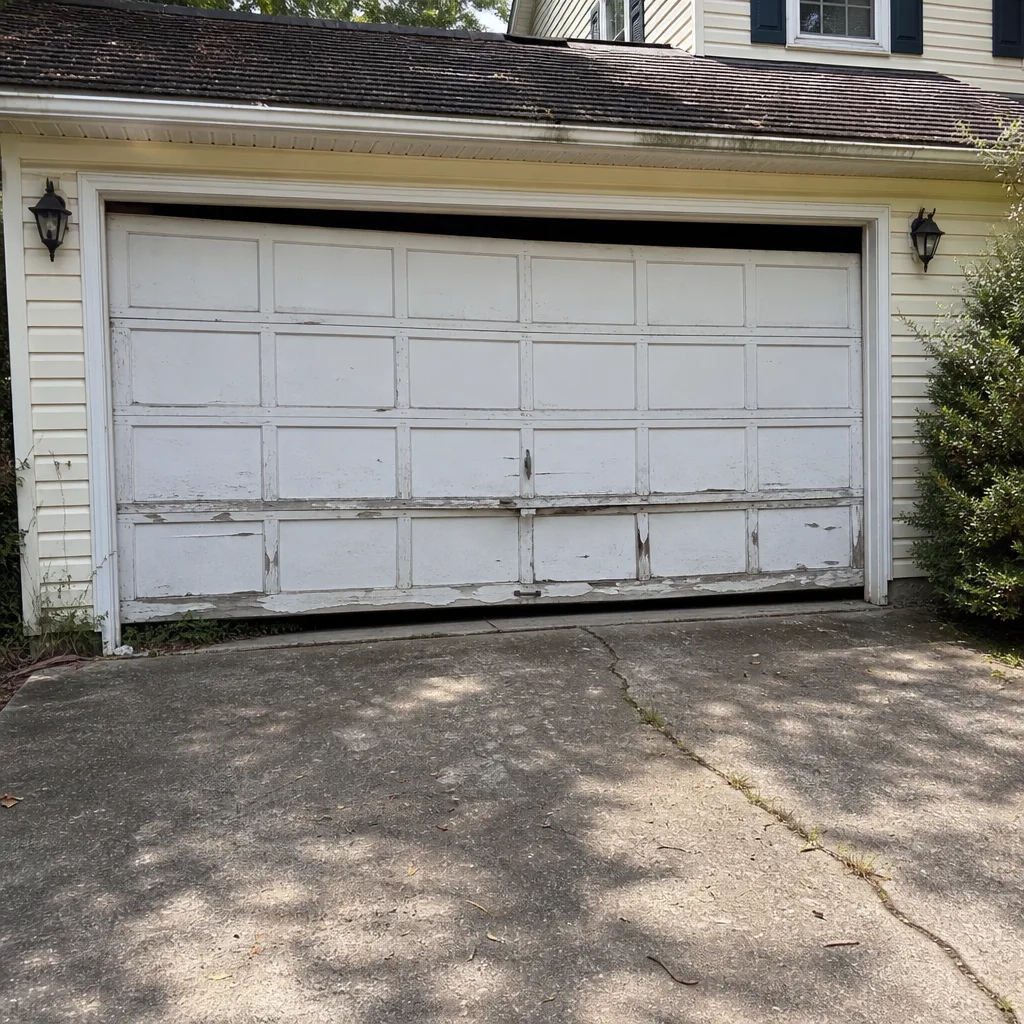 Before
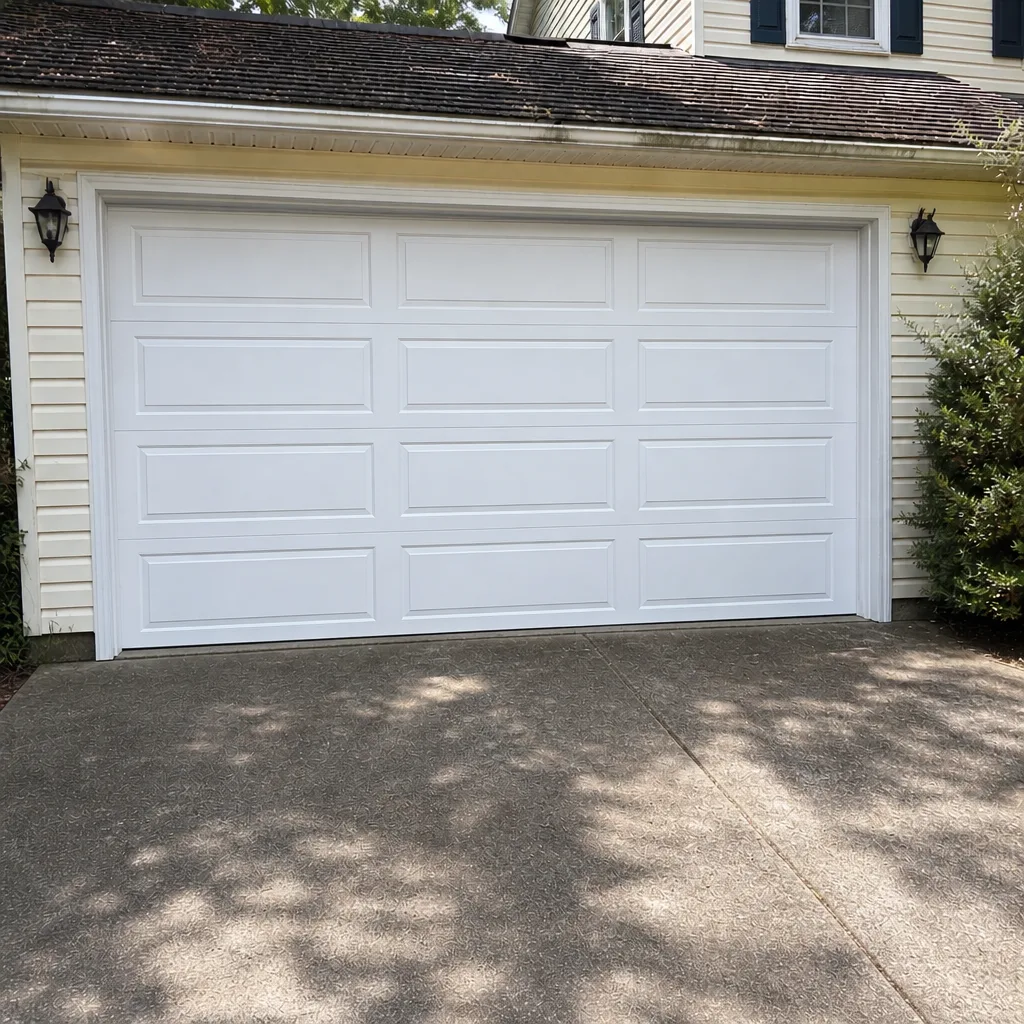 After
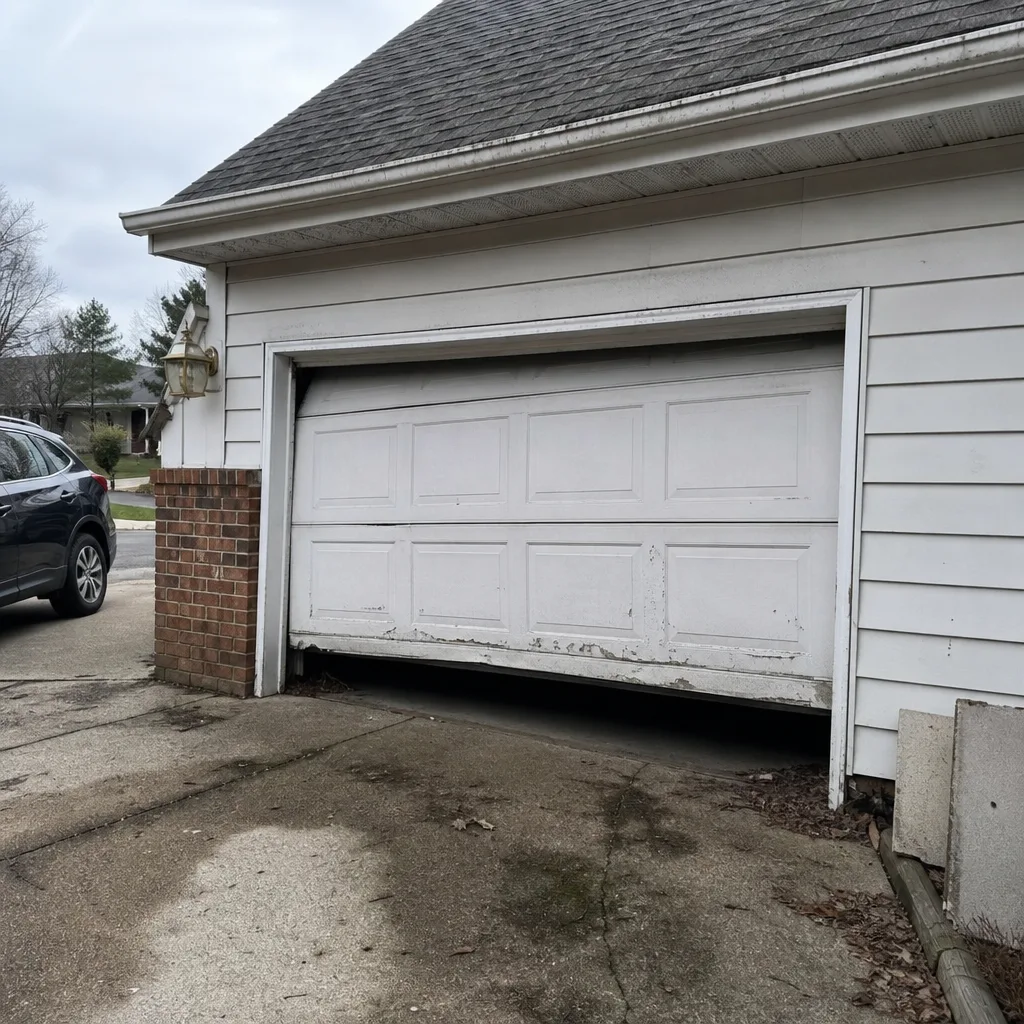 Before
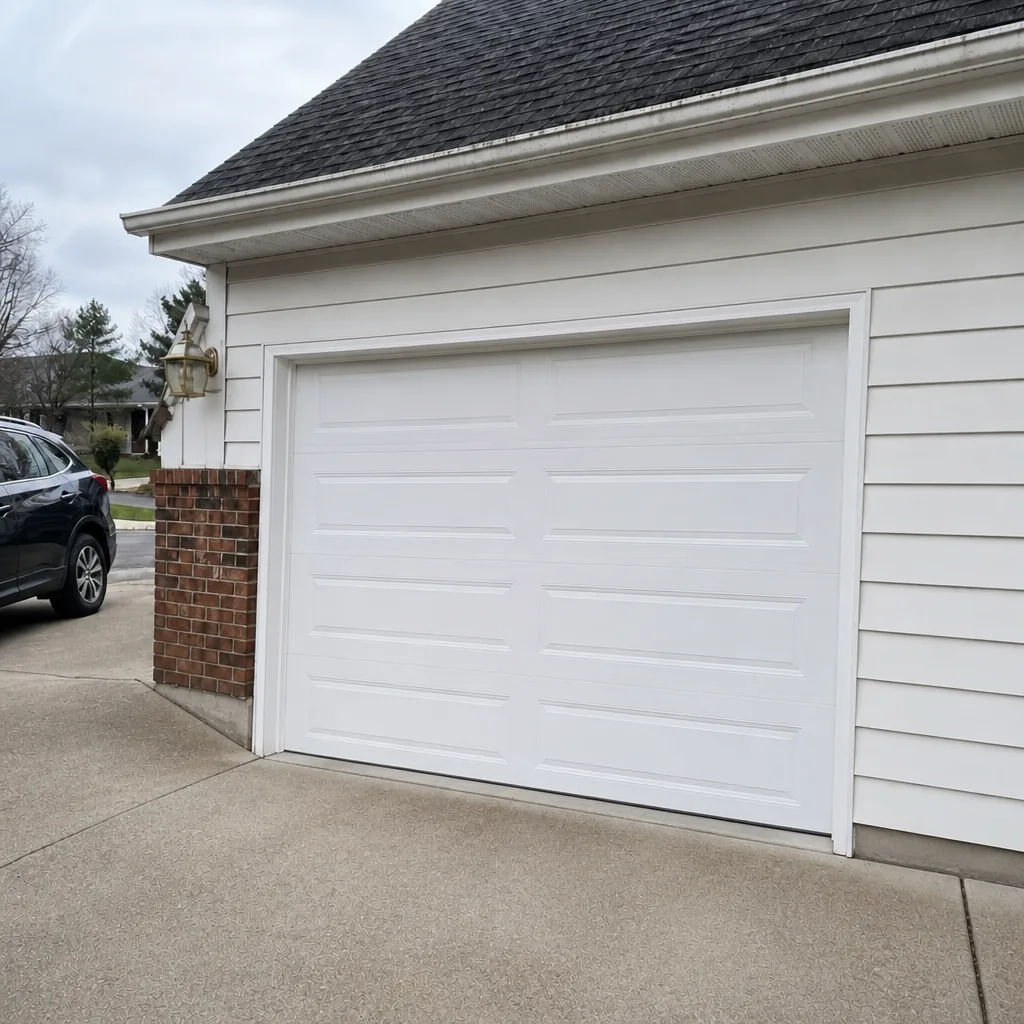 After
When to Call a Professional
Some maintenance is genuinely in your reach: lubrication, visual checks, the three tool-free tests, and record-keeping. Other jobs are not, and the line is clear. Call a professional for anything involving springs or cables, for a door that won’t reverse on contact, for a track that’s bent or a door that’s come off its track, and for any opener that’s misbehaving after the mechanical parts check out. If the door is noisy, binding or uneven, don’t wait for it to fail. Our technicians have up to 12 years of experience across eight major brands, and we work on the brand already in your garage. When your door won’t move, we will. McLean Garage Door Repair Pros offers free estimates in McLean. Call (844) 493-7480. We answer 24/7. Fast dispatch from 7am to 7pm, Sunday through Friday.
Frequently Asked Questions
Inspecting the springs first, because they carry the door’s weight and are the highest-risk component. A visible gap in a torsion spring, or a sudden loud bang from the garage, means the door should stay down until a technician sees it. Never test a spring by hand. Call (844) 493-7480 for an exact quote; estimates are free.
Use a lithium- or silicone-based lubricant on springs and hinges, and a light silicone spray on roller bearings. Avoid general-purpose sprays like WD-40’s standard formula on springs and rollers, because they strip the heavier lubricant and let grit in. Leave tracks clean and dry. Call (844) 493-7480 for an exact quote; estimates are free.
We answer 24/7, and we offer fast dispatch from 7am to 7pm, Sunday through Friday. A call outside dispatch hours is booked into the next opening, Sunday through Friday, 7am to 7pm. Same-day service is often possible for urgent failures. Call (844) 493-7480 for an exact quote; estimates are free.
Monthly, and again before the first freeze and before the first 90°F week. Place a small object in the door’s path and confirm it reverses on contact. If it doesn’t, stop using the door until it’s repaired, because the safety reverse is the main protection against a door closing on a person or pet. Call (844) 493-7480 for an exact quote; estimates are free.
The door and opener brand and model, the installation year, and a plain description of the symptom. Note every prior repair and maintenance date if you have them. This lets a technician diagnose faster, since LiftMaster, Chamberlain, Genie, Clopay, Amarr, Wayne Dalton, Craftsman and Raynor systems each have their own layouts. Call (844) 493-7480 for an exact quote; estimates are free.
No. The price is set per job by the written estimate, and it’s quoted and agreed before any work starts. The estimate is free, and there’s no service-call fee. Call (844) 493-7480 for an exact quote; estimates are free.
The Bottom Line
A good maintenance checklist is built around what fails in your climate and in what order. Springs first, then cables, rollers, tracks, and the opener last. Use a light, component-appropriate lubricant, never a general-purpose spray on springs and rollers, and keep tracks clean and dry. Run the balance, travel-force and auto-reverse tests monthly with no tools. Repeat the full check before the first freeze and before the first heat wave, and keep a simple record of what’s been done so a technician can diagnose quickly. For anything involving springs, cables, or a door that won’t reverse, call a professional. Call (844) 493-7480. We answer 24/7. Fast dispatch from 7am to 7pm, Sunday through Friday. Free estimates, and the written quote sets the price before work starts.
Written by the team at McLean Garage Door Repair Pros.