
Last updated November 23, 2026
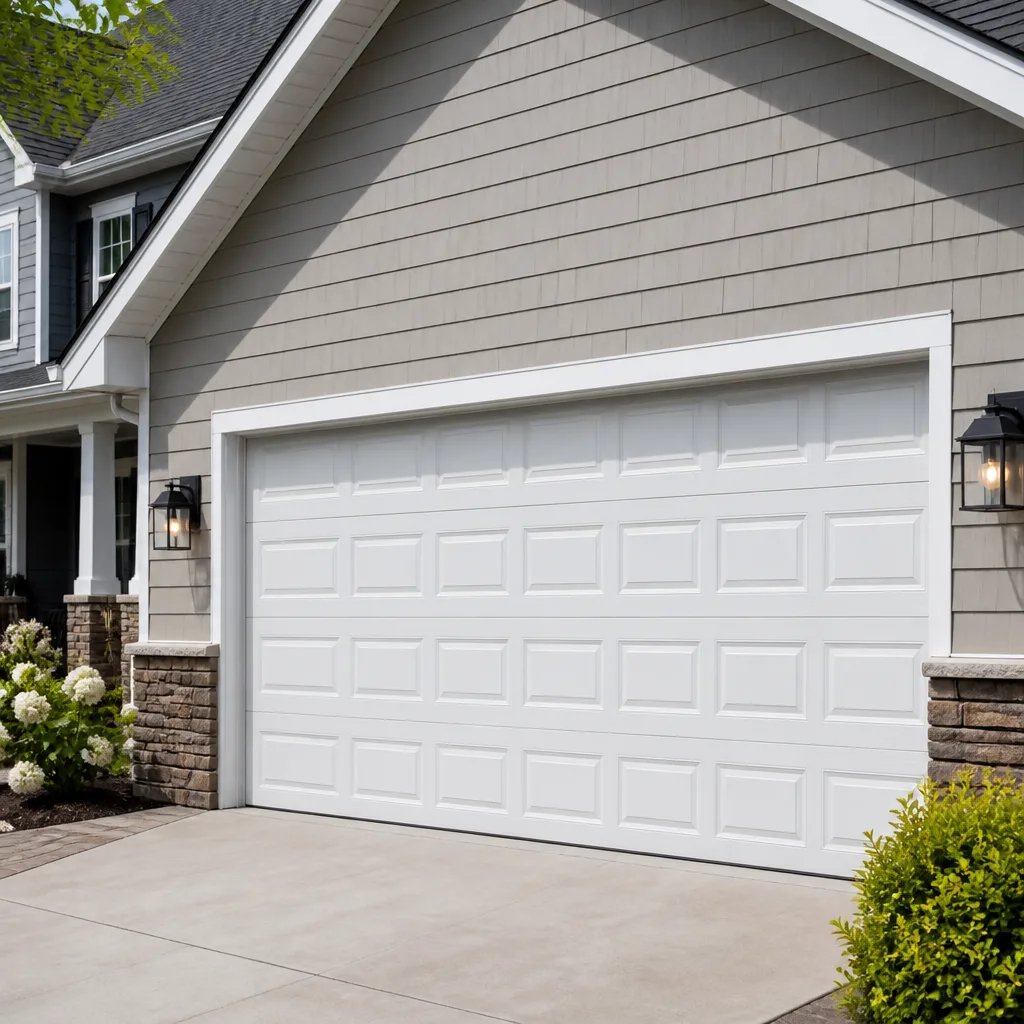 Raised-panel steel
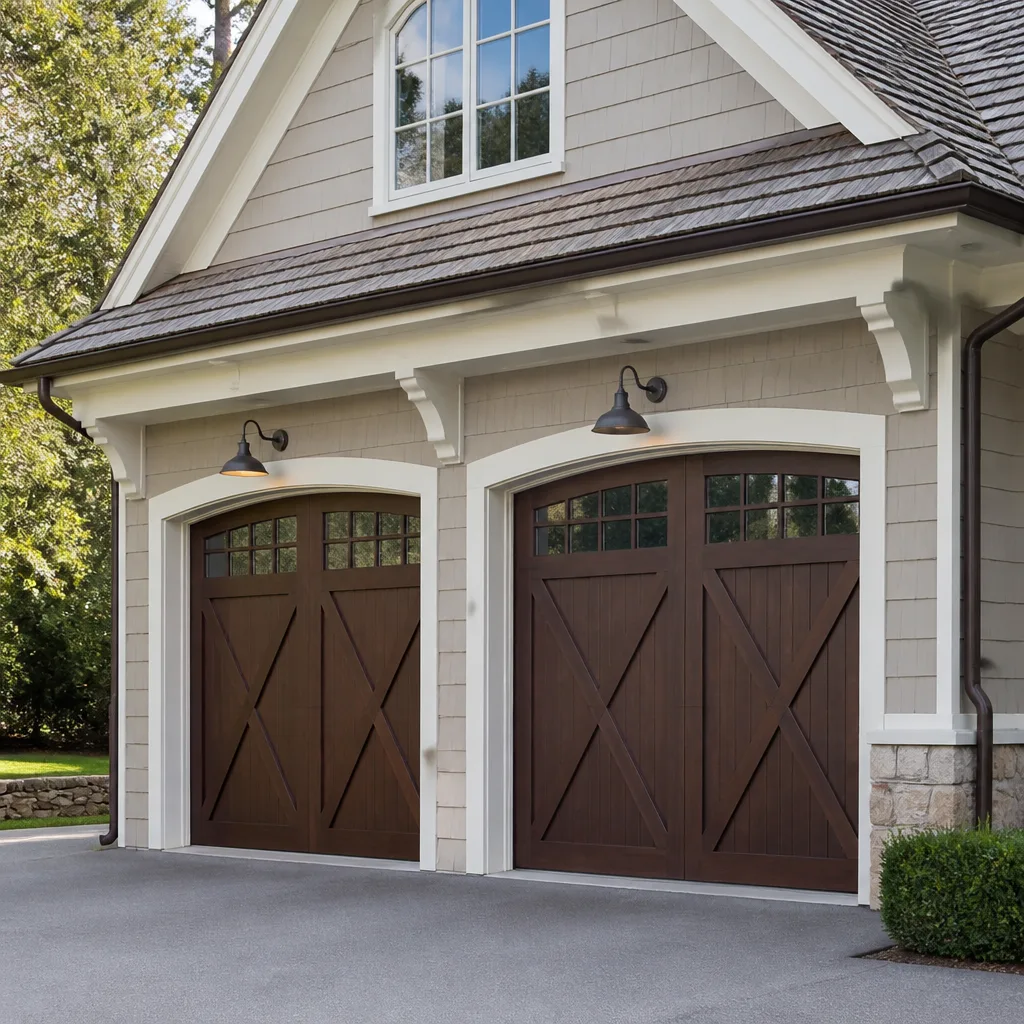 Carriage house
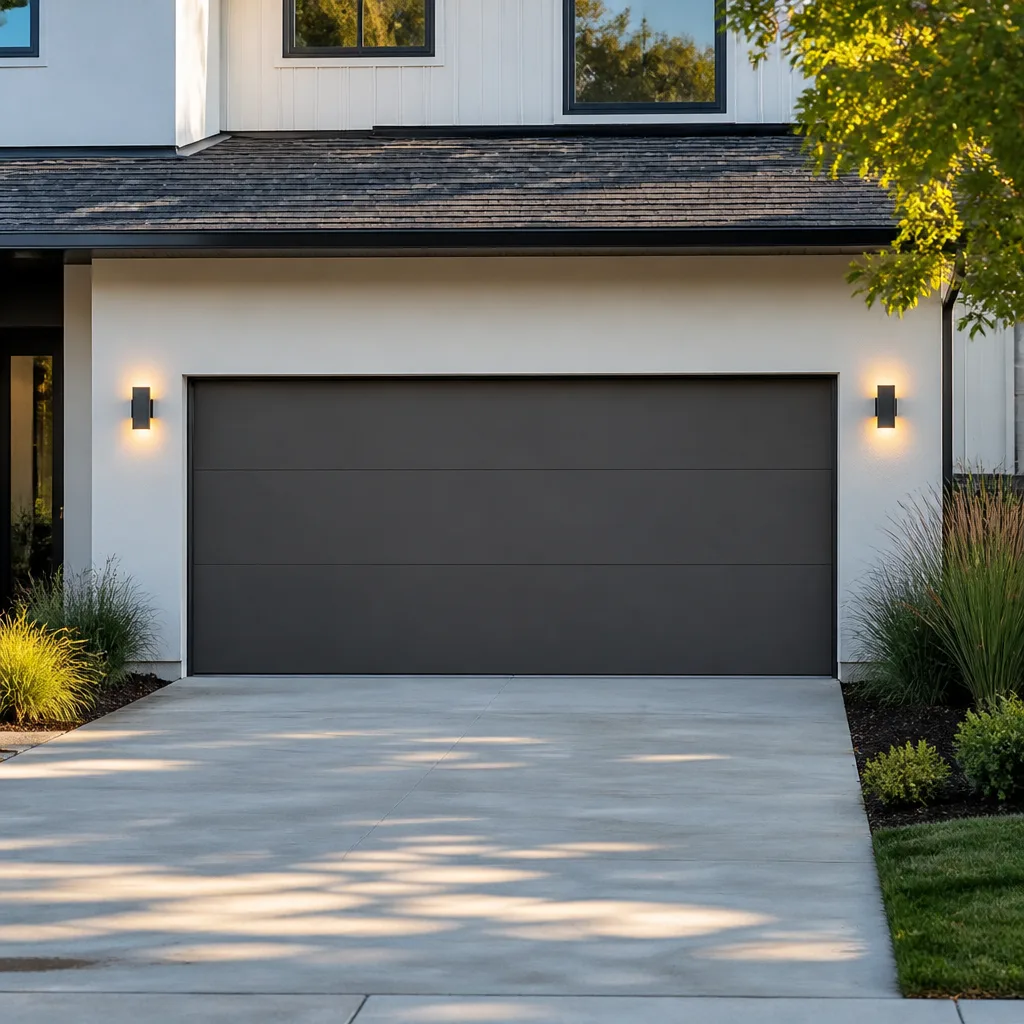 Modern flush
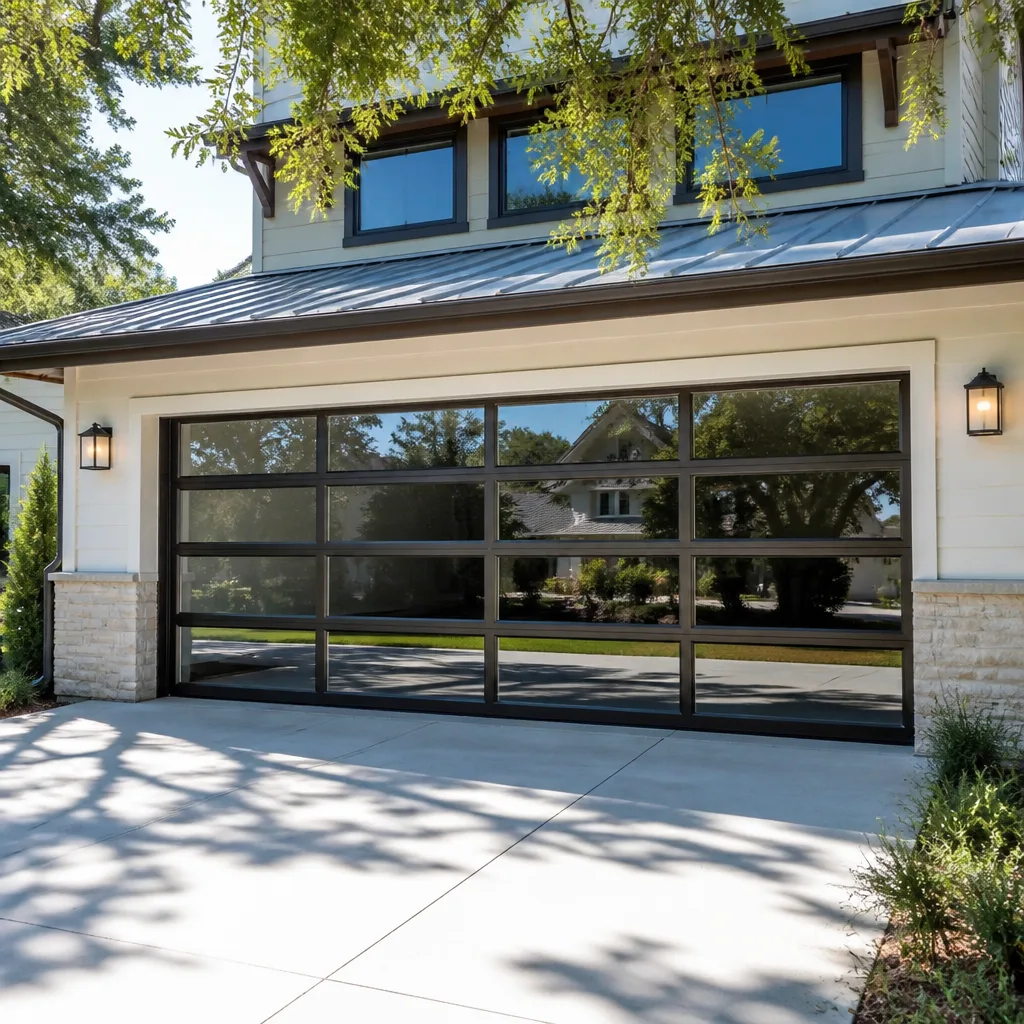 Full-view glass
 LiftMaster openers
 Chamberlain openers
Full 25-point door and opener safety check with every visit - springs, cables, rollers, tracks, and your LiftMaster or Chamberlain opener included
You get a price before we start. It does not change when the pro arrives.
Get your free estimateGarage Door Emergency Preparedness Guide for McLean Homes
Most McLean homeowners think their garage door emergency will involve a lost remote or a dead battery. In our experience, it rarely does. The calls that come in during a multi-day power outage are usually from people standing in a dark garage who can’t find the emergency release cord, or who found it and pulled it at the wrong point in the door’s travel, jamming the door in an open position with a car trapped inside. The difference between a two-minute inconvenience and a two-day problem is almost always preparation, not luck. This guide walks through how your door actually behaves in McLean’s storms and cold snaps, the release and backup procedures that work, and the three things to do before the next outage hits.
Quick Answer
To get a stuck garage door open during a power outage in McLean, pull the emergency release cord once, straight down and toward the door’s center, while the door is fully closed. Never pull it while the door is partway open, because the door can slam or jam and the cables can come off the drums. If the door is already open and stuck, or if a spring has snapped, don’t force anything. Call (844) 493-7480. We answer 24/7, and a specialist can talk you through the safest next step before fast dispatch from 7am to 7pm, Sunday through Friday.
Styles & brands we work with
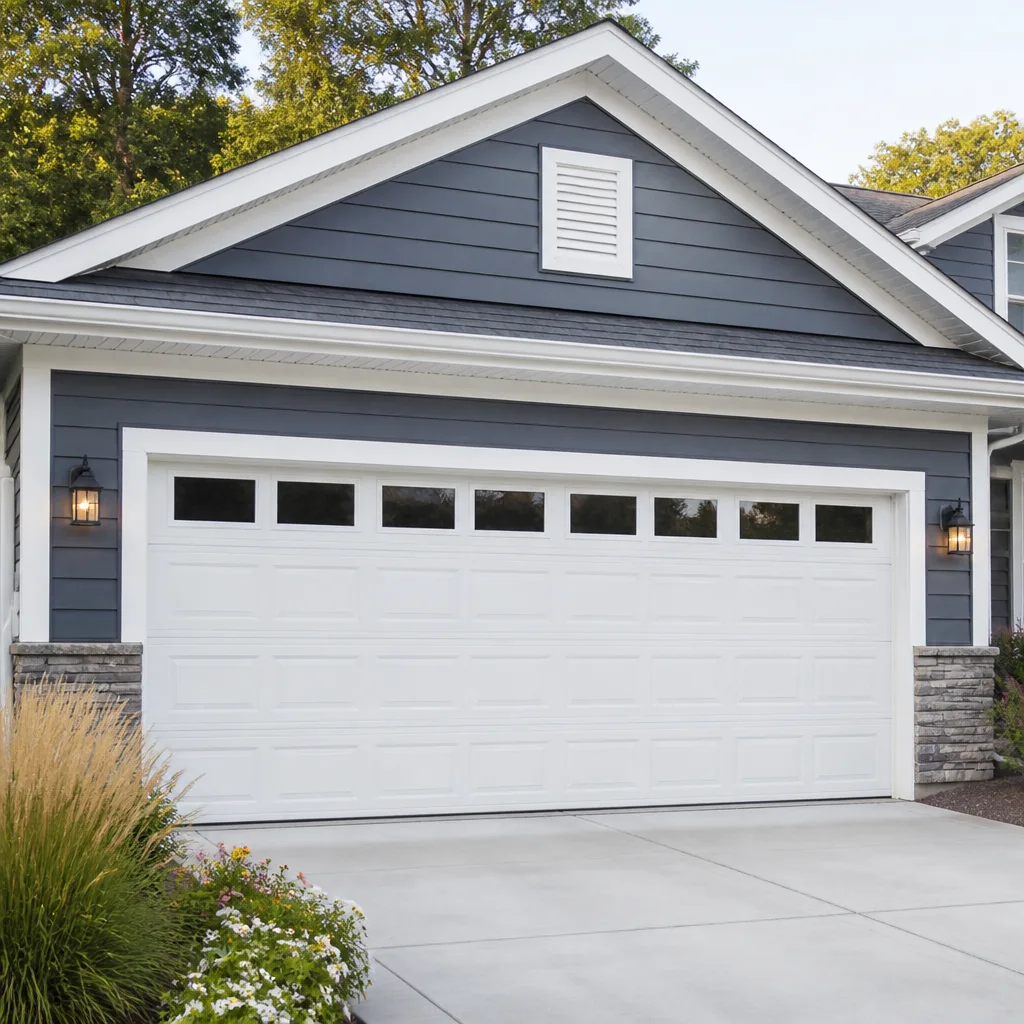
- Raised-panel steel
- Carriage house
- Modern flush
- Full-view glass
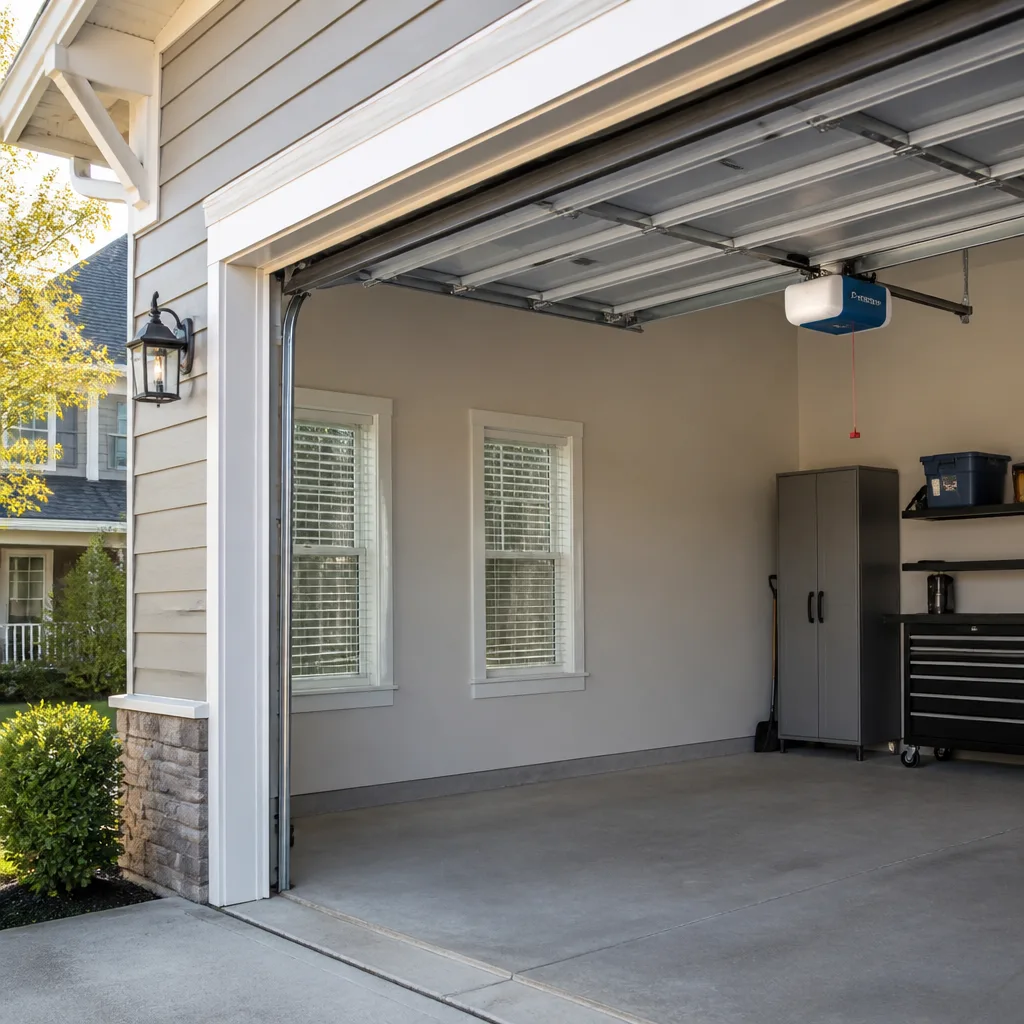
- LiftMaster openers
- Chamberlain openers
Table of Contents
- How Your Garage Door Actually Behaves in an Emergency
- The Manual Release Procedure, Step by Step
- Battery Backup: Which Openers Have It and What to Expect
- When a Spring Snaps at 7 a.m. on a Weekday
- Winter Emergencies: Frozen Seals and Ice-Bonded Tracks
- Three Things to Do Before the Next Storm or Outage
- What to Do and What Never to Touch
- How McLean Homes and Neighborhoods Change the Picture
How Your Garage Door Actually Behaves in an Emergency
The core problem with garage door emergencies is that the door is a balance system, not a simple door. The torsion spring or springs above the door hold most of the weight, and the opener only nudges it up or down. When power goes out, the opener stops, but the spring tension doesn’t care about your schedule. The door is either resting in a position the spring can hold or it isn’t, and that determines whether you can safely open it by hand.
Three failure modes account for nearly every locked-out call we get in McLean:
- Power loss with the door closed. The easiest scenario to resolve. The door is held shut by its own weight and can usually be released by hand.
- Power loss with the door open. The hardest. The spring is under full tension, and if the door is diagonal in the tracks, releasing it without control can crash it down.
- A spring failure that masquerades as an outage. The opener hums, the door moves six inches, and it stops. The motor isn’t dead; the spring is. This is a garage door spring repair problem, not an electrical one, and it’s the most dangerous of the three.
One thing McLean households should know: the vast majority of doors in this area are torsion-spring systems mounted above the door on a horizontal shaft, not the older extension-spring style running along the tracks. That matters because the manual release procedure, and the risks you take, are slightly different from doors with extension springs. Most openers in the area are LiftMaster or Chamberlain units with battery backup, though plenty of homes still run a Genie or an older Craftsman model with none. We work on the brand already in your garage, so we can tell you exactly how your unit behaves – and your garage door opener repair calls in McLean are handled by technicians who know the difference.
The Manual Release Procedure, Step by Step
The emergency release cord is the red T-handle hanging from the trolley, where the opener arm meets the rail. Pull it once and the opener disconnects from the door, which lets you lift the door by hand. The catch is the timing: pull the cord when the door is fully down, and lifting is manageable. Pull it when the door is partway open, and you’re holding a spring’s worth of tension with your arms.
Here’s the safest sequence for a closed door during a power outage:
- Confirm the door is fully closed. Look for the door sitting flat on the floor, not hovering. A partially raised door needs help, not a release cord.
- Disengage the opener if possible. On most LiftMaster and Chamberlain openers, the release isn’t available when the opener is running a cycle. Wait for the motor to stop humming.
- Pull the cord straight down, toward the door’s center. Pulling at an angle crosses the trolley and can wedge it.
- Lift the door by hand, using the bottom panel’s center handle. Lift evenly, and hold the door up only if the spring is functional enough to hold it. If it feels heavy or won’t stay, lower it slowly and stop.
- Re-engage the opener before you drive away. Push the trolley back toward the opener and hook it, or run the opener once after power returns.
The mistakes that make it worse are the ones we see most:
- Pulling the release cord while the door is open. Most of the jammed-in-open calls we get start this way. The door can drop on a car, a child, or a pet.
- Lifting a door that has a snapped spring. It can feel nearly immovable, and forcing it damages the cables and the drums.
- Leaving the opener disengaged and then running it. The trolley and the door arm can collide.
- Trying to force the door up by hand when the tracks are bent. A bent track will cut a cable or tear the hinges.
If the door won’t lift evenly or feels far heavier than it should, stop. Call (844) 493-7480. We answer 24/7, and we can tell you whether it’s a release issue or something a technician needs to handle.
Battery Backup: Which Openers Have It and What to Expect
Battery backup for a garage door opener is a small rechargeable pack mounted inside the head unit, and it lets the motor run a handful of cycles after the power goes out. LiftMaster and Chamberlain both offer it as a standard feature on many newer units under their “myQ” line, and as a retrofit kit for older openers. Genie has a similar system on some of its units. If you’re not sure whether yours has one, look for a battery-shaped compartment on the back or bottom of the housing.
Runtime expectations during a Nor’easter-style outage in McLean:
- Cycle count, not hours. A backup battery typically delivers enough charge for several open-close cycles, not continuous operation for a full day. Plan your trips in and out accordingly.
- Recharge time. Once power returns, the pack recharges itself from the opener’s normal circuit. It doesn’t need a separate charger.
- Cycle life. The pack degrades over a few years, similar to any rechargeable battery. If your backup survives only one cycle, it’s probably on its last legs.
- Retrofit. On most LiftMaster and Chamberlain heads, the backup pack plugs into a factory connector and takes a few minutes to install. On some older units or other brands, retrofitting isn’t practical.
A battery backup isn’t a guarantee. It’s a buffer that buys you time to find the release cord, the car keys, and the flashlight. If your unit doesn’t have one, or the pack has aged out, the manual release procedure above is your fallback – and a good reason to call and ask about a replacement unit before the next storm. We work with LiftMaster, Chamberlain, and Genie regularly, so we can tell you whether your specific head unit supports a backup and what a retrofit involves.
When a Spring Snaps at 7 a.m. on a Weekday
A snapped spring announces itself with a bang that echoes through the house, and the door suddenly feels far heavier than it should. The opener may run but the door won’t move, or it moves a foot and stops. You’re midway through a weekday morning, the car is inside, and you need to get to work. The good news is this is a recoverable situation. The bad news is that the wrong move – forcing the door – can bend the tracks, snap the cables, and turn a spring repair into a full-door replacement.
Here’s how to handle a spring failure safely, and how to get a car out.
- Stop running the opener. Every cycle strains the good spring and the opener’s gear and logic board. Once you’ve confirmed the spring is gone, leave the opener off.
- Do not pull the release cord while the door is open. With one spring gone, the remaining spring and the door’s unbalanced weight can cause a sudden drop.
- Get the car out on foot, if you can. Use a secondary exit. If the garage is your only exit, the door needs to be lifted carefully by a trained technician, not by hand.
- Don’t prop the door with a board, a broomstick, or a cinder block. These fail under a door’s weight, and the result is injury or a crushed car.
- Call for spring repair. A technician will release the remaining spring tension with the proper winding bars and replace both springs, not just the broken one, so they wear evenly.
This is where trained technique matters. Torsion springs are wound with bars and held with cables under serious tension – a spring repair is not a DIY job, and it’s the one place a general handyman shouldn’t go. A spring that snaps and damages a cable can also do damage inside the drums, which is why we replace both springs and check the cables and bearings on the same visit. Call (844) 493-7480. We answer 24/7. A call outside dispatch hours is booked into the next opening, Sunday through Friday, 7am to 7pm. A price is quoted and agreed before any work starts, so there’s no surprise invoice afterward.
Winter Emergencies: Frozen Seals and Ice-Bonded Tracks
McLean winters are mild enough that most homeowners don’t think about their garage door until the first hard freeze. That’s when the bottom seal – the rubber or vinyl strip along the bottom panel – welds itself to the concrete floor overnight, and the door won’t lift. Forcing the opener in this state is a reliable way to strip the opener’s gear or bend the bottom panel, and it’s a fix that costs far more than the freeze.
The right way to free a frozen door, and the wrong ways:
- Break the ice-bond first. A garden trowel or a plastic scraper run gently along the bottom seal, or warm water (not boiling) poured along the seam, will loosen the seal without damaging the panel.
- Never pour hot water on the glass or the tracks. Thermal shock can crack a window panel, and water that refreezes inside the track makes the next morning worse.
- Ice-bonded tracks are a different problem. If the door’s hinges or rollers are frozen to the track, don’t hit them with a hammer. A mallet, applied gently to the track’s outer edge, can free it, but a bent track needs a technician.
- Don’t run the opener repeatedly on a frozen door. Each cycle strains the gear and the logic board. If the door doesn’t lift on the first try, stop and free it by hand.
- De-icer or sand, not salt and not antifreeze. Nothing with glycol or a de-icing salt that corrodes the bottom seal. Plain sand gives traction without the corrosion.
In our experience, a big share of the winter calls we get in McLean are the same story: the door was fine until the bottom seal froze, the owner hit the opener, and the door came up with a cracked panel or a stripped gear. The fix is usually a bottom seal and a check of the operator. The prevention is a quick wipe of the bottom seal with a silicone spray before the first freeze, and a check that the weatherstripping is intact and seated.
Three Things to Do Before the Next Storm or Outage
Garage door emergencies in McLean are easier to survive the more you prepare before the storm, not after. The three things below take an afternoon, and they turn most of the scenarios above into a two-minute inconvenience instead of a two-day problem.
- Find and test the manual release cord. Locate the red T-handle now, before there’s an outage. Make sure the cord is long enough to reach and isn’t tangled in the door’s arm. Do not pull it under tension – just confirm it’s reachable. If you have a LiftMaster or Chamberlain opener, the release is usually the red handle on the trolley; on a Genie it may be a green or red handle at the same spot.
- Check your battery backup, or add one. If your opener takes a backup pack, confirm the pack is charged and holds more than one cycle. If it doesn’t, ask a technician whether your unit supports a retrofit. On most LiftMaster and Chamberlain units, the answer is yes.
- Clear the track and seal before the freeze and the storm. Wipe the bottom seal with silicone spray, clear debris from the tracks, and check that the door reverses properly on the safety sensors. This is the one step that prevents most winter emergencies in McLean before they start.
Two more, if you have the time:
- Keep a small flashlight and a manual release tool near the opener. A garage door release can require a hook or a short lever, and the opener’s housing is the worst place to hunt for one in the dark.
- Know your system’s brand and model. If there’s a sticker on the opener head or inside the box, note the brand and model. It saves time on a repair call – and if you’re calling with a Genie, a LiftMaster, or a Chamberlain, we can usually tell you what’s likely wrong before we arrive.
None of this is about being ready for disaster. It’s about making the everyday failures (spring snaps, opener failures, a dead battery) less disruptive. The most prepared McLean homeowners are the ones who know the door’s release procedure and have their battery backup checked once a year.
What to Do and What Never to Touch
A garage door is a machine under constant tension, and some of its parts can hurt you if you handle them wrong. The two components to respect most are the torsion springs and the cables. Both are under load whenever the door is up, and both can fail violently if mishandled. Leave them to a trained professional.
The safe moves, and the ones to avoid:
- Do use the emergency release cord only with the door fully closed, and only to free a car or to lift the door by hand.
- Do call a technician for a snapped spring, a door that won’t stay up, or a door that drops suddenly.
- Don’t force the door with your hands, a pry bar, or a broomstick. Forcing a jammed door damages the tracks, the cables, and sometimes the person doing it.
- Don’t try to adjust, wind, or unwind the torsion springs or the cables. The tools for this are specific, and the tension in a wound spring is not something to test. A spring repair requires winding bars and training.
- Don’t disable or remove the safety sensors. The door’s auto-reverse function is a safety feature, and a door that doesn’t reverse when something is in its path is a hazard.
- Don’t stand under a door that’s been forced. A door that has been pushed, jammed, or landed hard can drop without warning.
The line you’ll hear from us is a simple one: pulling the release cord and lifting the door by hand is safe when the door is closed and balanced. Touching the springs, the cables, or the drums is not. When in doubt, stop and call. We answer 24/7, and we can tell you over the phone whether the situation is a quick fix or one that needs a technician. If you’re dealing with a door that has been forced or a track that’s bent, garage door repair in McLean is a specialist job, not a general handyman one.
How McLean Homes and Neighborhoods Change the Picture
McLean isn’t a single kind of housing stock. The older homes around Langley and Chesterbrook often have double-car doors with extension springs and older openers – probably a Genie or a Craftsman – while newer construction and renovations in the Franklin Park and Salona areas usually have torsion systems with a LiftMaster or Chamberlain opener, often with battery backup already installed. The age of the door and the brand of the opener matter because a 20-year-old opener responds differently to a power failure than a unit installed in the past decade.
Winter also hits McLean unevenly. The northern, wooded parts of town around Langley and the Potomac-side homes near Salona and Franklin Park tend to hold more moisture and freeze sooner than the more open lots to the west. If you’re in a low-lying or shaded spot, the bottom seal and the tracks freeze earlier and stay frozen longer, and a quick silicone wipe before the first freeze is the difference between a door that opens and a door that doesn’t.
One more local reality: during a Nor’easter or a multi-day power outage, the phone line at a garage door company gets busy. The homeowners who have already located their release cord and confirmed their battery backup get their door open in minutes. The ones who haven’t call in a panic and wait for a technician. That’s the whole point of this guide. You don’t need to become a garage door expert. You need to know where the red handle is, when to pull it, and who to call when the door won’t behave.
Common Mistakes to Avoid
- Pulling the release cord while the door is partway open. This is the single most common cause of a jammed-in-open garage door in McLean. The door can drop suddenly, and the trolley can lose its position in the track.
- Running the opener on a door with a snapped spring. Each cycle strains the good spring and can strip the opener’s gear. Once you hear the bang of a spring failure, stop using the opener.
- Forcing a frozen door with the opener. A frozen bottom seal or ice-bonded track will break the door before it will open. Free the ice by hand first.
- Assuming the battery backup is working. A backup pack that’s a few years old may only hold one cycle. Test it once a year, ideally before storm season.
- Leaving the opener disengaged after a manual release. The door and the trolley can collide on the next cycle. Re-engage the release before you leave.
- Calling a general handyman for a spring or cable problem. Torsion springs and cables require specific tools and training. A general contractor shouldn’t be winding a spring.
- Not knowing the brand of your opener. On a repair call, knowing whether you have a LiftMaster, a Chamberlain, a Genie, or a Craftsman saves time and avoids the wrong parts. Check the sticker on the head unit now, before you need it.
See the difference
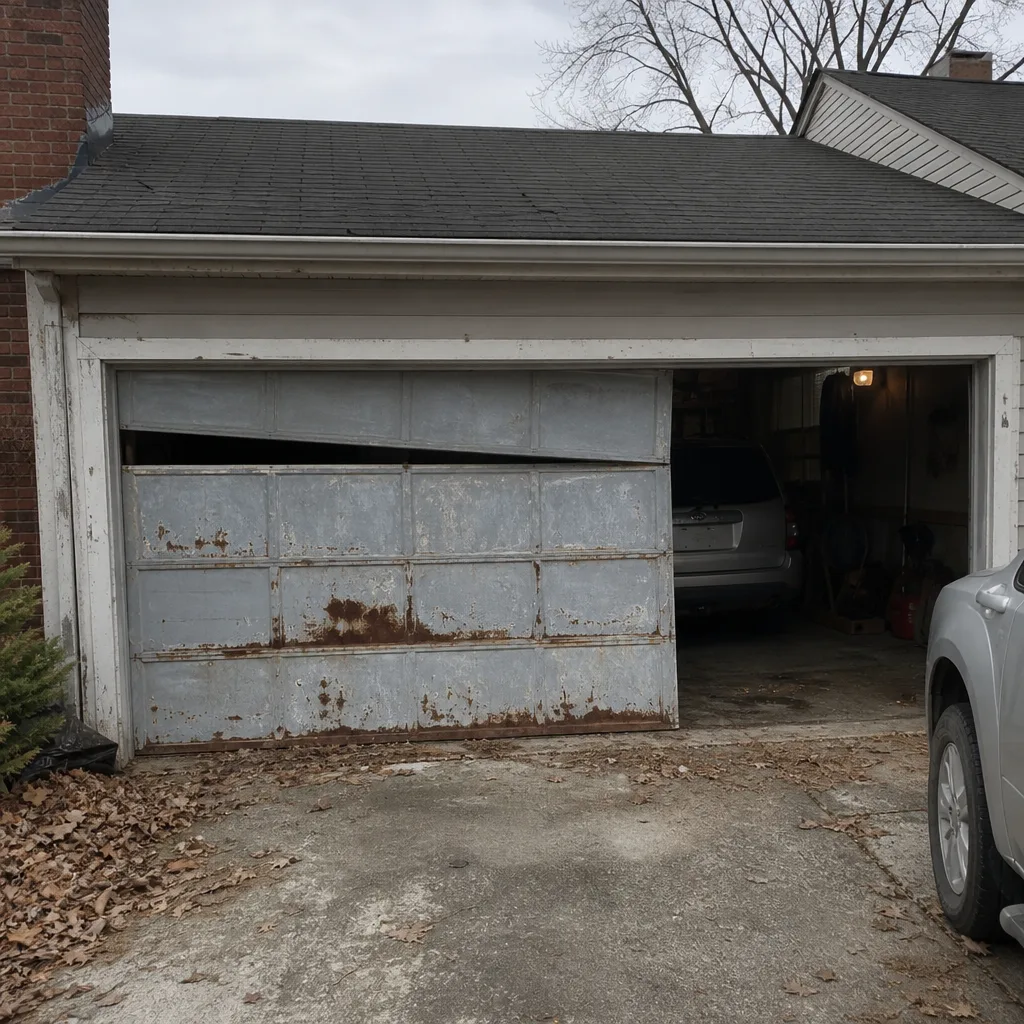 Before
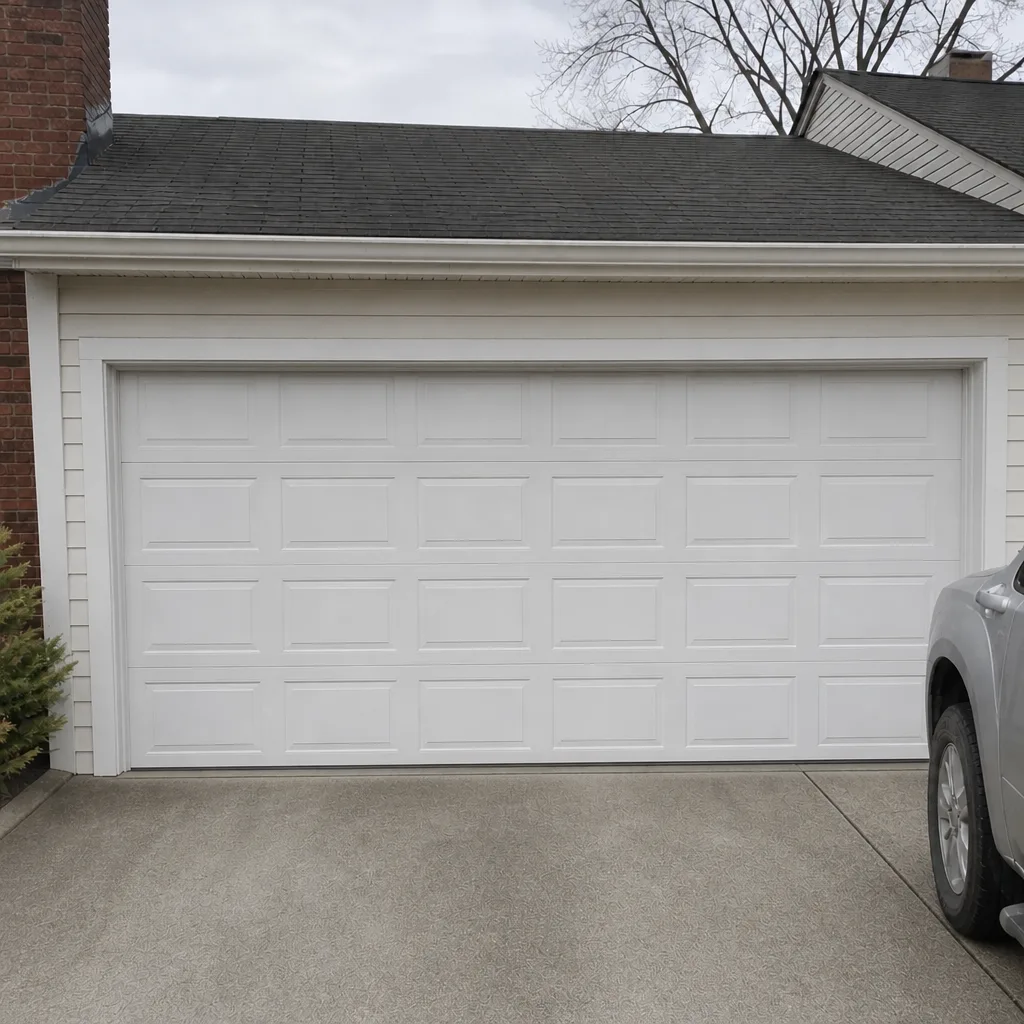 After
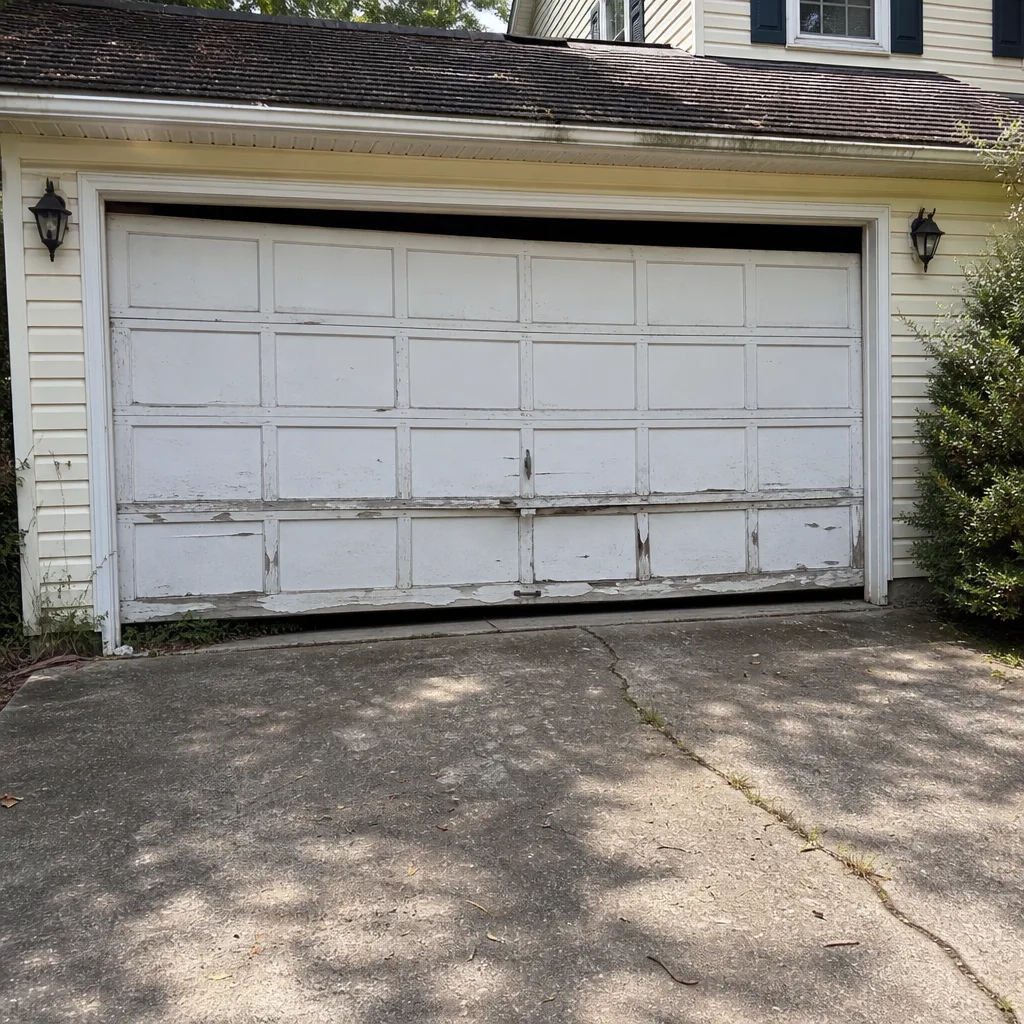 Before
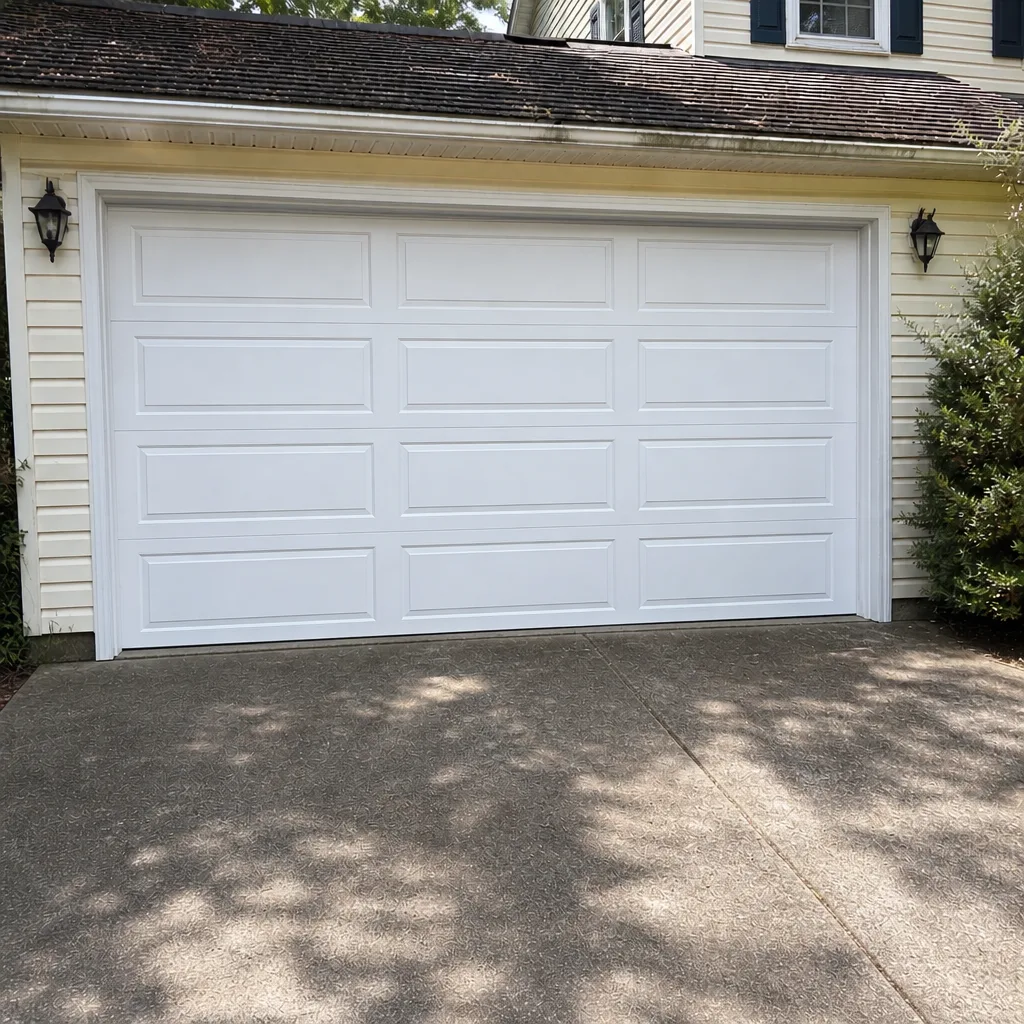 After
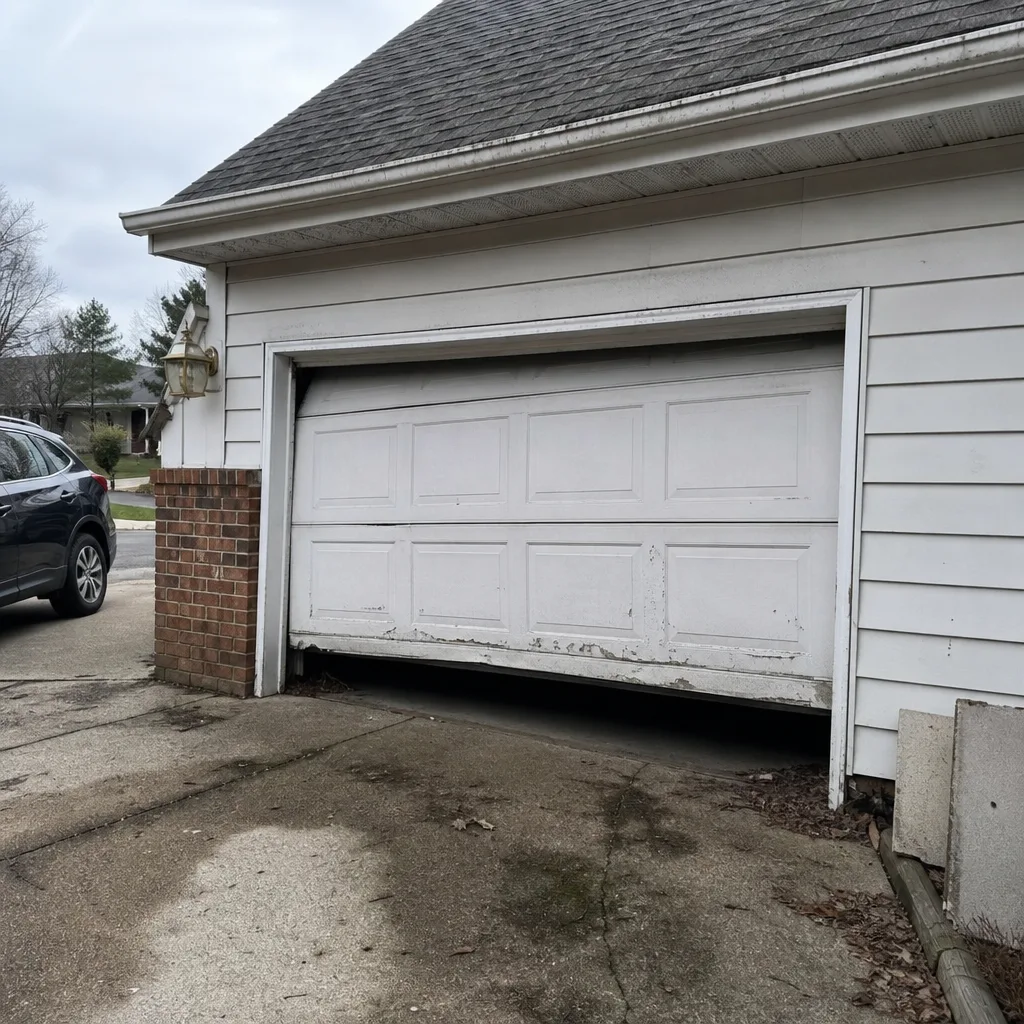 Before
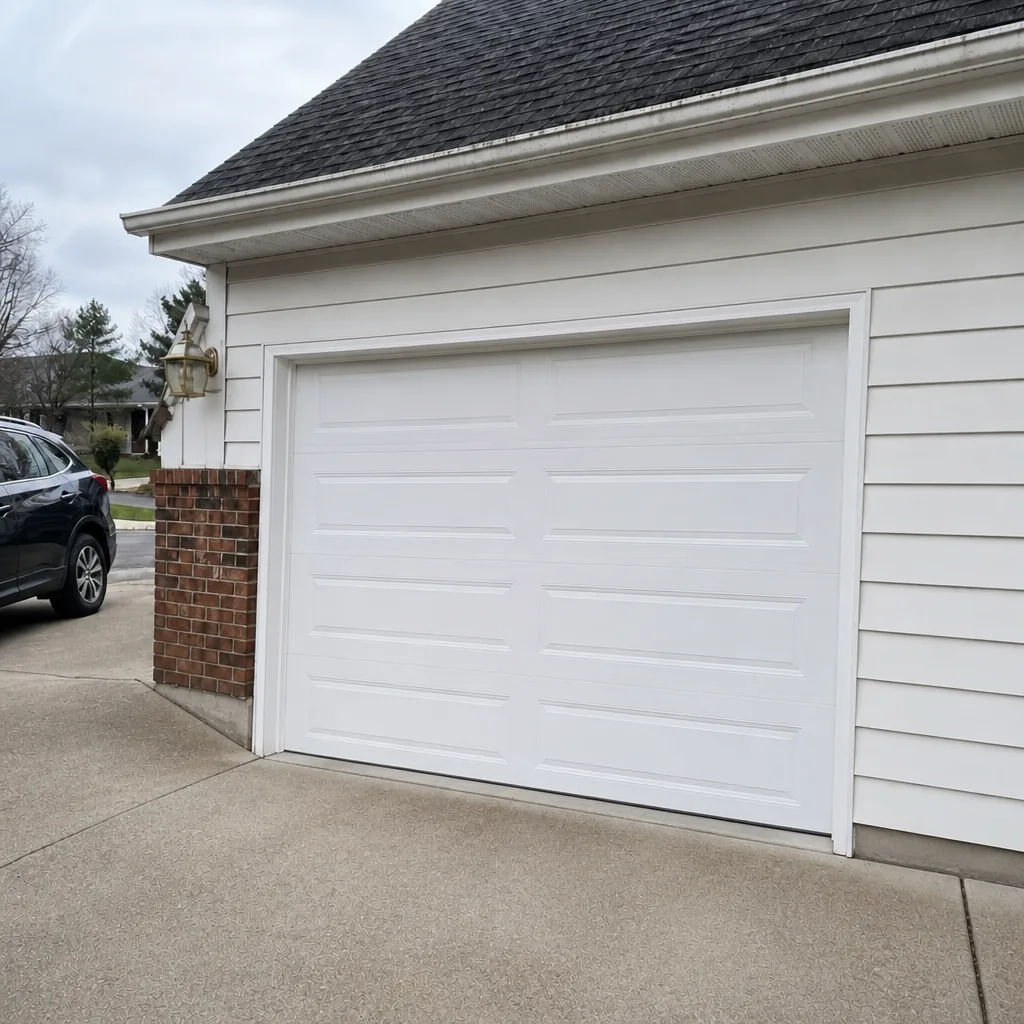 After
When to Call a Professional
Some garage door problems are a quick fix by phone. Others need a technician, and knowing the difference is half the battle. Call us if any of the following are true: a spring has snapped or the door won’t stay up; the door drops or slams when you release it; a cable has come off the drum or is visibly slack; the tracks are bent or a roller has come out; the opener runs but the door doesn’t move, or the motor hums and stops; the door reverses or stops when it shouldn’t; or a car is trapped and you can’t safely free it. We answer 24/7, and fast dispatch from 7am to 7pm, Sunday through Friday, gets a specialist to your door. We work on the exact system in your home – LiftMaster, Chamberlain, Genie, Clopay, Amarr, Wayne Dalton, Craftsman, and Raynor – and the price is quoted and agreed before any work starts. McLean Garage Door Repair Pros offers free estimates in McLean. Call (844) 493-7480. Our technicians have up to 12 years of experience, and we only do garage doors, so the diagnosis is specific to your system, not a generic guess.
Frequently Asked Questions
Don’t pull the release cord while the door is open – that’s the single biggest cause of a jammed door. Instead, leave the door in position, check whether the opener has a battery backup, and wait for power to return if the door is secure. If the door is open and you need it closed for security, call (844) 493-7480. We answer 24/7, and a specialist can talk you through whether it’s safe to lower the door by hand. If the door is stuck open and the spring has failed, don’t force it.
Pull the emergency release cord (usually red) once, straight down toward the door’s center, while the door is fully closed. Then lift the door by hand from the bottom panel’s center handle. If it feels heavy or won’t stay up, lower it slowly and call (844) 493-7480 – that usually means a spring or cable problem, not a dead opener. Re-engage the trolley before you use the opener again.
Many newer LiftMaster and Chamberlain openers have one, and some Genie models do too. Look for a battery-shaped compartment on the back or bottom of the opener head. If you’re not sure, call (844) 493-7480 and we can help you identify your unit. If your opener supports a backup and doesn’t have one, a retrofit may be an option, and that’s worth knowing before the next storm.
No. Torsion springs are under high tension and require winding bars and specific technique, and a spring repair done wrong can cause serious injury or damage the cables and drums. This is a job for a trained technician. Call (844) 493-7480. The price is quoted and agreed before any work starts, so you know the cost before the repair begins.
Free the bottom seal or track with a gentle tool (a garden trowel or plastic scraper) or warm – not boiling – water along the seam. Never run the opener repeatedly on a frozen door; each cycle strains the gear. If the door is ice-bonded to the tracks and won’t come free, stop and call (844) 493-7480. A bent track from forcing the door is a much bigger repair than a frozen seal.
Often, yes. We answer 24/7, and fast dispatch from 7am to 7pm, Sunday through Friday, gets a technician out to most same-day repairs. A call outside dispatch hours is booked into the next opening. Call (844) 493-7480 for a free estimate and an agreed price before any work starts.
The Bottom Line
Most garage door emergencies in McLean are survivable and most are preventable. The single most valuable thing you can do is locate your emergency release cord and the brand of your opener before you need them. The second is to test your battery backup before the next power outage. The third is to respect the springs and cables, which are not a DIY fix. The rest is knowing who to call when the door won’t behave. A trained specialist can diagnose your exact system – LiftMaster, Chamberlain, Genie, or any of the brands we work on – and repair it the first time. From there, the door does its job, and you get back to yours.
If a door has failed on you, or if you want a pre-storm check, call McLean Garage Door Repair Pros at (844) 493-7480 for a free estimate. We answer 24/7. Fast dispatch from 7am to 7pm, Sunday through Friday. The price is quoted and agreed before any work starts, and the written estimate sets the final price.
Written by the team at McLean Garage Door Repair Pros.