
Last updated November 23, 2026
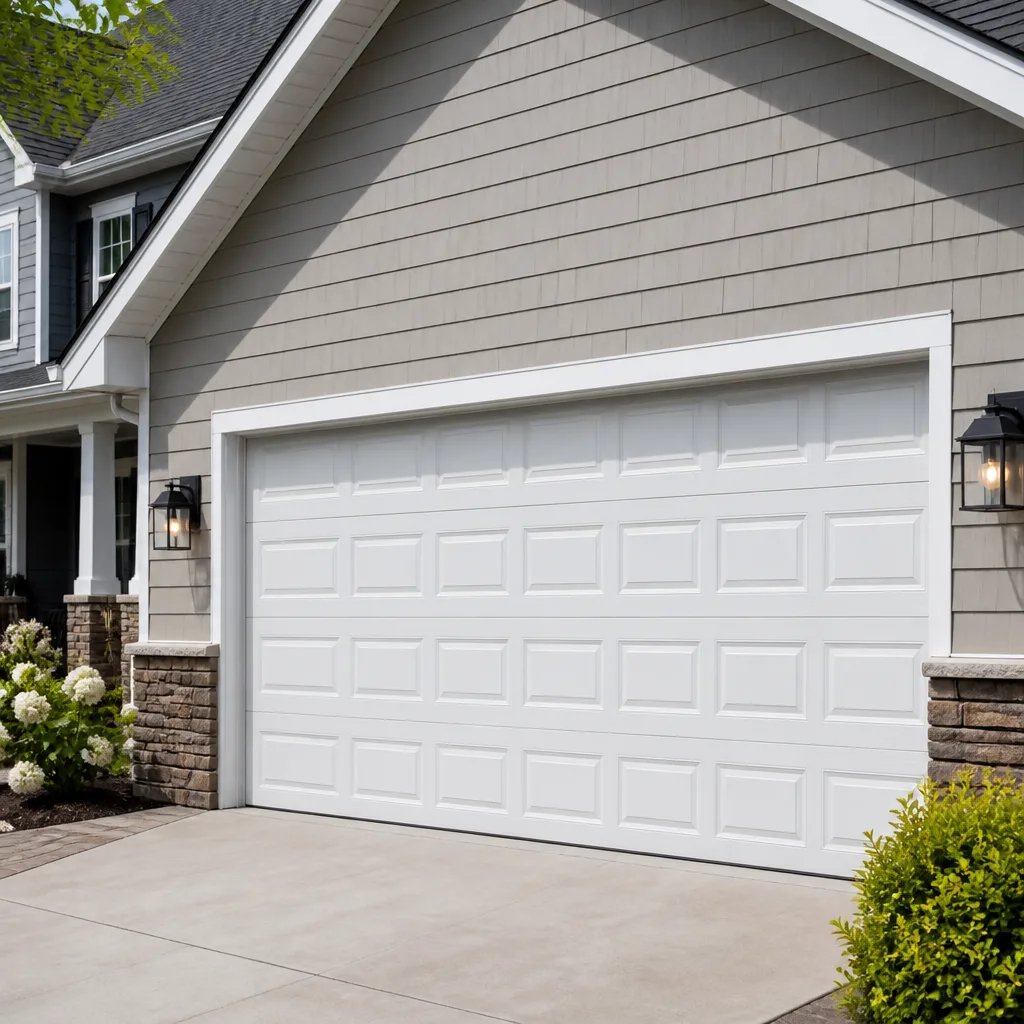 Raised-panel steel
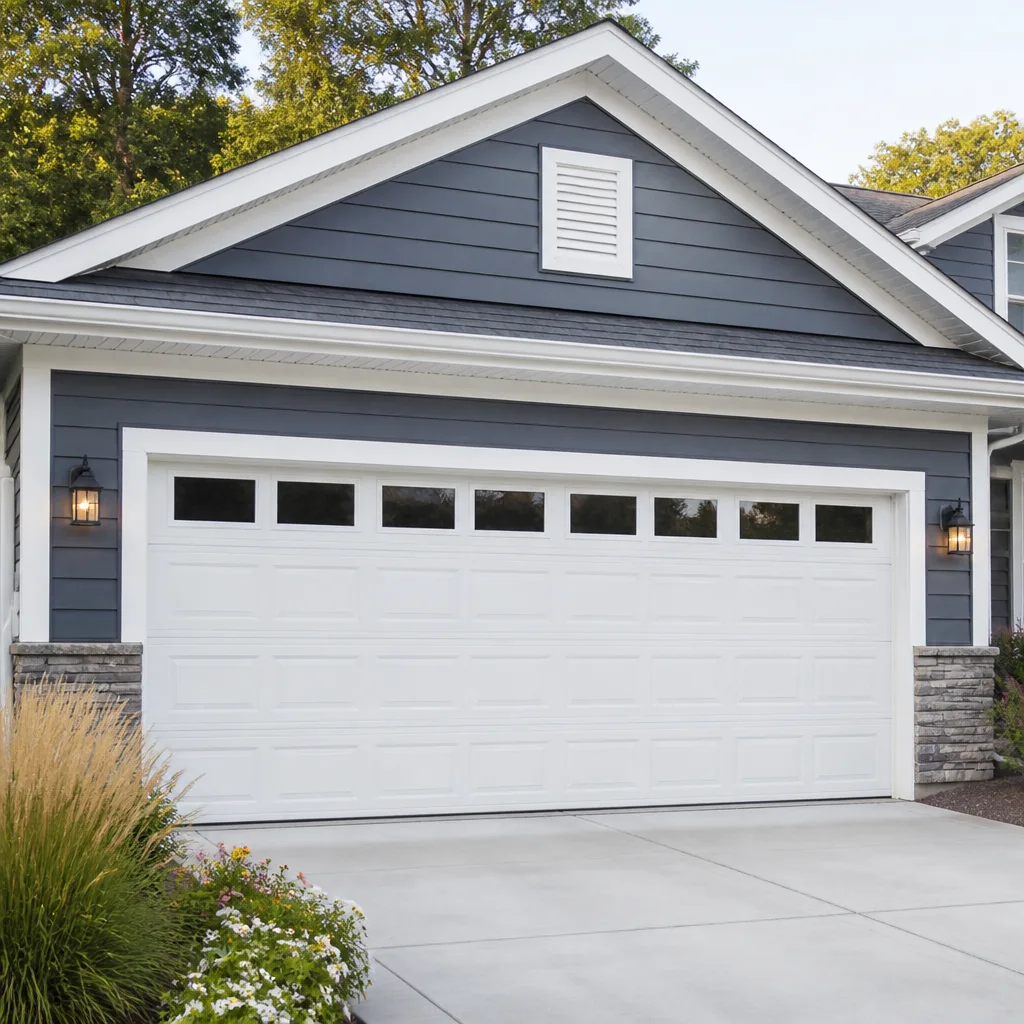
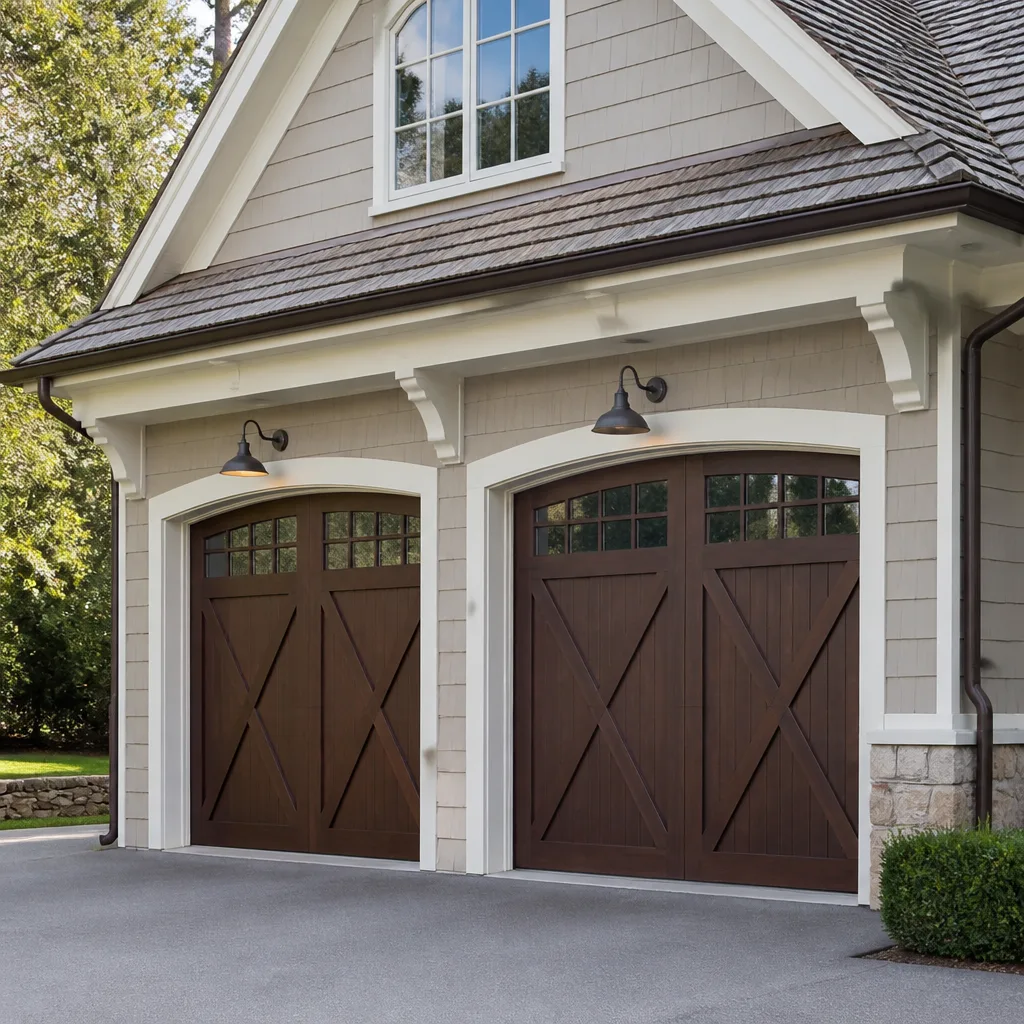 Carriage house
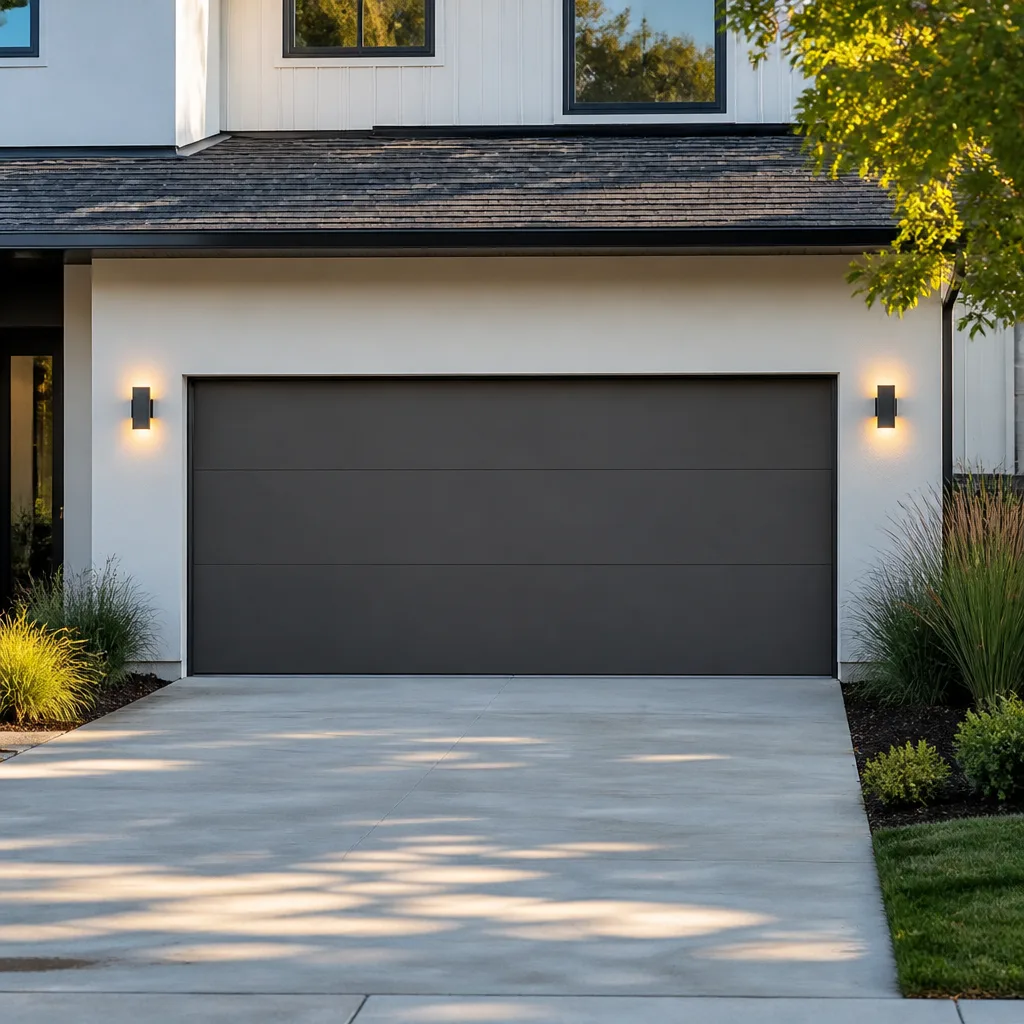 Modern flush
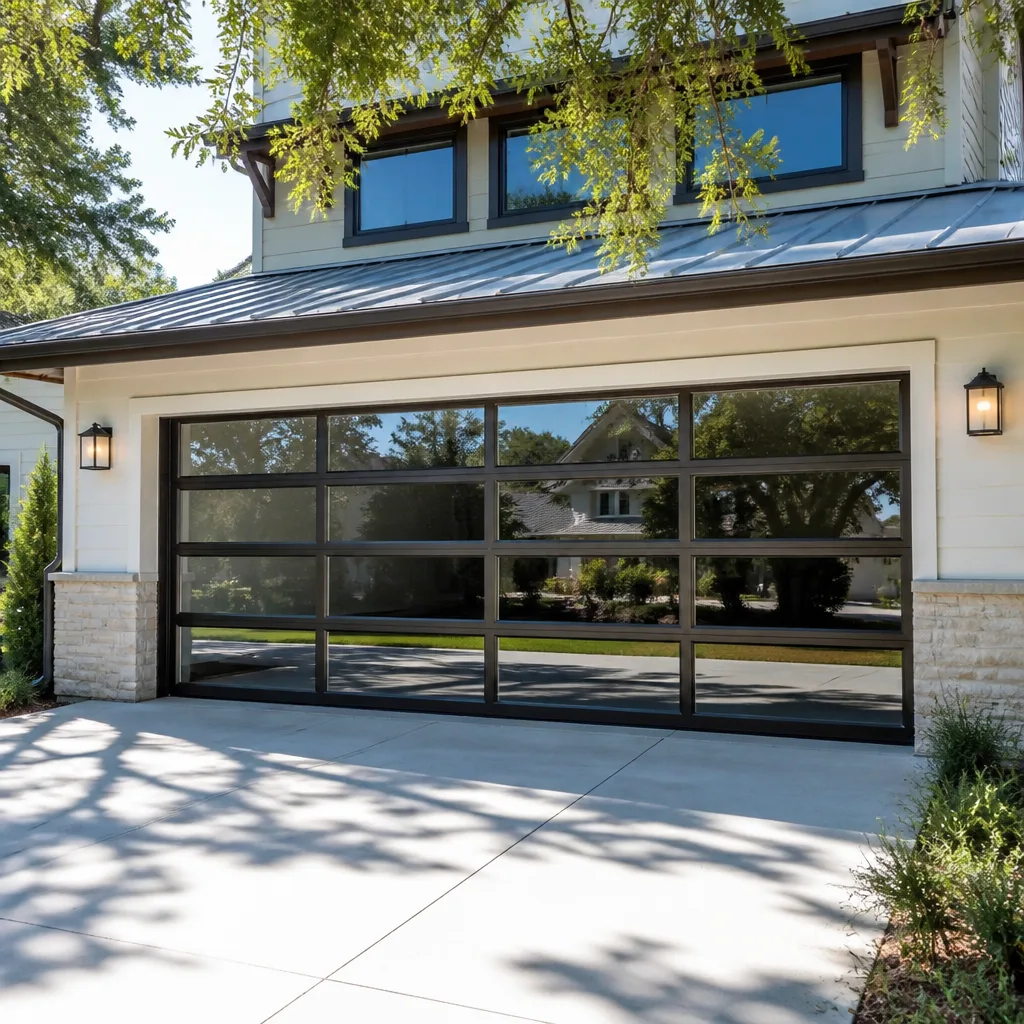 Full-view glass
 LiftMaster openers
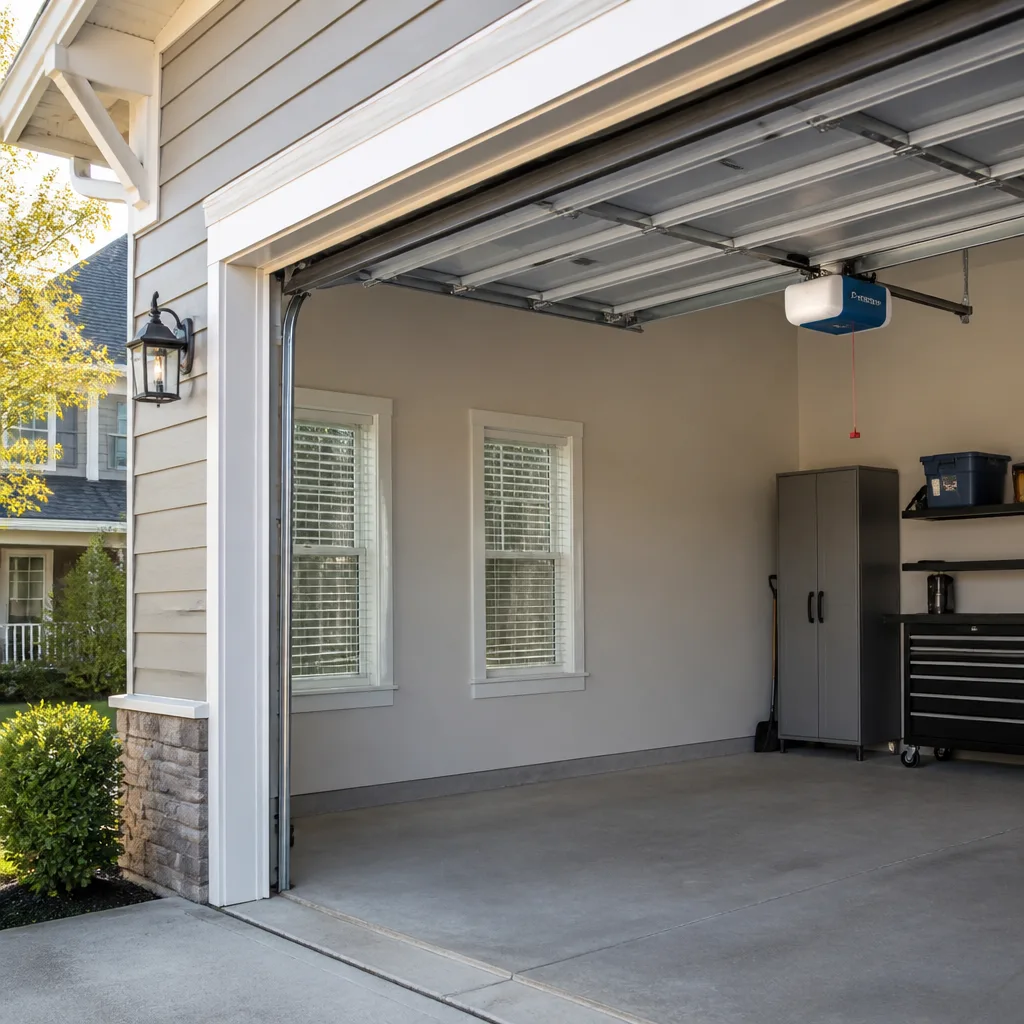 Chamberlain openers
Full 25-point door and opener safety check with every visit - springs, cables, rollers, tracks, and your LiftMaster or Chamberlain opener included
You get a price before we start. It does not change when the pro arrives.
Get your free estimateDIY vs Professional Garage Door: The McLean Homeowner’s Decision Guide
Most garage door advice treats DIY as a skill question. It isn’t. It’s a risk question, and the risk isn’t evenly spread across the job. A homeowner who can swap a bottom seal in ten minutes has no business winding a torsion spring, and that has nothing to do with how handy they are. Torsion springs store enough energy to break bones when they let go during adjustment, and that danger doesn’t shrink because you’re careful or because you’ve watched the videos. Some tasks are worth doing yourself. A few are worth never touching. This guide separates them for McLean homeowners, task by task, so you know exactly where your line is.
Quick Answer
In McLean, the sensible split is this: weatherstripping, bottom seals, roller lubrication, sensor alignment and remote reprogramming are fair DIY work, while torsion spring winding, cable replacement under tension and header bracket installation should always go to a trained technician. The reason isn’t experience or confidence. It’s that a spring adjustment runs $80 – $120 professionally, and the downside of getting a tensioned spring wrong is far larger than that saving. Everything else is a judgment call you can make once you’ve diagnosed the problem properly.
Styles & brands we work with
- Raised-panel steel
- Carriage house
- Modern flush
- Full-view glass
- LiftMaster openers
- Chamberlain openers
Table of Contents
- The Hard Line: Tasks You Should Never DIY
- The Legitimate DIY List (With Actual Instructions)
- What You Really Save on DIY Garage Door Work
- How to Diagnose the Problem Before You Call
- Why McLean’s Finished Garages Raise the Stakes
- When a Small Job Reveals a Bigger One
- Common Mistakes to Avoid
- When to Call a Professional
The Hard Line: Tasks You Should Never DIY
Three garage door jobs carry injury risk that no amount of caution removes. They’re the ones where a single slip with a tool under load sends stored energy somewhere it shouldn’t go. Our technicians have up to 12 years of experience and treat all three as trained-professional work without exception.
Torsion spring winding. Torsion springs sit above the door on a shaft and hold the door’s full weight in torsion. Winding one means loading that spring with steel rods while it’s under tension. If a rod slips, or a spring fails mid-adjustment, the release is violent and fast. There’s no safe way to rehearse this at home, and no tool in a typical garage makes it safer. A trained technician uses the right winding bars, knows the spring’s cycle rating, and understands how many turns the door needs. That’s a technique job, not a strength job.
Cable replacement under tension. The lift cables run from the bottom corners of the door up to the drums at each end of the spring shaft. They’re loaded whenever the door is closed. Someone loosening a cable without first relieving that tension can be injured by the cable whipping free. Cables also have a right and wrong routing at the drum, and a cable that’s set wrong can cause the door to bind and drop. This is one of the reasons we treat garage door repair as diagnosis-first work rather than a parts swap.
Header bracket installation. The header bracket anchors the spring shaft and, on most doors, the opener’s rail to the wall above the opening. Installing one means drilling into the header and getting the load path right. If the bracket isn’t secured into structural material, or the alignment is a fraction off, the door can come down out of square or the opener can pull the door off track. On a finished garage in McLean, where the header is often behind drywall and trim, the work gets harder before it gets easier. Anyone with a garage door that’s lost its anchor point should call us rather than guess at what’s behind the wall.
A fourth task deserves its own warning: adjusting an opener’s force or travel limits. Most modern openers from LiftMaster, Chamberlain and Genie use photo-eye sensors and force settings that are calibrated at install. Raising the force limit to force a binding door closed hides a bigger mechanical problem and defeats a safety reversal feature. A door that won’t close cleanly needs a real diagnosis, not a settings workaround.
The Legitimate DIY List (With Actual Instructions)
Five jobs are genuinely within reach for a homeowner with basic tools and an afternoon. None of them involve stored spring energy, and all of them are easy to reverse if something goes wrong.
- Replace the bottom seal. With the door closed, pull the old seal out of the aluminum retainer along the bottom edge, noting how it seats. Cut a new seal to length with a utility knife, slide it into the retainer from one end, and trim the overhang at each side. If the retainer itself is bent or rusted, that’s a bigger job.
- Install weatherstripping around the opening. Measure the jambs and header, cut vinyl or rubber strips to length, and nail or screw them so they press lightly against the door face when it closes. A gap you can see daylight through is the test.
- Lubricate rollers and hinges. Use a garage-door-specific lubricant, not WD-40, on the roller stems, hinge pivots and the torsion shaft bearings. Do this with the door closed and the opener disconnected, so nothing moves while your hands are near the tracks.
- Align the safety sensors. Both photo-eye lenses should point at each other at the same height, roughly six inches above the floor, with a clear line of sight. Wipe the lenses, check for a bent bracket, and confirm the indicator light on each sensor is steady. A blinking light usually means misalignment or an obstruction.
- Reprogram a remote. On most LiftMaster and Chamberlain units, press the learn button on the opener head, then press and hold the remote button within a few seconds until the opener clicks. For Genie units, the pairing process differs; the manual for your model shows the exact sequence.
There’s one more DIY-adjacent task worth naming: cleaning. Sawdust, dried leaves and road grit collect in the tracks and on the rollers. Vacuuming the tracks and wiping them with a dry cloth once a season prevents most of the binding complaints we hear about. Don’t grease the tracks themselves. Lubricant in the tracks attracts debris and makes the rollers slide instead of roll.
What ties all five of these jobs together is that none of them puts you in the path of a loaded spring or cable. That’s the real dividing line, not whether you own the tools.
What You Really Save on DIY Garage Door Work
The honest way to run the numbers is to compare the full cost of doing it yourself against the price of having it done, not just the price of the parts. That comparison usually shrinks the DIY savings on anything beyond the small jobs.
| Task | Typical DIY cost | Typical professional cost |
|---|---|---|
| Bottom seal replacement | Part cost only | Quoted by written estimate, job by job |
| Weatherstripping install | Materials only | Quoted by written estimate |
| Roller lubrication | Cost of lubricant | Often bundled with a repair visit |
| Safety sensor alignment | Free | Often bundled with a repair visit |
| Remote reprogramming | Free | Often bundled with a repair visit |
| Spring adjustment or replacement | Parts, plus winding bars you’ll use once | Spring adjustment typically $80 – $120; a single spring replacement usually quoted per spring, and a matched pair is replaced together |
| Cable or bracket work | Parts and tools | Quoted by written estimate |
Two costs don’t show up on the spreadsheet. The first is tool purchase. A homeowner winding their own spring needs the right winding bars, and once the spring is done, the bars sit in a drawer forever. The same goes for the specific sockets and clamps used for cable work. The second is the correction call. When a DIY job goes sideways, the technician has to undo the first attempt before starting the real fix. That’s more work than the original diagnosis, and the customer has usually paid for parts they can’t return.
Then there’s time. A bottom seal is a half-hour job. Weatherstripping is a couple of hours for a two-car door. A spring adjustment done by a trained technician is fast work because the technician has done it before. Doing it yourself, safely, means learning the technique from scratch, which is exactly where the risk lives.
A rounded comparison helps: when the price of a spring adjustment is $80 – $120 and the risk of getting it wrong is serious injury, the savings from doing it yourself don’t justify the trade. When the job is a $20 seal and a screwdriver, the math flips entirely. That’s the whole argument in one sentence, and it explains why we quote garage door spring repair as a single, well-defined job rather than something to bundle.
How to Diagnose the Problem Before You Call
The single biggest reason customers end up unsure what to ask for is that they haven’t isolated which part failed. Five minutes of careful checking usually narrows it down, and it lets you describe the problem precisely when you call, which makes a free estimate easier to give.
- Find out whether the opener is running. Press the wall button and listen. If the motor hums or runs but the door doesn’t move, the opener is fine and the problem is mechanical. If the motor is silent, the opener, remote, or power supply is the issue.
- Check for a broken spring. With the door closed, look at the torsion spring above the door (it runs along a shaft) or the two extension springs along the tracks. A visible gap in the coil, or springs at two different lengths, means a spring is broken. Don’t try to test it by hand.
- Look at the cables. Both cables should be evenly tensioned and seated cleanly in the drums at each end of the shaft. A cable that’s slack on one side, or off its drum, is the problem.
- Walk the door by hand. Disconnect the opener using the red release handle, then lift the door halfway. A door that feels very heavy means the springs aren’t carrying the weight the way they should. Close it slowly and re-engage the opener afterward.
- Test the safety sensors. Wave an object in front of the photo-eye lenses while the door is closing. If the door keeps going, the sensors aren’t doing their job and need attention before anything else.
Write down what you find: the brand on the opener (LiftMaster, Chamberlain, Genie and Craftsman are the ones we see most), whether the door is one-car or two-car, and what happened right before the failure. A door that stopped after a loud bang is a different problem from a door that slowly stopped closing over a few days. That detail is what a technician uses to prepare.
Since the brand and symptom are what a technician needs to arrive with the right diagnosis, knowing whether you have a genuine opener fault or a mechanical one matters. If your checklist points at the opener, our garage door opener repair page explains the common failure modes for each major brand.
Why McLean’s Finished Garages Raise the Stakes
Most of the homes we visit in McLean have garages that look like living space, not utility sheds. Insulated doors, drywalled ceilings, recessed lighting, painted walls, sometimes a finished floor. That finish changes the DIY calculus in ways a bare garage doesn’t.
The hardware is hidden. In a bare garage, you can see a torsion spring, its brackets, and the cable routing from the floor. In a finished garage, the spring shaft is often tucked behind a soffit, the header is behind drywall, and the opener is mounted to a ceiling that’s painted and finished. Diagnosis is easier and safer when you can see everything, and in a finished garage you sometimes can’t without opening something up.
Work near finished surfaces has consequences. A slipped winding bar, a dropped socket or a cable that whips free can damage drywall, lighting and paint. That’s not a reason to skip the repair. It’s a reason the repair is worth doing once, properly, by someone with the right tools and a clear plan.
Climate control in a finished garage also means the door is doing duty as a temperature seal, not just a security barrier. A bottom seal that’s cracked or weatherstripping that’s pulling away lets conditioned air out and Virginia’s summer humidity in. That’s one of the most common reasons we get called to McLean garages in the first place, and it’s a DIY-friendly fix since both are on the legitimate list. The trade-off is that a finished garage rewards getting those seals right the first time, because a poorly seated seal shows up immediately in the rooms above.
Several McLean neighborhoods have long driveways, mature tree cover and homes set back from the street, which makes a garage door failure more disruptive than it is in a tightly packed subdivision. When the door doesn’t work, the car stays put and the house loses its main entry. That’s a scheduling problem as much as a repair problem, and it’s why we keep emergency service as a core part of what we do rather than an add-on.
When a Small Job Reveals a Bigger One
Two of the most common DIY jobs we hear about – a bottom seal and weatherstripping – both start with the homeowner crouching at the door and looking closely. That’s the moment when a bigger problem becomes visible, and the honest answer is that some of what you find should stop the job on the spot.
- Bottom section damage. If the bottom panel is dented, cracked or rotting where the seal attaches, the new seal won’t sit straight. That’s a panel replacement, not a seal replacement, and it changes the scope of the job.
- Rusted or bent track. A track that’s kinked at the bottom curve or visibly rusted is a call-it-in problem. Attempting to bend a track back into shape with a hammer usually makes it worse and can pull the door off the rollers while you’re working.
- Loose hinge or roller bracket. If a hinge plate is separating from the panel, or a bracket is loose at the bottom corner, the door is under load that shouldn’t be there. Hold the job and get it looked at before doing anything else.
- Daylight under one corner. A gap on one side but not the other suggests the door is out of balance or the panel is out of square. That’s a door-level issue, not a seal-level issue.
- Cracks in the header or jamb. In an older home with a finished garage, a crack along the header or an opening in the jamb can point to movement in the structure above the door opening. That’s a report-to-a-professional finding.
None of these is a reason to panic. They’re a reason to stop and get a proper diagnosis before spending more on parts. When a repair reveals a door that’s past saving, a full install may make more sense than another round of patching. We do both, so a homeowner who finds that out mid-repair doesn’t need to chase down a second company. That’s a decision better made with a written estimate in hand than on the fly.
Common Mistakes to Avoid
- Greasing the tracks. Grease in the tracks collects grit and turns rollers into sliders. Clean the tracks dry and lubricate the rollers and hinges instead.
- Raising the opener’s force limit to force a binding door closed. A door that won’t close cleanly has a mechanical cause. Raising the force setting hides it and disables a safety feature.
- Testing a suspected broken spring by hand. Never pull on a spring or lift a door that feels unusually heavy with the opener engaged. Disconnect the opener before you check the door’s balance, and don’t touch a broken coil at all.
- Buying a bottom seal before checking the retainer. The seal has to match the aluminum channel it slides into. Measure the retainer and note its profile before ordering, or you’ll be back at the store.
- Assuming all openers pair the same way. LiftMaster, Chamberlain and Genie remotes use different learn sequences. Follow the sequence for the brand on the opener, not a generic video.
- Ignoring a sensor that’s been flickering. A sensor that intermittently fails isn’t a nuisance. It’s the safety reversal feature not working reliably, and it needs a real fix.
- Calling a handyman for the spring. A spring repair is a specific, dangerous job that calls for the right tools and a technician who does it routinely. In a finished McLean garage, where the work surface is more delicate, that matters even more.
When to Call a Professional
Call a professional for anything that involves a torsion spring, a lift cable, a header bracket, a bent track, or an opener that hums without moving the door. Those are the jobs where the wrong move does real damage or real injury. Call immediately if a door is stuck open and the house is unsecured, or if a door has come off its tracks. Both are genuine emergencies, and we treat them that way.
If your self-diagnosis points at a spring, a cable or a bracket, don’t try to move the door or force the opener. Have someone take a look before anything else happens. Our technicians work on the brand already in your garage and can handle McLean Garage Door Repair Pros for anything from a single repair up through a full installation.
For everything else, use the checklist above to decide. If the job is on the legitimate DIY list and nothing bigger came up when you looked closely, you’re fine to proceed. If something unexpected showed up, get a proper look at it.
McLean Garage Door Repair Pros offers free estimates in McLean, with the price quoted and agreed before any work starts. Call (844) 493-7480. We answer 24/7. Fast dispatch from 7am to 7pm, Sunday through Friday.
See the difference
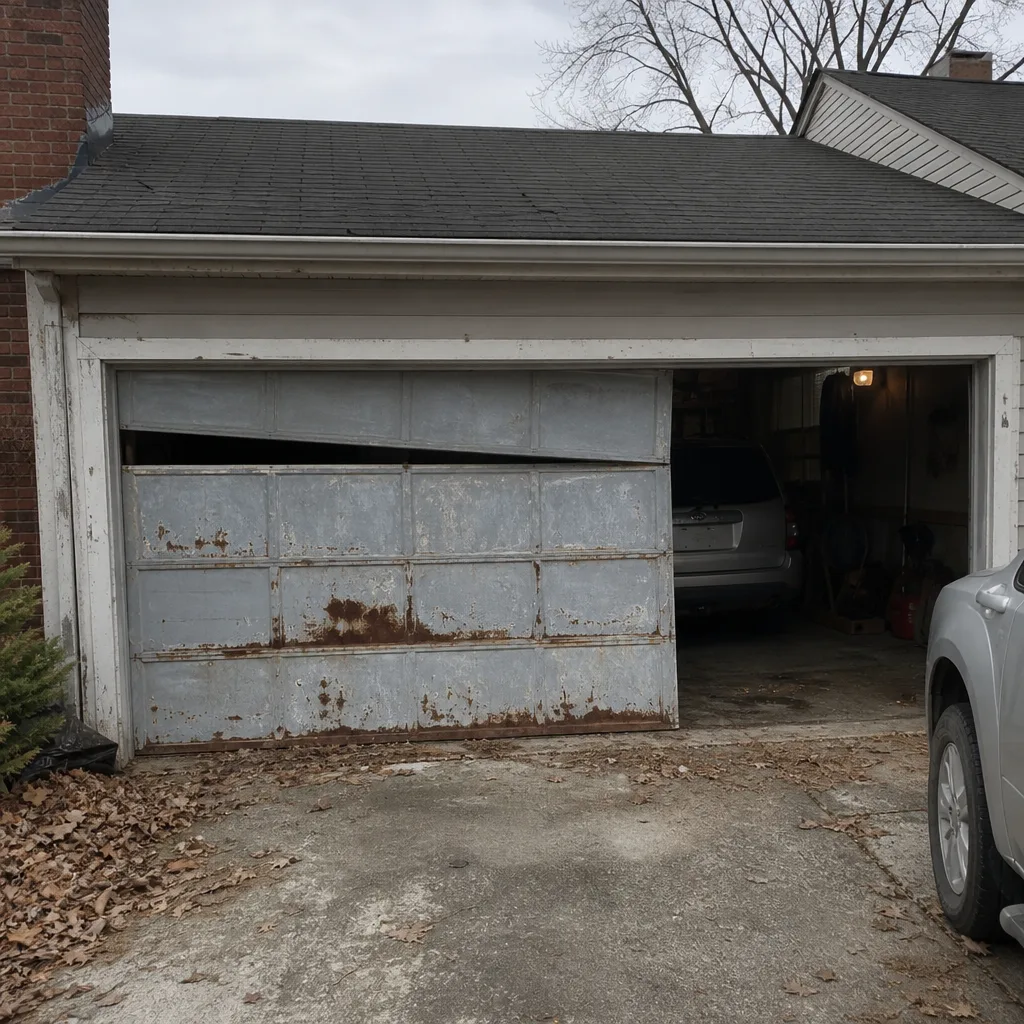 Before
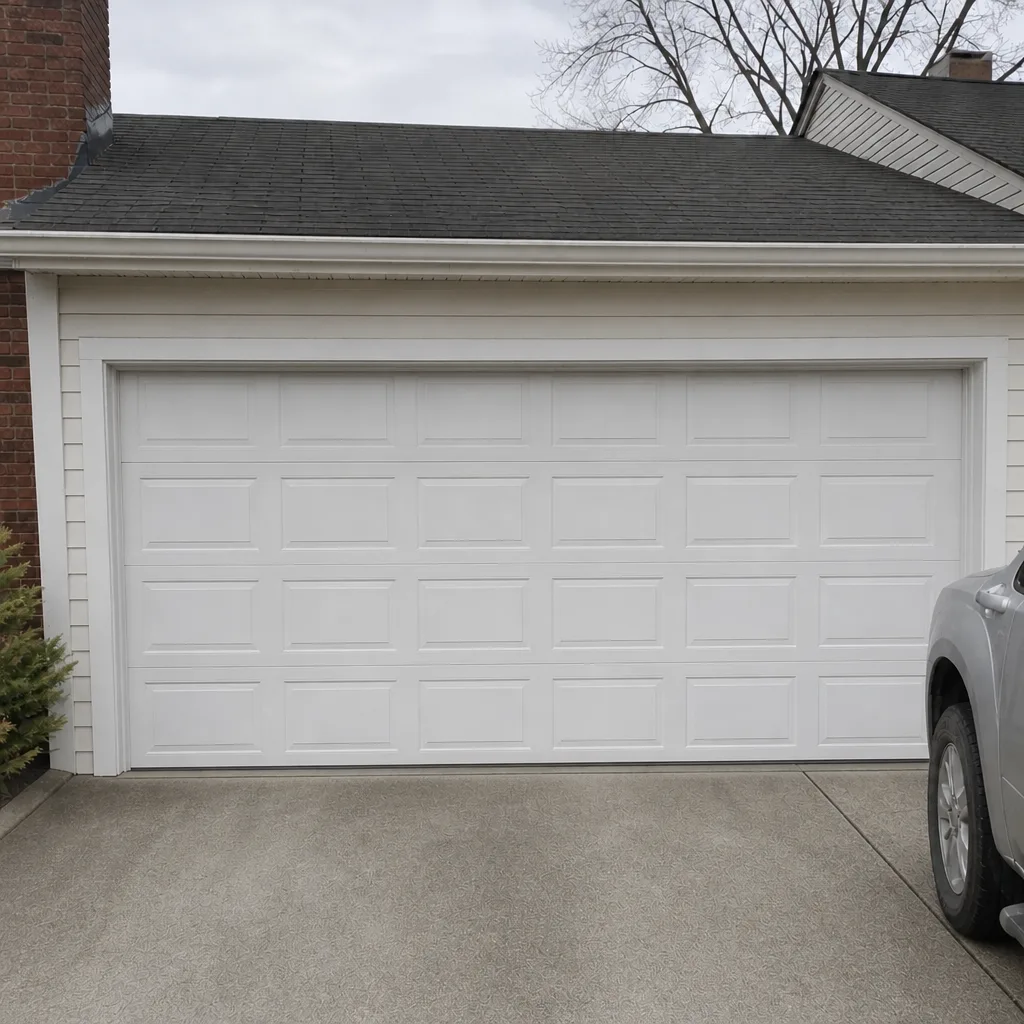 After
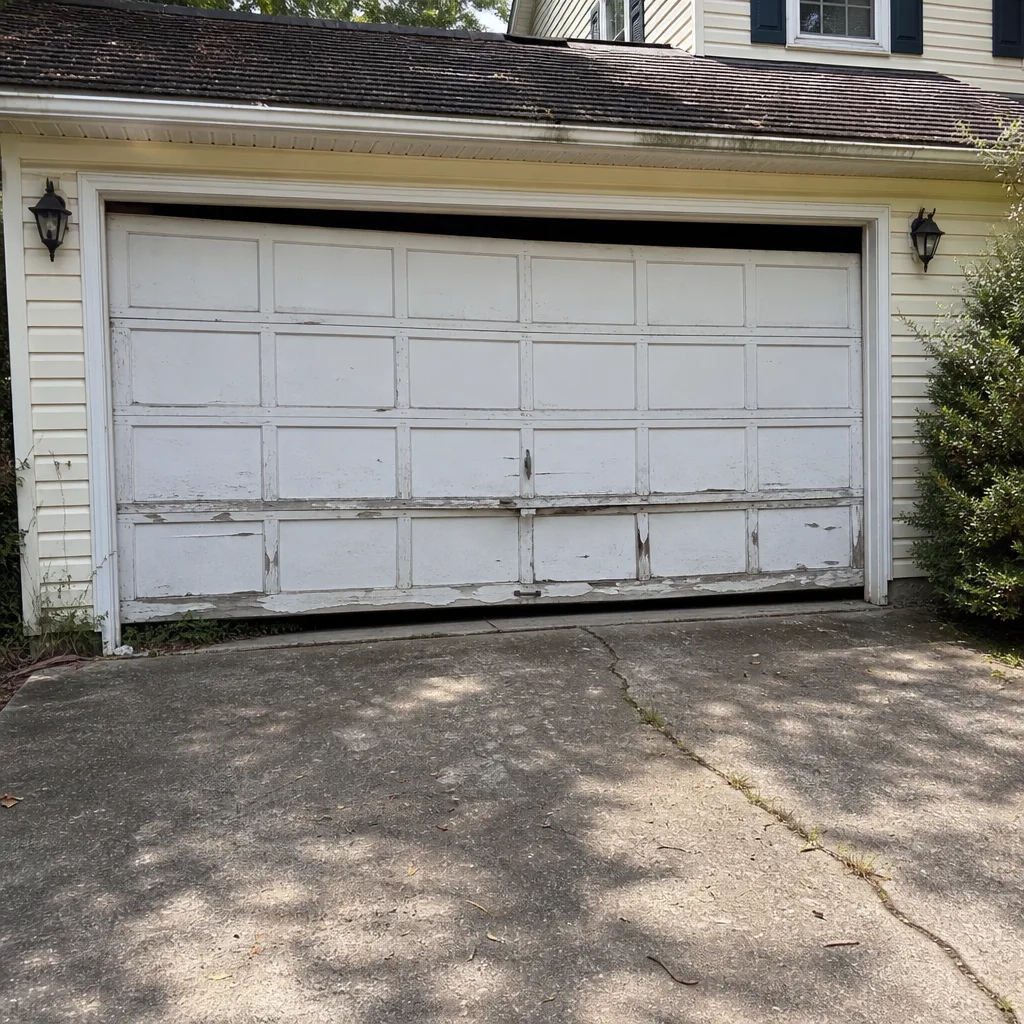 Before
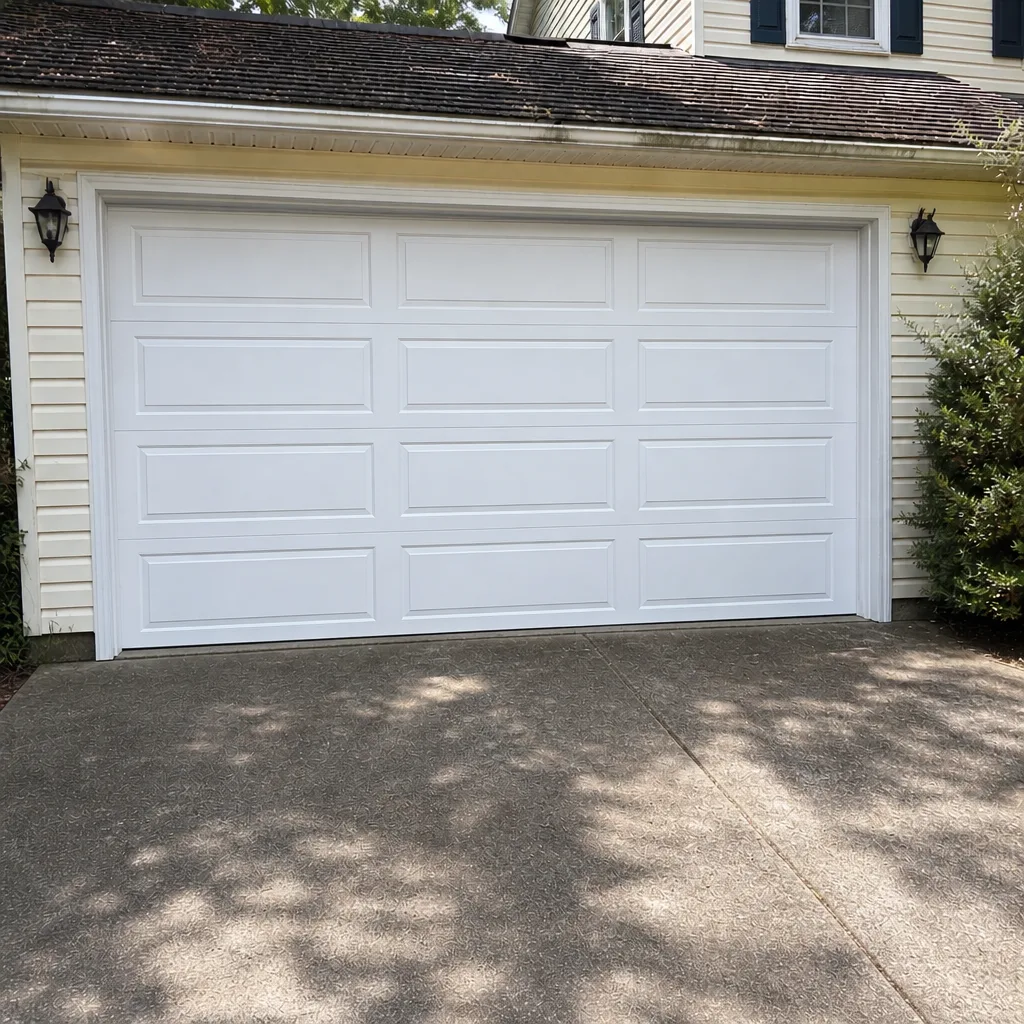 After
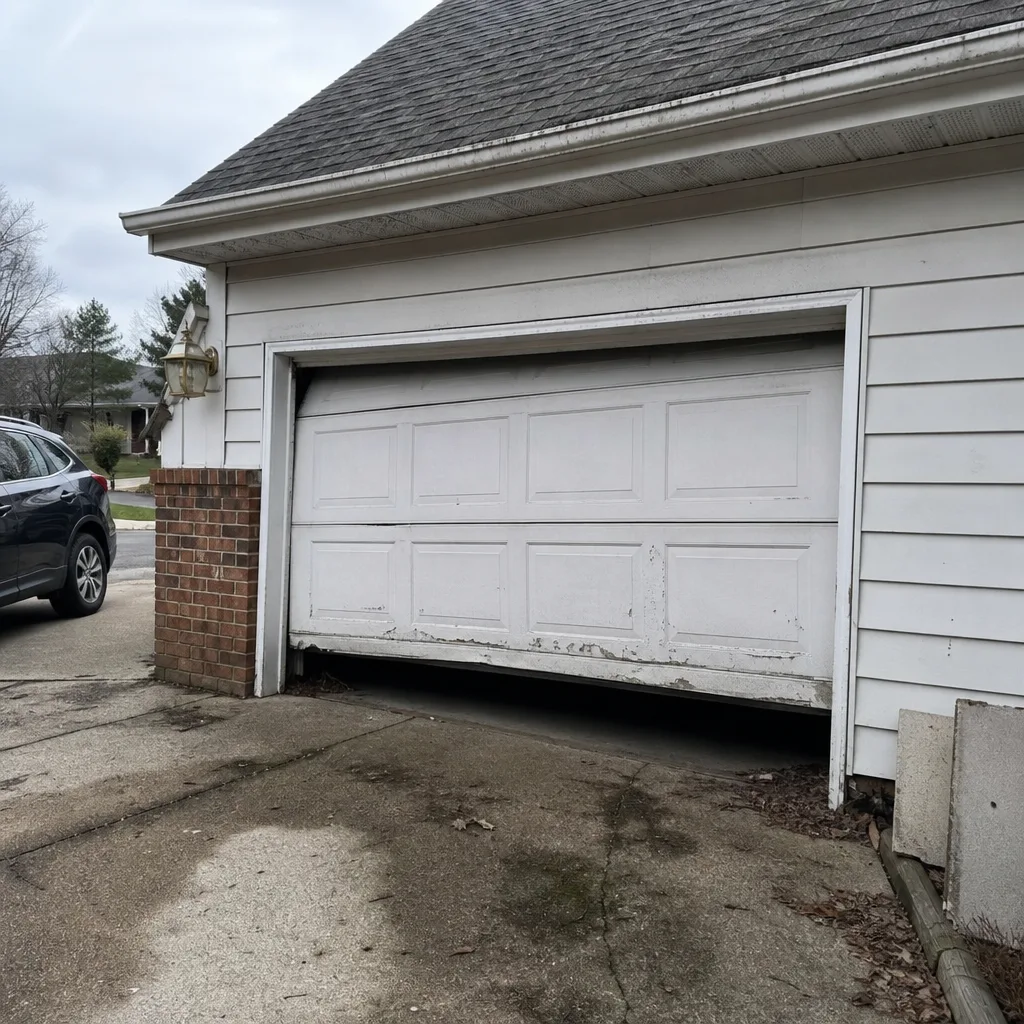 Before
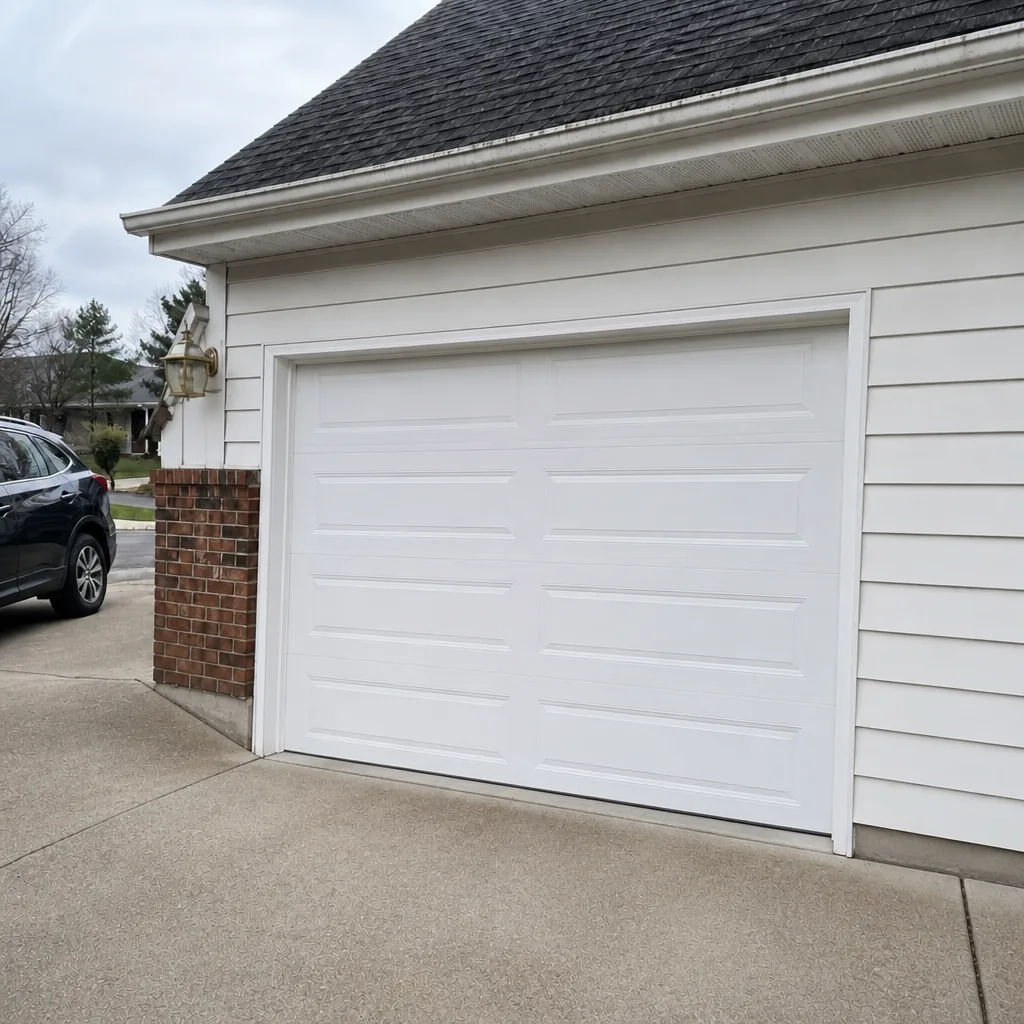 After
Frequently Asked Questions
No. Torsion spring replacement involves winding a spring that’s under full load, and a slip during that process can cause serious injury. The correct tooling and technique are the difference between a fast, safe repair and an accident. Call (844) 493-7480 for a free estimate on spring repair.
A spring adjustment typically runs $80 – $120, and a spring replacement is quoted per spring by a written estimate. A matched pair is usually replaced together, so a pair costs about twice the single-spring figure. The written estimate sets the final price before any work starts. Call (844) 493-7480 for an exact quote – estimates are free.
No, the price you agree to is the price for that job, and no work starts until it’s agreed. If the technician finds a second failure while the door is open, you get a new estimate for that work before anything else is touched. Call (844) 493-7480 to schedule a free estimate.
Sometimes, and only after you know why it won’t close. A misaligned safety sensor, dirty photo-eye lens, or a remote that needs reprogramming are all fair to fix yourself. If the cause is a spring, a cable, a bent track or an opener with a slow motor, it needs a trained technician. A quick diagnosis, as outlined above, tells you which situation you’re in.
Yes, but you should clean the tracks rather than lubricate them. Wipe them out with a dry cloth, then put garage-door lubricant on the roller stems and hinges only. Lubricant in the track itself attracts grit and makes the door harder to operate. Call (844) 493-7480 if you find rust or a bend while you’re cleaning.
The local professionals we connect you with are licensed and insured as their state requires. Our technicians have up to 12 years of experience and work across LiftMaster, Chamberlain, Genie, Clopay, Amarr, Wayne Dalton, Craftsman and Raynor systems. They diagnose the system already in your garage. Call (844) 493-7480 with the brand and symptom and we’ll get you scheduled.
The Bottom Line
The DIY decision on a garage door isn’t about whether you’re handy. It’s about which tasks carry risk that doesn’t shrink with care, and those are spring winding, cable replacement under tension, and header bracket work. Everything else, from a bottom seal to sensor alignment, is fair game for a homeowner with basic tools. The break-even point is clear: a spring adjustment runs $80 – $120 in McLean, and the downside of getting it wrong is far larger than the saving. Do the small jobs yourself, diagnose carefully, and hand the dangerous work to a technician. And keep in mind that on a repair or an emergency, same-day service is available. Call (844) 493-7480. We answer 24/7. Fast dispatch from 7am to 7pm, Sunday through Friday.
Written by the team at McLean Garage Door Repair Pros.