
Last updated November 23, 2026
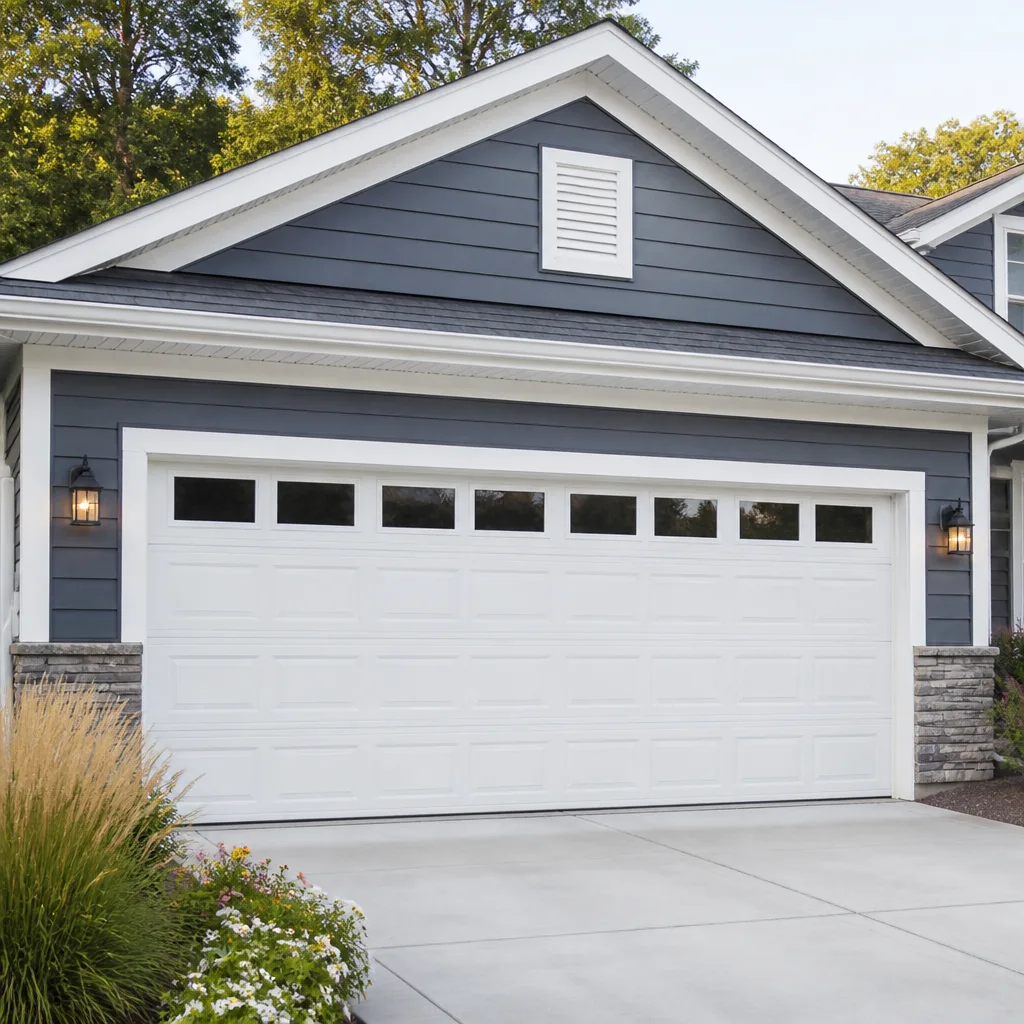
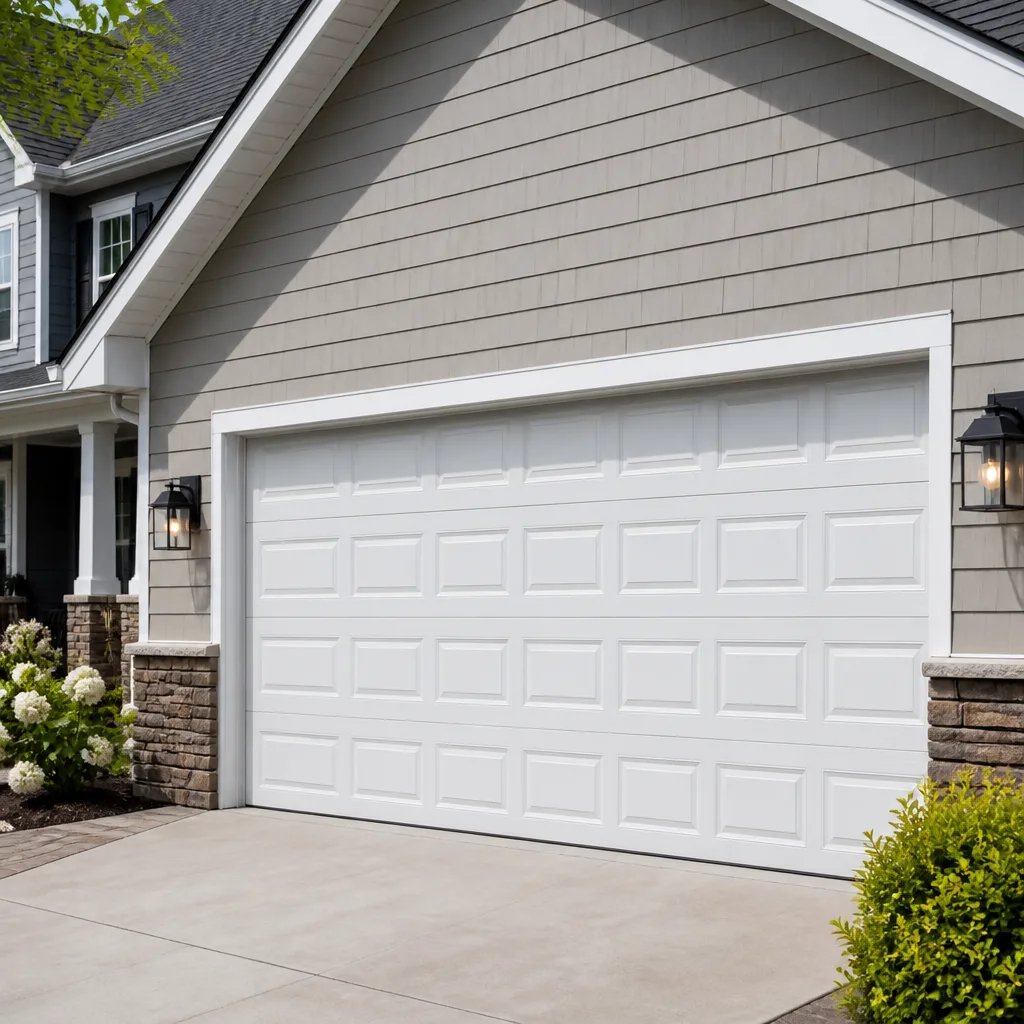 Raised-panel steel
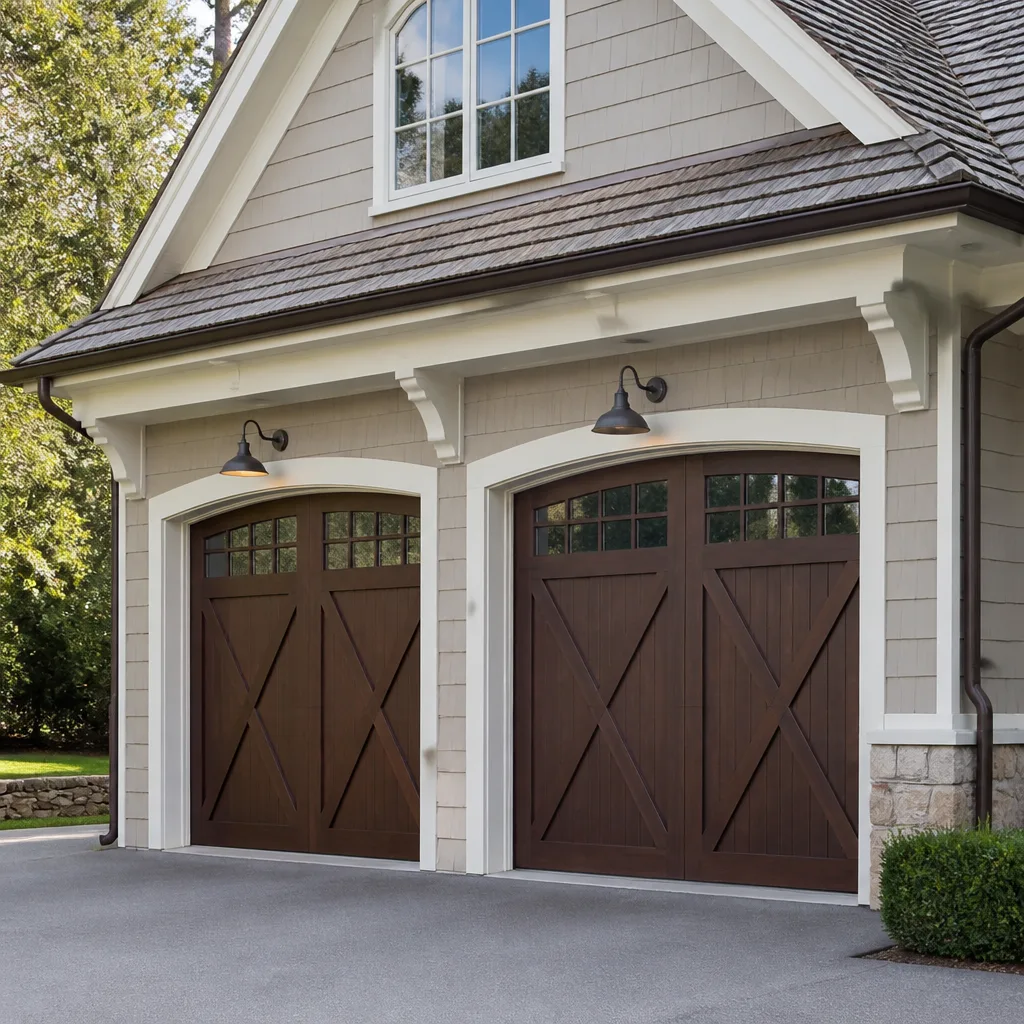 Carriage house
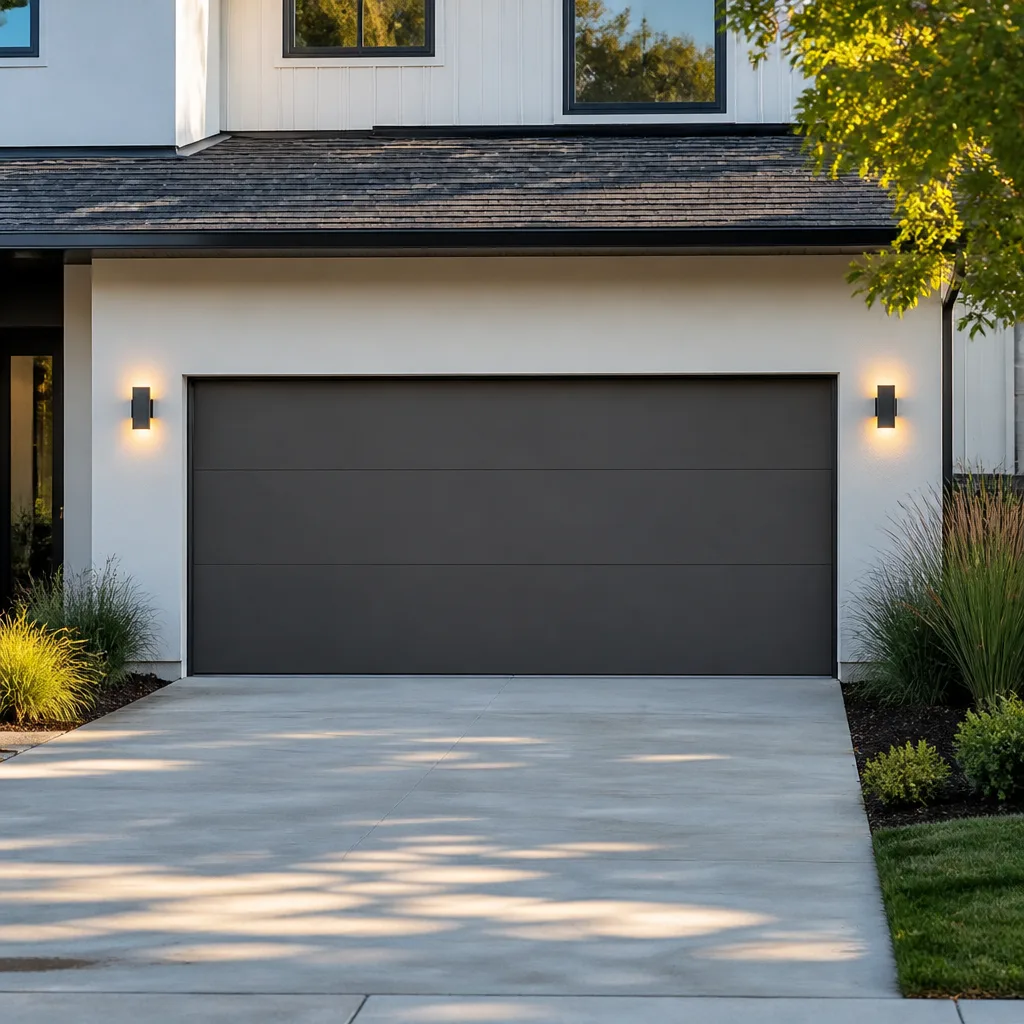 Modern flush
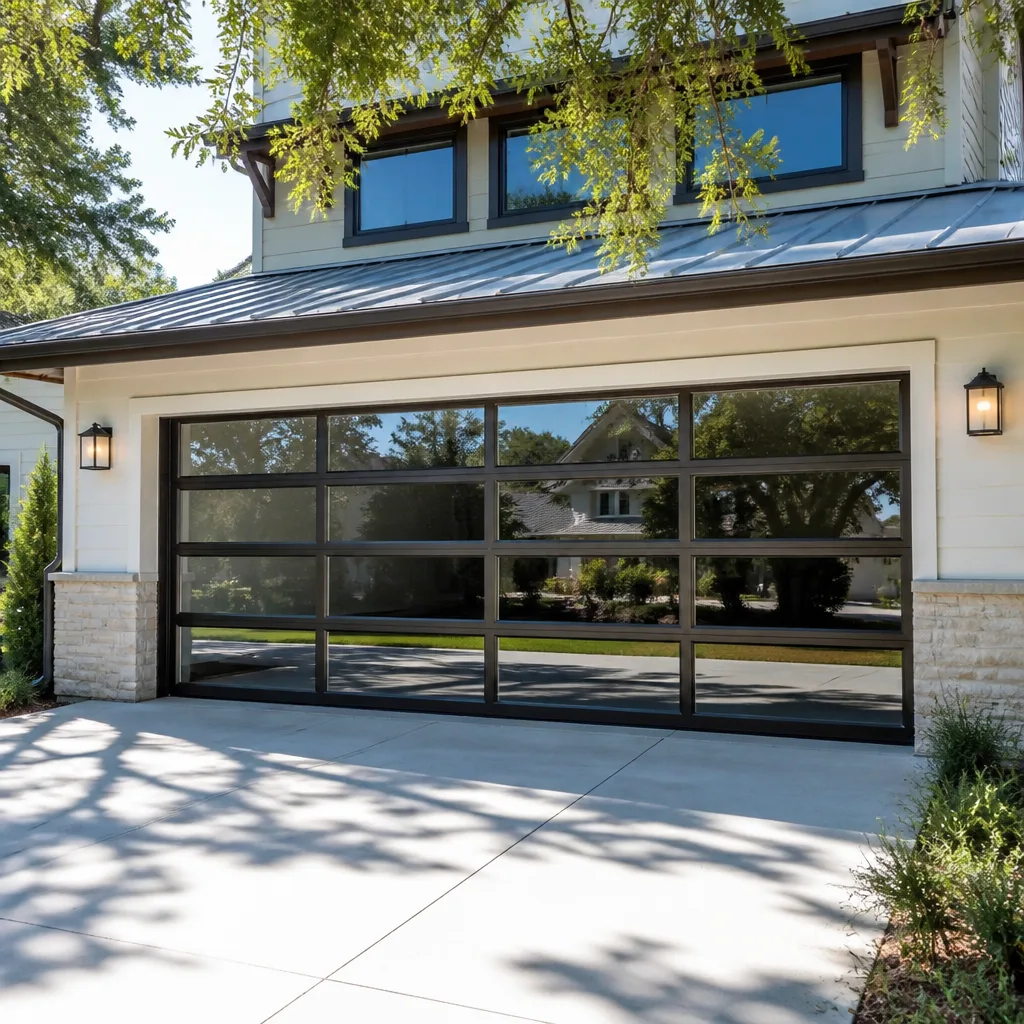 Full-view glass
 LiftMaster openers
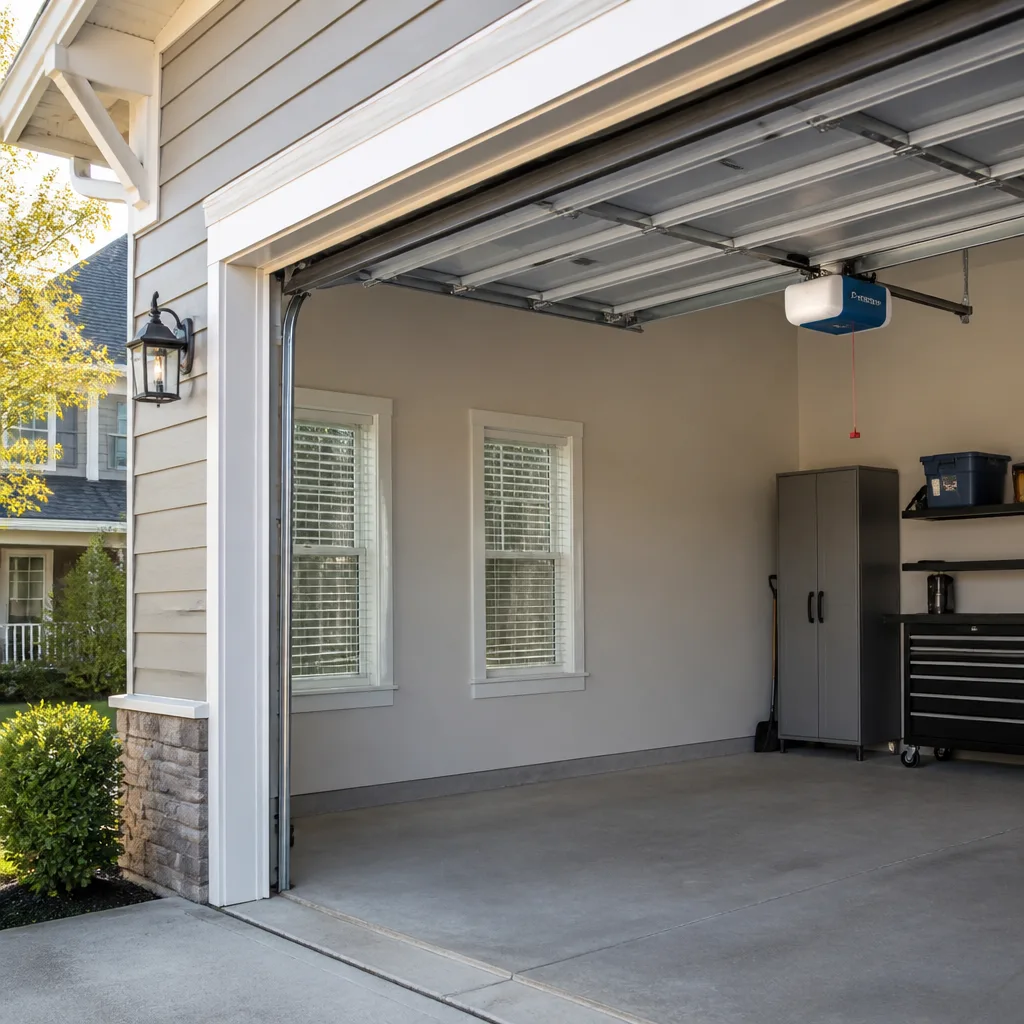 Chamberlain openers
Full 25-point door and opener safety check with every visit - springs, cables, rollers, tracks, and your LiftMaster or Chamberlain opener included
You get a price before we start. It does not change when the pro arrives.
Get your free estimateSeasonal Garage Door Care for McLean: Year-Round Homeowner’s Guide
January is the busiest month of the year for broken torsion springs in McLean, and most homeowners assume it’s because the cold is unusually harsh here. It isn’t. Our winters are moderate compared with what a garage door in New England or Minnesota endures. What we get instead is something harder to plan around: a thermal range that swings from 15°F ice storms in February to 97°F humid afternoons in July, all inside one calendar year. Add dozens of freeze-thaw cycles between October and March, and a spring that’s been quietly contracting and expanding since fall will often reach its fatigue limit on the first hard freeze. The failure isn’t random. It’s calendared. In this guide, we’ll walk through what each season actually does to your door, the specific checklist items that prevent problems before they start, and the two components that need attention at every seasonal transition, no exceptions. If you take nothing else from this page, take those two.
Quick Answer
Seasonal garage door care in McLean means adjusting to a wide thermal range, not a single climate extreme. Fall prep (weatherstripping compression, bottom seal condition, spring tension baseline) prevents most winter failures. Spring is the window to catch freeze damage and cable fraying before a failure becomes an emergency. Summer humidity matters most for wood and steel panels, and winter creates a hidden thermal problem in attached garages specifically. Get the two transition items right in fall and spring, and you’ll avoid the majority of service calls.
Styles & brands we work with
- Raised-panel steel
- Carriage house
- Modern flush
- Full-view glass
- LiftMaster openers
- Chamberlain openers
Table of Contents
- Fall Prep: The Adjustments That Prevent Winter Failures
- Winter: The Thermal Problem Inside Attached McLean Garages
- Spring: Reading the Freeze Damage Winter Left Behind
- Summer: How Humidity Actually Affects Your Door
- The Two Components That Need Attention Every Season
- The Four-Season Checklist at a Glance
- Common Mistakes to Avoid
- When to Call a Professional
Fall Prep: The Adjustments That Prevent Winter Failures
Fall is the single most valuable maintenance window in McLean, and it’s the one homeowners most often skip. The reasoning is straightforward: whatever condition your door enters winter in is the condition it will spend three months in, because nobody services a door mid-ice storm. So the fall prep is really about hardening the door against a range of thermal stress it can’t be adjusted for once the cold sets in.
Weatherstripping is the first place to look. The rubber or vinyl strip along the sides and top of the door compresses as temperatures fall, and if it’s already flattened from a summer of use, the seal will lose contact with the frame. That gap lets cold air directly against the door’s perimeter, and it lets moisture in during a thaw. Run a hand along the inside edge on a cold morning and feel for drafts. If air moves, the strip needs replacement, not adjustment.
The bottom seal deserves equal attention. A cracked or stiff bottom seal lets water pool against the door’s bottom panel, and that’s where freeze damage starts. Press a fingernail into the seal; if it doesn’t spring back, it’s aging out. A seal that’s stiff in October will be brittle by January.
Finally, establish a spring tension baseline. This is a job for a trained technician, because torsion springs are under extreme tension and adjusting them is one of the most dangerous repairs in the trade. But the homeowner can note the door’s behavior: how much force it takes to lift by hand (with the opener disengaged), whether it stays balanced at the halfway point, and whether the opener strains. Write those observations down. In January, when something changes, you’ll know exactly what changed.
If you’re unsure whether your door is ready, a pre-winter garage door repair visit can identify weak points in an hour. That’s cheaper than a spring replacement in February, and safer.
Winter: The Thermal Problem Inside Attached McLean Garages
Here’s what most seasonal care advice misses. In McLean, the majority of single-family homes have attached garages, and an attached garage is a thermally different environment from a detached one. If your garage shares a wall with heated living space, that wall leaks heat. The inside face of the garage door is warmer than the outside face. That’s a stable temperature difference across the door, and it does things to the material.
On steel doors, that differential shows up as panel warping, especially on doors with single-layer construction. The metal expands on the warm side and contracts on the cold side. Over a winter, you may notice the panels bowing or the door no longer sitting flush against the frame. On wood doors, the difference manifests as paint failure along the panels facing the heated wall, followed by moisture infiltration and, eventually, cracking. Neither problem is visible from the street. You have to look at the door from inside the garage to see it.
What winter care actually involves:
- Check the roller tracks for ice or freeze buildup after a thaw-and-refreeze cycle. Ice in the track is a common cause of doors jumping the rail.
- Listen for a change in opener sound. A newly loud opener in January often means the door’s travel has stiffened from cold, not that the opener is failing.
- Keep the door closed when not in use. An open door in winter exposes the interior wall to cold air, driving the thermal differential further.
- Clear snow and ice from the bottom seal track so the door closes fully rather than resting on debris.
If you hear the opener clicking but the door doesn’t move, stop pressing the button. Call for garage door opener repair rather than cycling the motor repeatedly, which can burn out the capacitor.
And if a spring breaks in winter, that’s not a maintenance failure to feel bad about: springs have a finite cycle life, and cold accelerates the fatigue. When it happens, our technicians have up to 12 years of experience reading fatigue patterns, and garage door spring repair is what we do most of in January. A matched pair is usually replaced together, since both springs have lived the same life.
Spring: Reading the Freeze Damage Winter Left Behind
Spring is the diagnostic season. Winter hides damage, and the thaw reveals it. The 48 hours after the last frost are the most valuable inspection window of the year, because that’s when cable fraying, track damage, and roller wear all become visible at once, before any of them turn into a call on a Sunday morning.
What to look for, in order:
- Cables. Frayed cables are the single most dangerous failure mode in a garage door system. Look at both cables where they wrap the drums at the top corners. Any broken strands, kinks, or visible rust mean the cable is compromised and should be replaced by a trained technician. Don’t touch it yourself; a snapped cable under load has caused serious injuries.
- Tracks. Winter’s freeze-thaw cycles leave small dents, bends, and misalignments that don’t show up when the door is closed but become obvious the first time you cycle it in warm air. Look for gaps between the track and the door rollers as the door moves.
- Rollers. Rollers that were fine in November may have flat spots or frozen bearings from a winter of sitting still. Roll the door by hand (opener disengaged) and listen for grinding or a rough spot.
- Springs. A spring that survived winter may still be at the end of its life. Note whether the door lifts easily by hand; if it feels heavy, the spring has likely lost tension.
- Bottom seal. The seal gets a second look in spring because winter is hard on it. If it cracked over winter, replace it before the summer humidity starts.
If you find any of these, don’t wait. A frayed cable in April is a routine repair; a snapped cable in July is an emergency. Our emergency service is a core part of what we do, not an upsell, and we answer 24/7. But calling in spring is easier, and it’s less expensive.
Summer: How Humidity Actually Affects Your Door
Summer in McLean brings humidity, and humidity is the least-discussed but most misunderstood seasonal factor in garage door care. Here’s the nuance: wood panels absorb moisture and swell, but not all swelling is permanent. There’s a real threshold between seasonal expansion, which resolves itself as the air dries, and irreversible swelling that leads to permanent warping and paint failure.
The threshold is roughly this: if the door fits snugly in July and fits freely again in October, you’re on the safe side of the threshold. That’s normal seasonal movement, and it’s not a maintenance concern. If the door doesn’t return to a free fit by the following summer, or if you see paint lifting along the panel edges or the grain, the wood has absorbed more moisture than it can release. That’s when the panel needs attention: sealing, re-glazing, or in severe cases, replacement.
Steel doors are less affected by humidity, but only somewhat. A steel door’s insulating layer can trap moisture if the door’s bottom seal has failed, and trapped moisture in an insulated door is a slow but serious problem. It rusts the interior skin from the inside out, and by the time you spot exterior rust, the damage is already deep.
Summer adjustments worth making:
- Check the bottom seal again. A seal that survived winter may fail under summer heat; UV exposure makes most rubber seals brittle over time.
- Lubricate the hinges and rollers. Heat thins lubricants, and a door that ran quietly in spring can develop squeaks by August. Use a garage-door-specific lubricant, not WD-40.
- Inspect the opener’s travel limits. Heat expansion can shift the door’s resting position slightly, and an opener that was perfectly tuned in April may now be straining at the closed position. If the door slams or bounces, adjust the limits (or call us to do it).
- Look at the wood grain. Any new cracks along a wood panel are a sign that moisture cycling has started to compromise the material.
We work on Amarr, Wayne Dalton, Craftsman, and Raynor doors regularly, and each has slightly different summer humidity behavior, especially on wood-look steel panels and insulated models where the skin material thickness matters. If you’re not sure of your door’s model, we can identify it during a service visit.
The Two Components That Need Attention Every Season
Two components demand attention at every seasonal transition without exception: the bottom seal and the spring tension baseline. Skip either in fall, and you’re statistically in the category of homeowners most likely to make a spring service call by February.
The bottom seal is the first line of defense for the entire door. It keeps out water, debris, and, in attached garages, cold air. A failing seal in fall lets water pool under the door and wick into the bottom panel, where the freeze damage starts. A failing seal in spring lets spring rain into the interior. A failing seal in summer lets humidity in. A failing seal in winter lets cold in and, if it loses contact with the floor, may let the door cycle freely enough to trigger the opener’s auto-reverse or, in the other direction, fail to trigger it at all. That’s a safety issue. The seal itself is cheap; the damage it prevents is not.
The spring tension baseline is the second. This is the diagnostic reference point for the door’s balance. If the door is properly balanced in October, then a January failure becomes a “the spring broke” call, which is focused. If you didn’t establish a baseline, a January failure is often misdiagnosed as an opener problem first, which wastes time and can lead to unnecessary repairs. The baseline isn’t a repair; it’s a measurement. Have it set once, and check it every quarter. Our technicians have up to 12 years of experience setting baselines, and they can show you what to check yourself without ever touching the springs.
The Four-Season Checklist at a Glance
Here’s the annual rhythm, condensed. Use this as a reference to plan your maintenance calls and know what to look at yourself versus what to leave to a technician.
- Fall (October): Replace weatherstripping if it’s flattened, replace the bottom seal if it’s stiff or cracked, establish a spring tension baseline, and have the door serviced before the first freeze.
- Winter (December-February): Keep the door closed when not in use, clear ice from the tracks, listen for changes in opener sound, and call for spring repair as soon as you suspect a break rather than cycling the opener repeatedly.
- Spring (March-April): Within 48 hours of the last frost, inspect cables, tracks, rollers, and the bottom seal. Fix small issues before summer heat and traffic make them larger.
- Summer (June-August): Check wood panels for irreversible swelling, re-lubricate hinges and rollers, check the opener’s travel limits, and inspect the interior skin of steel doors for signs of trapped moisture.
- Every season change: Without exception, check the bottom seal and the spring tension baseline. These are the two components that connect every seasonal problem to the next.
If this sounds like a lot, it is less than it seems. Two of these checks take ten minutes. The professional service call in fall covers most of the heavier items. And the fall-to-spring rhythm in McLean treats the whole year as a series of small adjustments rather than a set of emergencies to react to.
Common Mistakes to Avoid
- Adjusting a torsion spring yourself. Torsion springs are under hundreds of pounds of tension, and the tools required are specific to the job. This is not a DIY repair, and a mistake can cause severe injury. Call a trained technician.
- Skipping the fall service because nothing seems wrong. In McLean, doors often feel fine in October and fail in January. The point of fall service is to catch the conditions that lead to winter failures, not to fix existing problems.
- Ignoring weatherstripping because it “looks okay.” Weatherstripping compresses invisibly, and the first sign of failure is usually a draft you notice on a cold morning. Test it by feel, not by sight.
- Lubricating with WD-40 or household oil. Standard household lubricants attract dust and gum up in cold temperatures. Use a garage-door-specific lubricant, and apply it at the hinges, rollers, and springs, not on the tracks themselves.
- Waiting until the door is stuck to call. Most garage door failures announce themselves before they happen. A noisy opener, a door that bounces at the floor, or a faintly heavy lift are all signals worth a call.
- Treating a summer-humidified wood door as “just needing paint.” Paint hides the swelling. If the door fits tight in July and stays tight the following summer, the wood has absorbed more moisture than it’s releasing, and paint won’t fix the underlying issue.
- Cycling the opener repeatedly when the door won’t move. If the door won’t move, either the spring is broken, the door is off its tracks, or something is jammed. Pressing the button again stresses the opener motor and can burn it out.
When to Call a Professional
You should call a professional when you hear a loud snap from the ceiling of the garage, when the door is stuck halfway, when the opener runs but the door stays still, when a cable looks frayed or rusty, or when you see any visible damage to the springs. You should also call if you’re not sure whether the door is safe; a trained eye takes five minutes and prevents the call you don’t want to make on a Sunday at midnight. Torsion spring work is the highest-risk repair in the trade, and it’s the one we won’t describe step-by-step here for exactly that reason: an experienced technician knows what the spring looks like under load, and a first-timer very much does not. Always call a trained professional for anything involving the springs, cables, or opener’s electrical connections.
McLean Garage Door Repair Pros offers free estimates in McLean, call (844) 493-7480 for one. We work on the brand already in your garage across LiftMaster, Chamberlain, Genie, Clopay, Amarr, Wayne Dalton, Craftsman, and Raynor, and our technicians have up to 12 years of experience with spring repair specifically.
See the difference
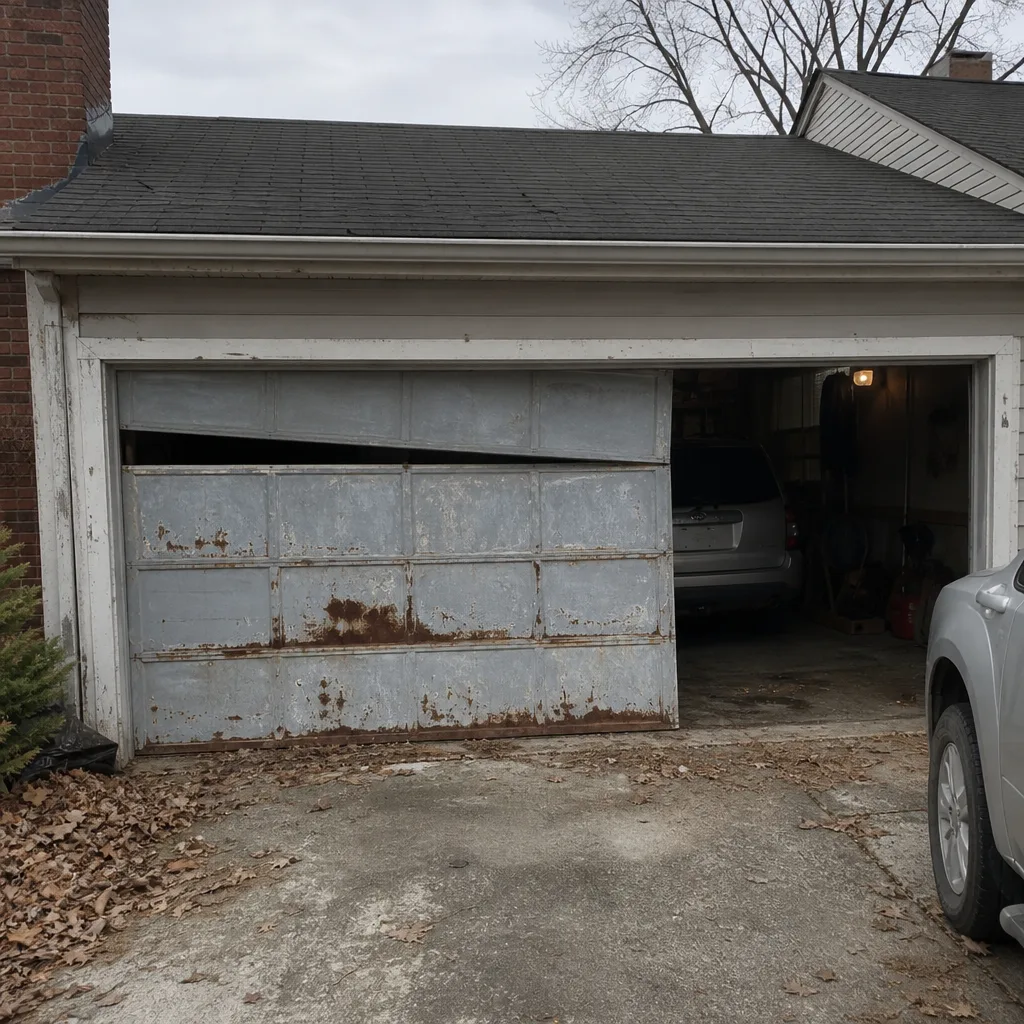 Before
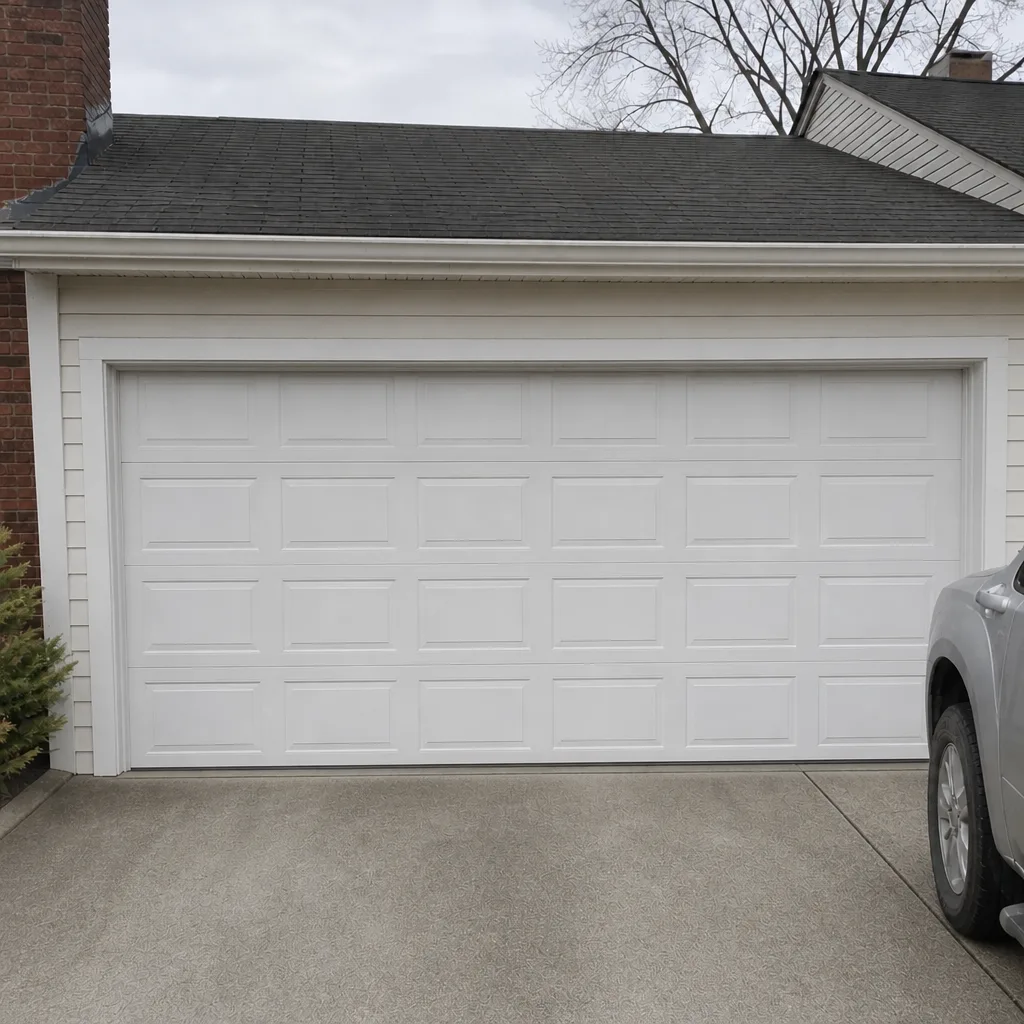 After
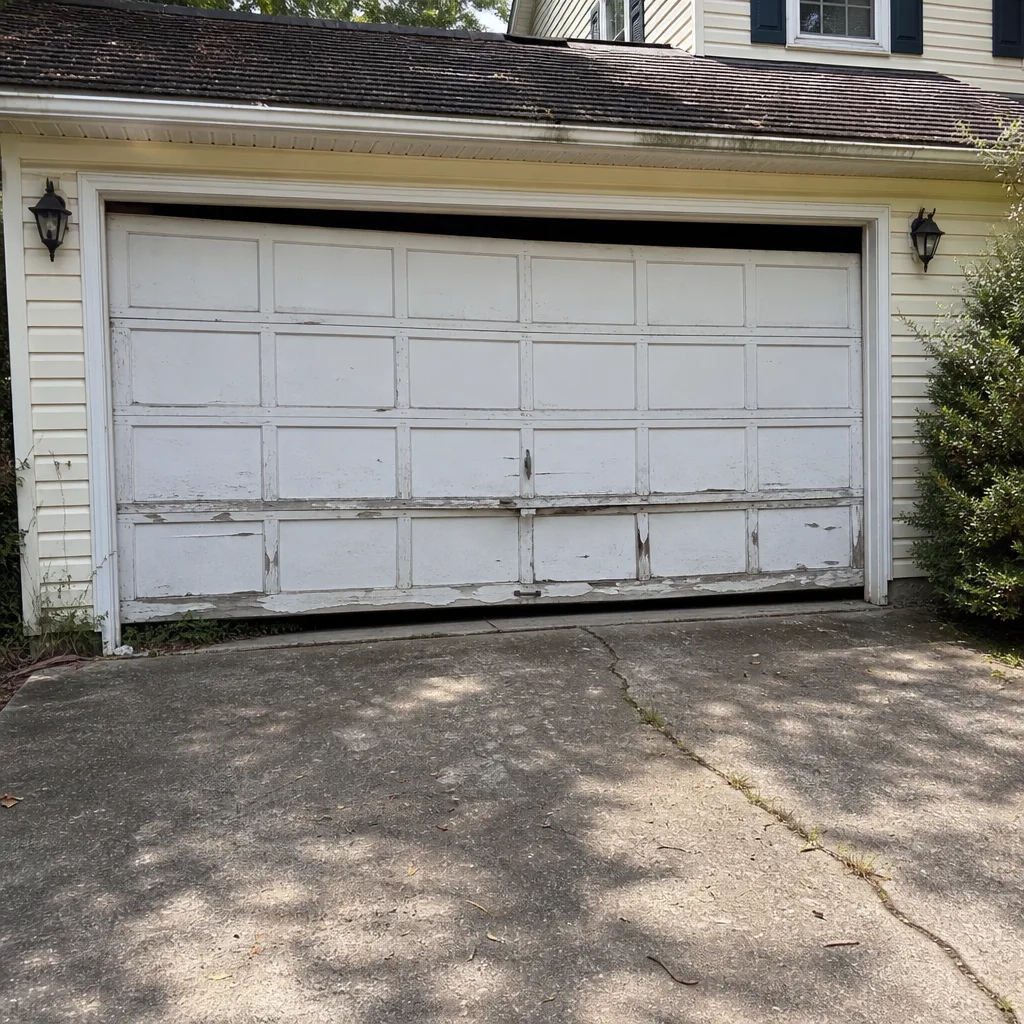 Before
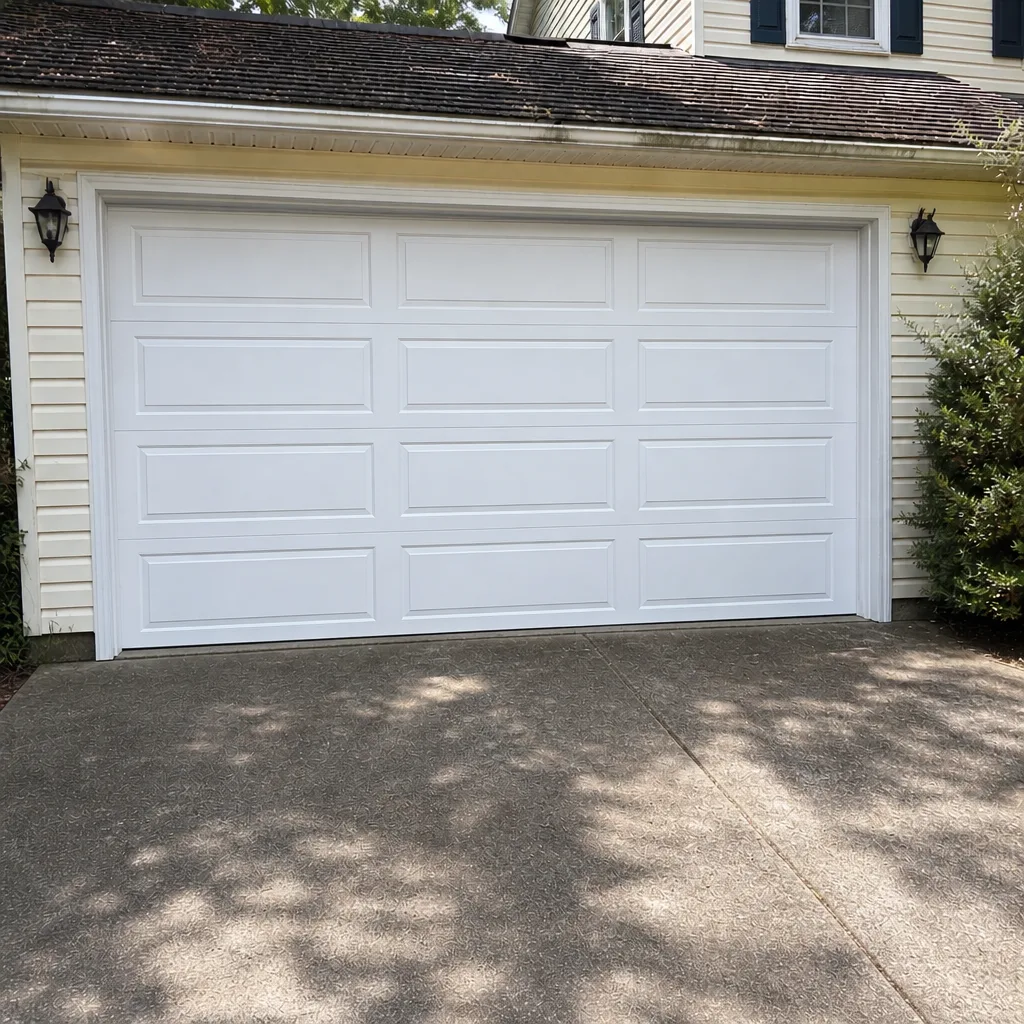 After
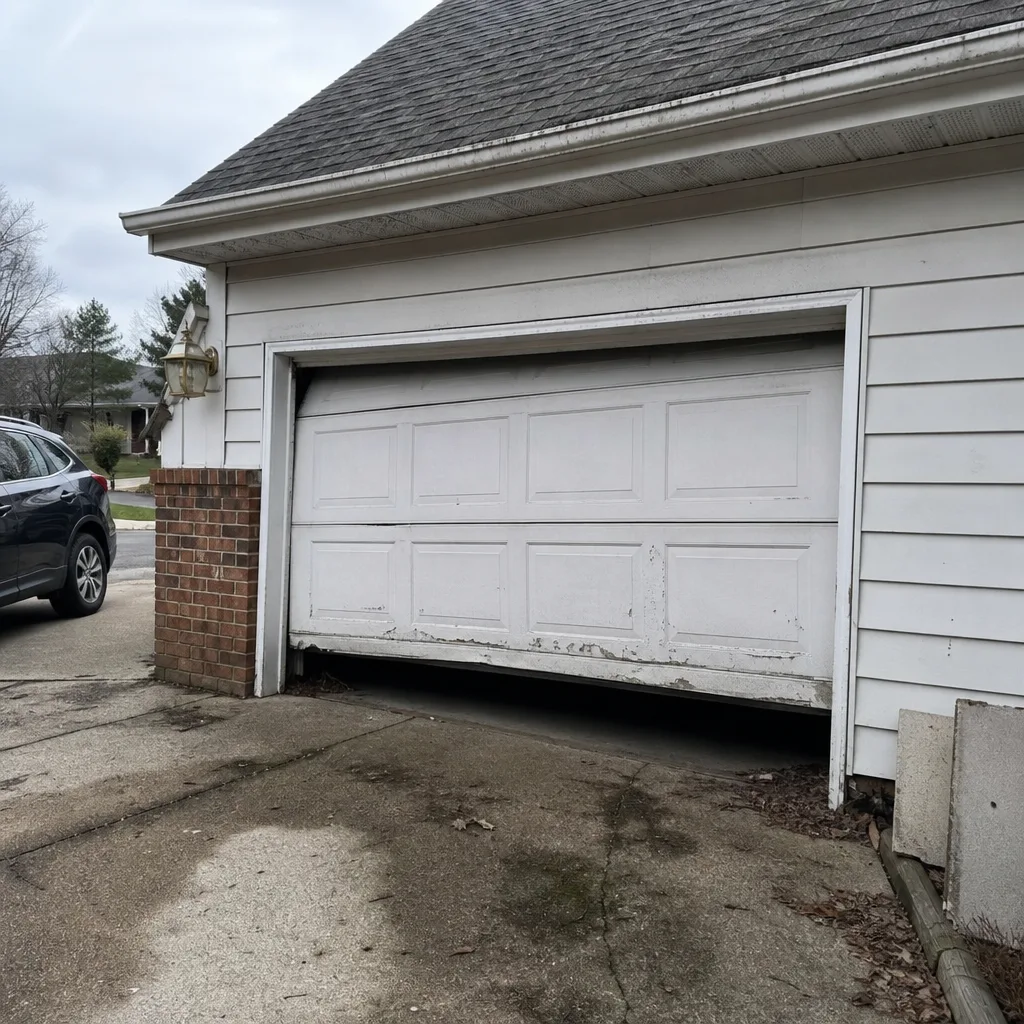 Before
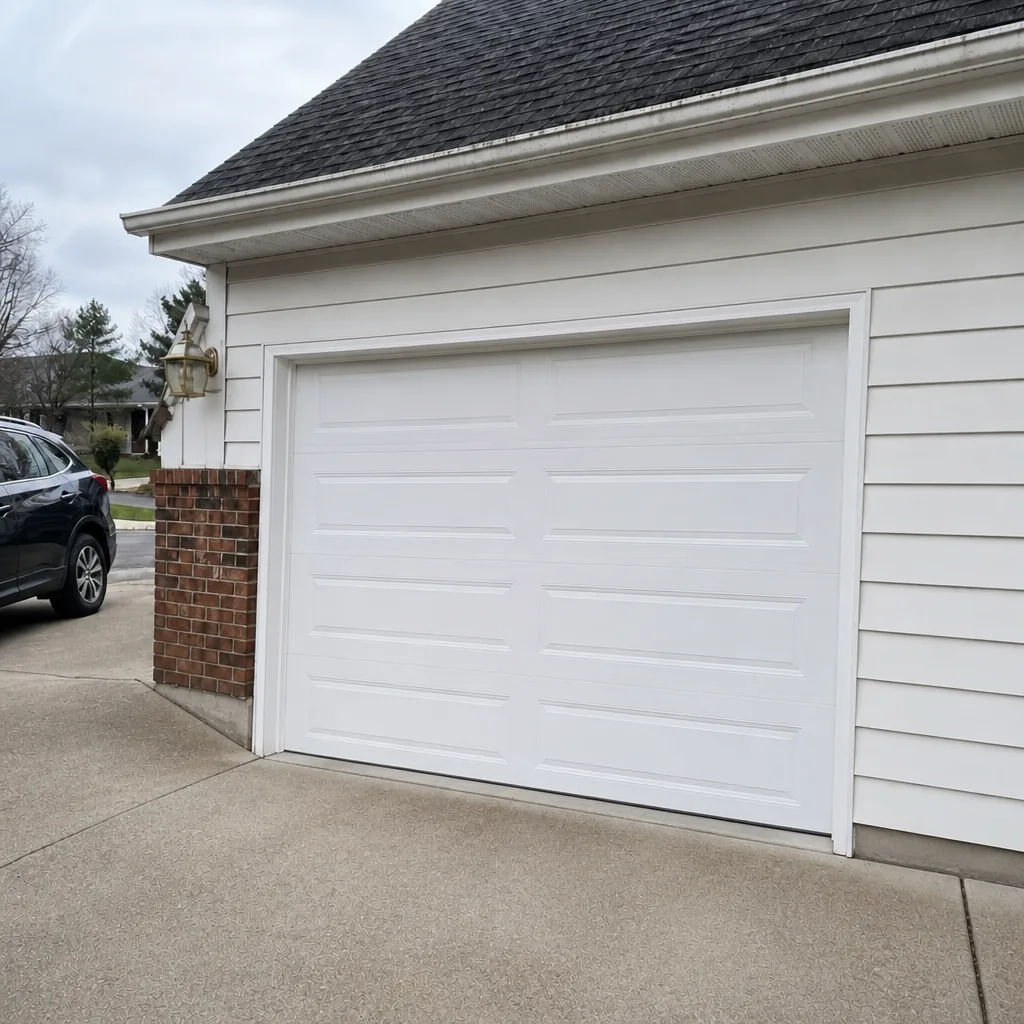 After
Frequently Asked Questions
Springs break most often in January because they accumulate fatigue through dozens of freeze-thaw cycles between October and March, and the first hard freeze pushes a weakened spring past its fatigue limit. The spring has already done the hard work of contracting and expanding repeatedly; January is simply when the last bit of fatigue shows up. It’s not because McLean’s winters are unusually cold. It’s because the thermal swing is unusually wide for the region. Call (844) 493-7480 to book a spring inspection before the hard freeze if you’re not sure of your spring’s condition. Estimates are free.
A heated garage (attached to living space) creates a thermal differential across the door that a detached garage doesn’t, because the interior face is warmer than the exterior face. That differential causes steel doors to warp and wood doors to fail paint along the heated wall, both of which are hidden from the street. Detached garages tend to have a more uniform temperature across the door, so they see less thermal bowing. If your garage is attached, check the interior face of your door in winter, not just the exterior.
Seasonal swelling that resolves by the next dry season is normal and doesn’t need fixing. Swelling that persists into the following summer, or that shows up as paint failure, grain cracking, or the door staying tight against the frame year-round, is the threshold for irreversible swelling. If you’re not sure which category you’re in, compare the door’s fit in July to its fit the following July. If it’s still tight, schedule an inspection. (844) 493-7480.
Weatherstripping is failing if you can feel a draft when you run a hand along the inside edge of the door on a cold morning, or if the strip itself feels flat and doesn’t spring back when pressed. The other test is visual: shine a light along the outside of the door at night and see if light leaks through from the inside. Small leaks matter more than they look; a one-inch gap can let enough cold air in to stress the door’s thermal differential. A technician can confirm and replace in a single visit.
The 48-hour window after the last frost in McLean is the brief period when frozen conditions have lifted but the door has not yet been cycled many times, which means freeze damage to tracks, rollers, and cables is at its most visible without being obscured by wear that hasn’t happened yet. Inspect during this window to catch cable fraying and track misalignment before they turn into a stuck door in spring traffic. The last frost in McLean typically falls between late March and mid-April, though it varies year to year, so watch the forecast.
Yes, we offer same-day emergency service for broken springs, and dispatch runs from 7am to 7pm, Sunday through Friday. Call (844) 493-7480. We answer 24/7, and a call outside dispatch hours is booked into the next opening, Sunday through Friday, 7am to 7pm. Spring repair is a named specialty for us, so we can diagnose and fix the specific system in your garage rather than guessing at a generic replacement.
The Bottom Line
In McLean, seasonal garage door care is about managing a wide thermal range, not a single extreme. Fall prep is the highest-value work of the year, because whatever condition the door enters winter in is the condition it stays in. Spring is the diagnostic window; catch freeze damage within 48 hours of the last frost and small problems stay small. Summer humidity is real but mostly survivable if you know the swelling threshold, and winter exposes a thermal problem in attached garages that most care advice misses. Get the bottom seal and the spring tension baseline right at every season change, and you’ll avoid the majority of emergency calls. Call (844) 493-7480 for a free estimate if you’d rather have a professional assess your door head-on.
Written by the team at McLean Garage Door Repair Pros.