
Last updated November 23, 2026
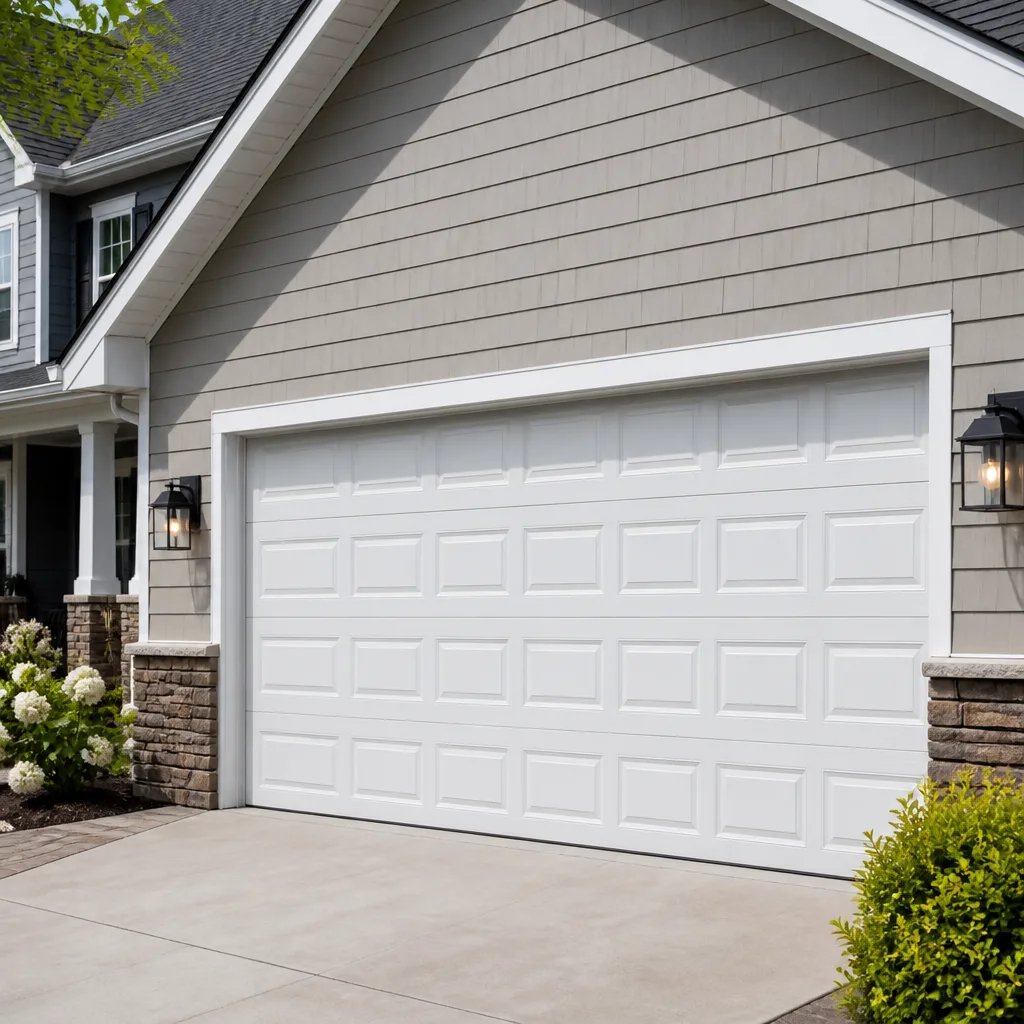 Raised-panel steel
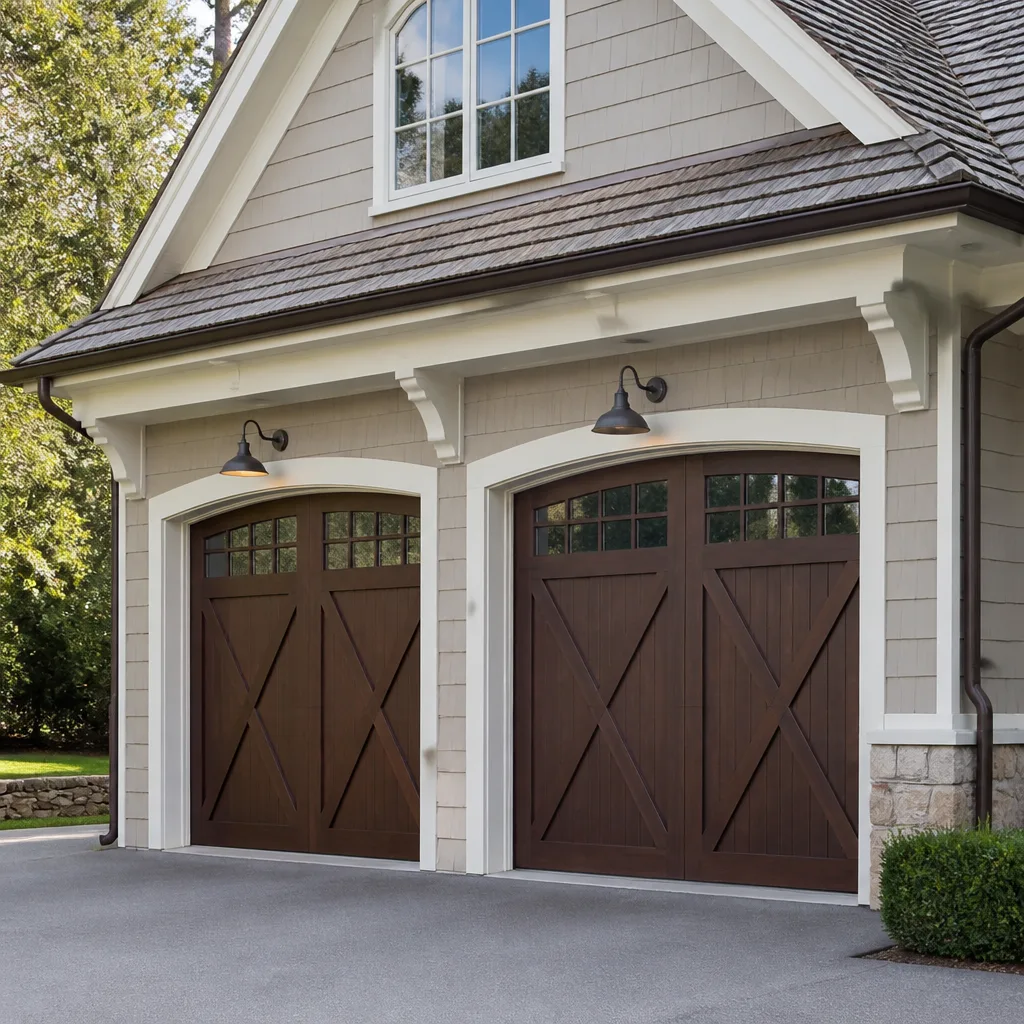 Carriage house
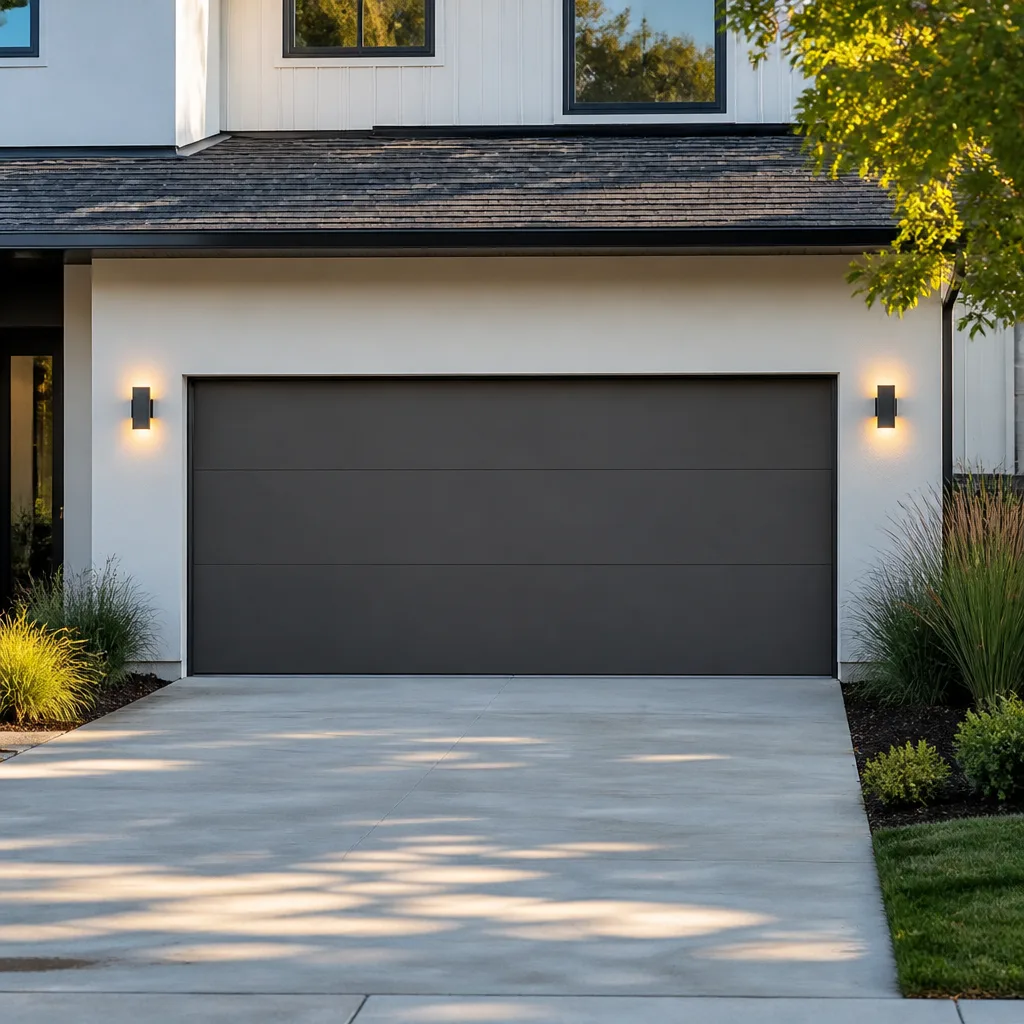 Modern flush
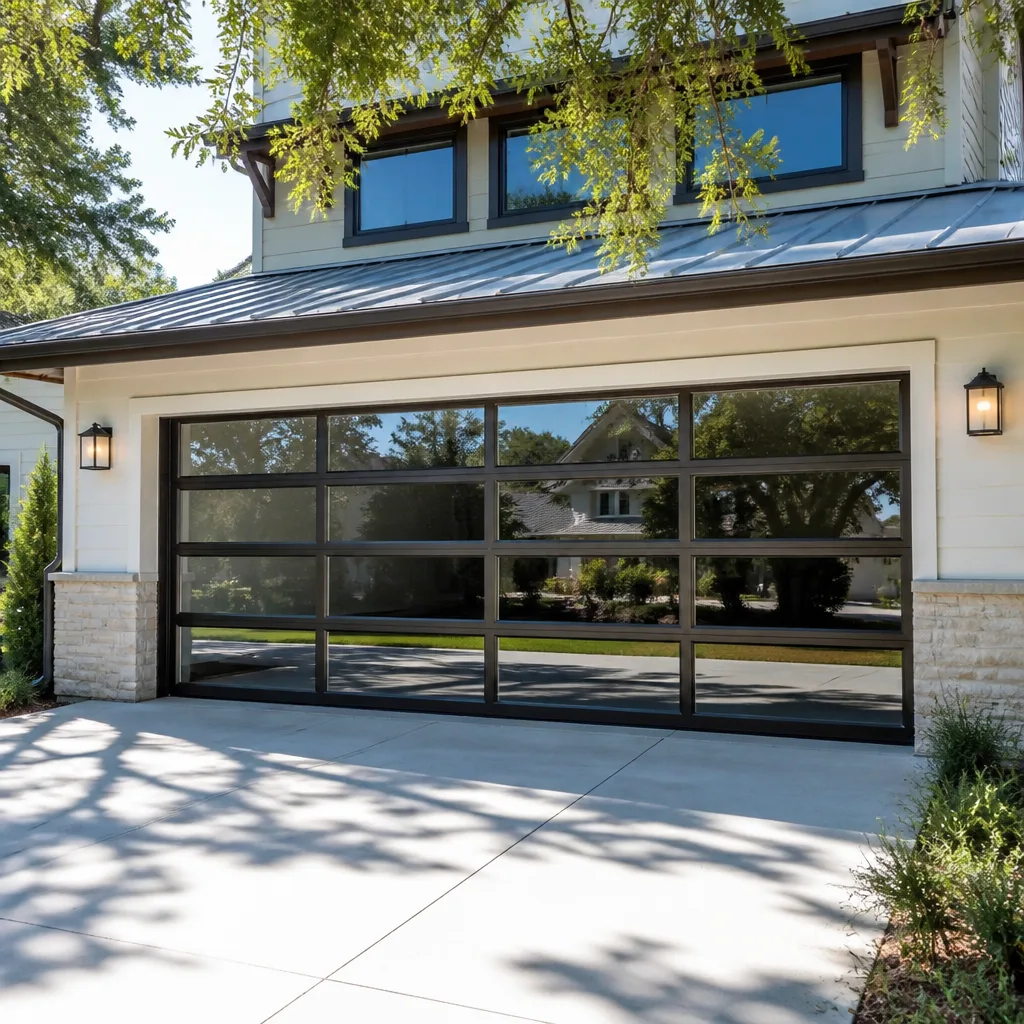 Full-view glass
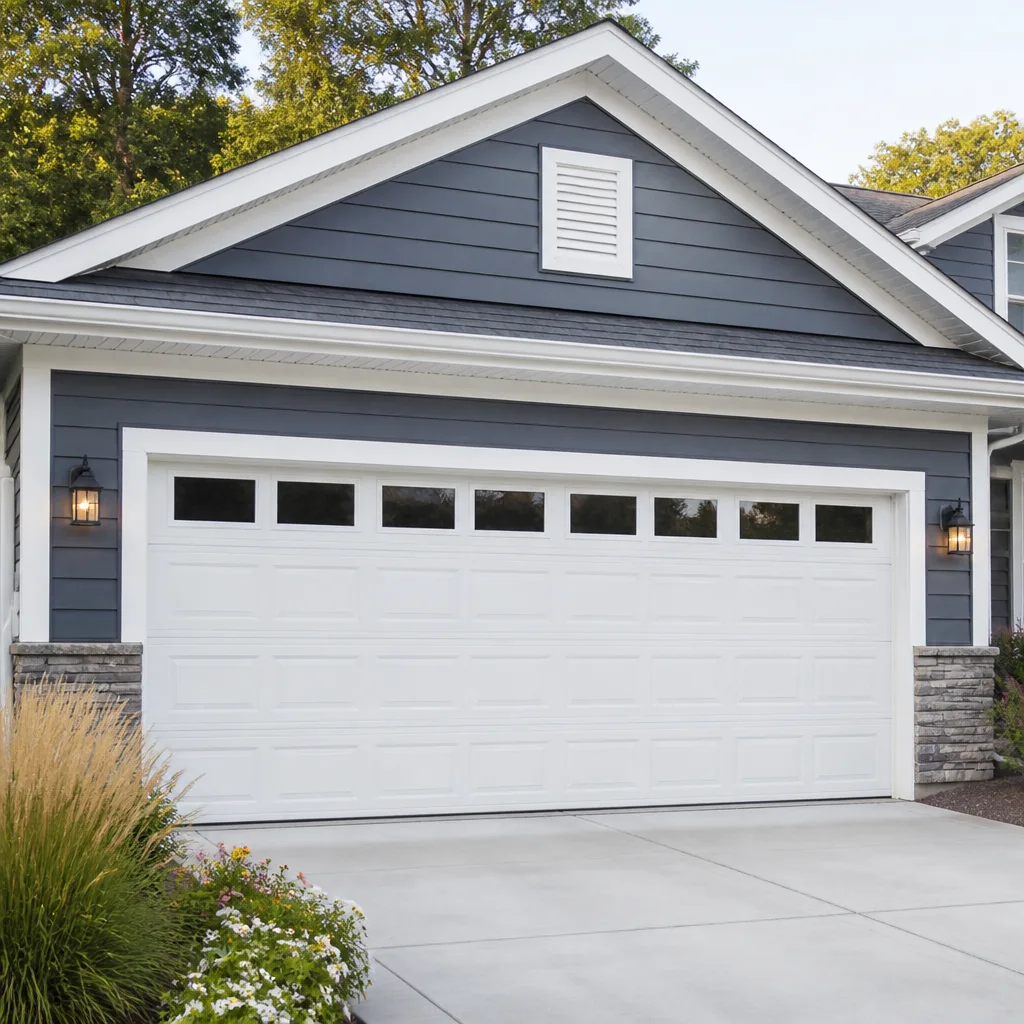 LiftMaster openers
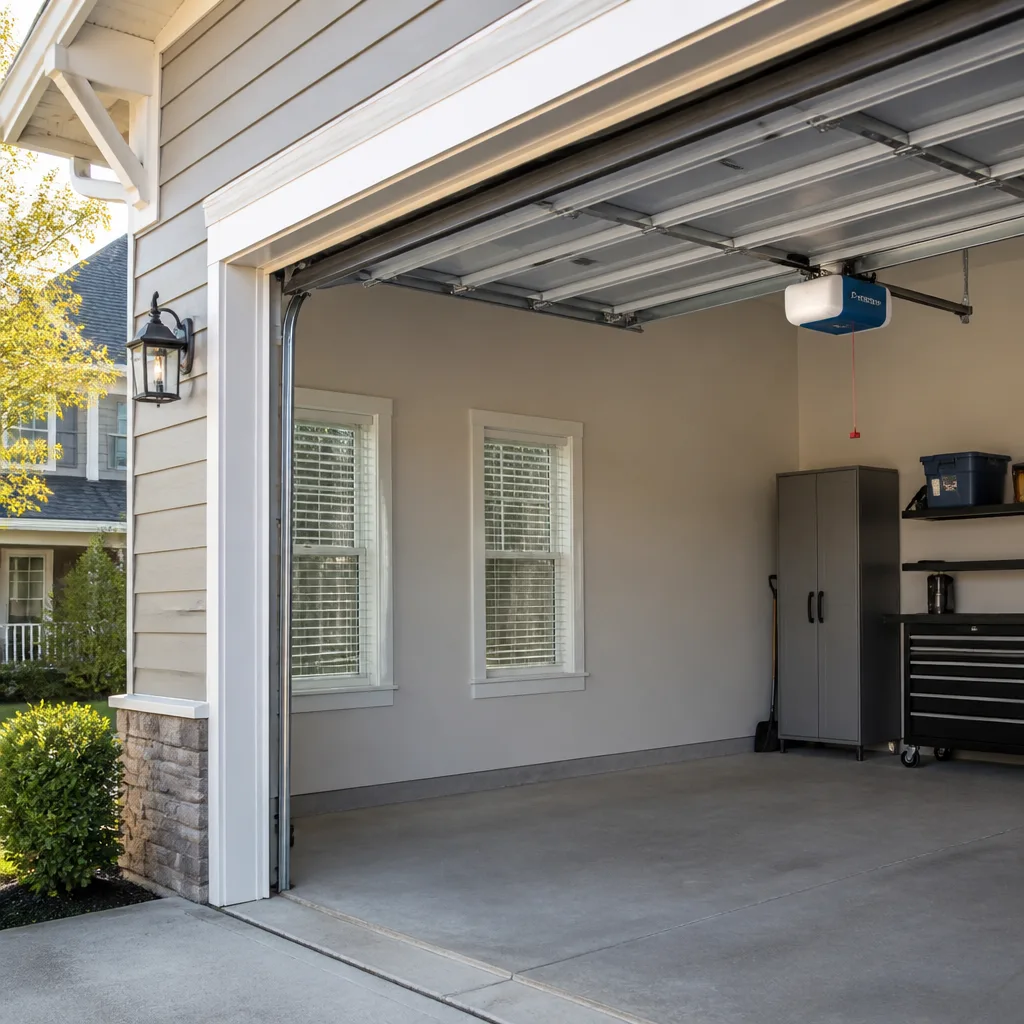 Chamberlain openers
Full 25-point door and opener safety check with every visit - springs, cables, rollers, tracks, and your LiftMaster or Chamberlain opener included
You get a price before we start. It does not change when the pro arrives.
Get your free estimateChoosing the Right Garage Door Brand: A Buyer’s Guide for McLean
Most homeowners in McLean shop for a garage door the way they’d shop for a new car: by comparing finishes, features and the sticker price. That’s backwards. The brand you choose decides what happens on the worst day of the door’s life – when a spring snaps, an opener dies, or a panel gets bent out of alignment. A premium brand with no parts pipeline in Northern Virginia can leave you waiting days for a torsion spring, while a mid-tier brand with distribution down the road gets fixed in an afternoon. This guide covers how brand choice actually plays out in McLean: insulation for our summers and winters, steel gauges that are never labeled the same way twice, warranty language that sounds identical but works very differently, and aesthetic fit for the area’s colonial and Transitional homes. You’ll finish knowing how to compare brands on the things that matter.
Quick Answer
For most homes in McLean, the best garage door brand is the one with local parts distribution, a steel gauge appropriate to the door’s size and insulation needs, and a warranty whose claim process you understand before signing. Clopay, Amarr and Wayne Dalton cover the bulk of what’s installed around here and are serviceable quickly; LiftMaster and Chamberlain dominate the opener side. The premium name matters less than whether a specialist can get the right parts and diagnose your specific system without a week-long wait.
Styles & brands we work with
- Raised-panel steel
- Carriage house
- Modern flush
- Full-view glass
- LiftMaster openers
- Chamberlain openers
Table of Contents
- Why Brand Selection Is Really a Supply Chain Decision
- Parts Availability by Brand in Northern Virginia
- Insulation Values: What R-6, R-12 and R-18 Actually Do in McLean’s Climate
- Steel Gauge Comparison: Decoding Inconsistent Labels
- Warranty Structures: What “Lifetime” Means at Each Manufacturer
- Aesthetic Fit for McLean’s Architectural Styles
- Opener Brands: The Other Half of the Decision
- A Step-by-Step Brand Selection Process
Why Brand Selection Is Really a Supply Chain Decision
A garage door isn’t a finished product you buy once and forget. It’s a mechanical system with wear parts – springs, cables, rollers, hinges, bearings – that will fail on a schedule, and the brand determines how quickly those parts reach your driveway in McLean. That’s the part of the buying decision almost no showroom conversation covers.
Think about what a broken door actually means. If your car is trapped inside, or the door is stuck open with the house exposed, you’re not shopping on price. You’re asking one question: how fast can someone get the right torsion spring, the right drum, the right panel profile? If the answer is “three to five business days from a regional warehouse,” a “cheaper” brand just cost you a week of inconvenience and possibly a rental car.
Beyond speed, consider how long a brand stays supportable. Manufacturers revise panel profiles, discontinue colors and change opener logic boards. Brands with deep distribution in the DC metro tend to keep parts flowing for older doors far longer. In our experience, that’s worth more than a few hundred dollars at purchase.
We work on the brand already in your garage, which means we’ve worked with every major manufacturer enough to see which systems hold up and which ones are easiest to keep running for the long haul. Our technicians have up to 12 years of experience across the eight brands that cover most of what’s installed in McLean homes. The practical takeaway: before you fall in love with a panel style, ask who stocks its parts locally.
Parts Availability by Brand in Northern Virginia
Northern Virginia sits inside a dense distribution corridor, but not every brand has the same depth here. The difference shows up in emergency situations, when a standard part is scarce or a specialty panel has to be ordered.
- Clopay – Widely distributed through professional dealer networks and big-box channels across the DC metro, so common springs, hinges and panel profiles are usually obtainable quickly. This is the brand you’ll encounter most often in McLean subdivisions.
- Amarr – Solid distribution in the Mid-Atlantic. Standard residential parts are generally accessible; unusual colors or premium panel styles can take longer.
- Wayne Dalton – Common models are straightforward to service here. Some older or discontinued profiles require a lead time, which matters if you’re matching an existing door rather than replacing both.
- Raynor – Available through professional channels, but less represented in retail, so parts often move through the dealer supply chain rather than sitting on a shelf nearby.
- LiftMaster and Chamberlain – These dominate the opener side rather than doors. Logic boards, remotes, photo-eye sensors and gear kits are broadly available, which is one reason they’re the default for many McLean homes.
- Genie and Craftsman – Common in older installations around McLean. Parts are generally obtainable, though very old Craftsman units can require sourcing refurbished components.
What this means practically: a Clopay or Amarr door is rarely a problem to keep running in McLean. A less-distributed brand isn’t automatically wrong, but you should expect longer waits for non-standard parts and plan accordingly rather than discover it during a failure.
Insulation Values: What R-6, R-12 and R-18 Actually Do in McLean’s Climate
McLean sits in a mixed climate – hot, humid summers and genuine winter cold. That matters for a garage door because the door is often the largest uninsulated surface on the house, and its R-value affects both energy loss and comfort in rooms above or beside the garage.
Here’s the honest breakdown of what insulation actually buys you:
- R-6 (single-layer steel with a thin backer) – Better than nothing. Fine for a detached garage or one where you don’t care about temperature. You’ll still feel summer heat and winter cold radiating off it.
- R-12 (two-layer steel with polystyrene or polyurethane core) – The realistic sweet spot for most attached garages in McLean. It reduces heat transfer noticeably and adds structural rigidity, which reduces noise and denting.
- R-18 and above (three-layer, polyurethane core, thermal breaks) – Worth it when the garage shares a wall or floor with living space, or if you plan to condition the garage. Beyond that, the energy savings get small relative to the extra cost.
Be careful about how R-values are marketed. Some manufacturers quote the center-of-panel value, others quote the whole-door value including the frame – and those numbers aren’t the same. For an attached garage in McLean, going from an uninsulated door to R-12 usually delivers the most noticeable comfort improvement per dollar. For a detached garage used for storage or a workshop, R-6 is often plenty and you can put the savings elsewhere.
If you want the door to actually perform, the insulation value matters less than installation quality. A high-R door hung poorly, with gaps at the sides and an unsealed bottom, leaks air and wastes the money you spent. That’s why a proper measure and a careful install belong together.
Steel Gauge Comparison: Decoding Inconsistent Labels
Steel gauge is where brand marketing gets genuinely confusing. The industry doesn’t standardize how thickness is described, and a lower gauge number means thicker steel – but not every manufacturer labels it the same way, and some advertise “24-gauge” when the actual measured thickness is closer to 27.
A few ground rules for comparison:
- Know the gauge scale. 24-gauge is thicker than 25, which is thicker than 27. For residential doors, 24 to 25 gauge is the practical standard for anything but the lightest single-car doors.
- Ask for measured thickness in inches, not just gauge. Reputable manufacturers publish actual steel thickness. Compare that number across brands rather than the gauge label alone.
- Match gauge to door width. A double-car door needs thicker steel than a single. A 24-gauge door at 16 feet wide is under-built; 25-gauge at 9 feet can be fine.
- Weigh the insulation construction. A steel skin over a polyurethane core is stiffer than the same skin over polystyrene or a steel backer.
- Check the warranty language on denting. Some “lifetime” warranties exclude dents entirely.
In our experience working on Raynor, Clopay and Amarr doors across McLean, the doors that hold their shape and resist dents over time tend to be the ones where the steel and insulation were matched correctly to the opening size. The brand name is less predictive than the spec sheet and the installation.
Warranty Structures: What “Lifetime” Means at Each Manufacturer
“Lifetime warranty” is marketing shorthand for very different things depending on the brand. The word “lifetime” usually refers to the original purchaser’s ownership of the home – not the actual lifetime of the door – and coverage differs heavily between steel, hardware and finish.
- Clopay – Typically offers tiered warranties. The headline “lifetime” often applies to the door sections against certain defects, with shorter terms on hardware, springs and finish. What’s covered, and for whom, depends on the model line.
- Amarr – Similar tiered structure. Springs and moving parts usually carry shorter coverage than the door itself, and finish warranties have their own terms.
- Wayne Dalton – Warranty varies widely between model families. Budget lines get limited coverage; premium lines extend it. Read the specific line’s documentation rather than assuming.
- Raynor – Professional-channel warranties are often model-specific and can be more detailed than retail lines. Ask for the written terms.
The claim process is where the marketing language meets reality. Most warranties require proof of purchase, correct original installation, and an authorized service provider to submit the claim. Many exclude labor, so even a “covered” part replacement can cost you the service call. The practical move is to keep your install paperwork and to have any repair documented by a qualified specialist.
When a part fails, the first step is a diagnosis – not a warranty conversation. We handle garage door repair across McLean and can tell you which part failed and whether the fix is warranty-covered, without you having to guess.
Aesthetic Fit for McLean’s Architectural Styles
McLean’s housing stock leans traditional – colonial and Transitional homes dominate many established neighborhoods, with a growing number of contemporary builds mixed in. A door that looks right on a modern farmhouse can look like an afterthought on a brick colonial. The panel profile and hardware do more of the visual work than the paint color.
Matching the door to the architecture:
- Colonial – Raised-panel steel doors with traditional proportions and simple black or dark hardware fit best. Avoid flat slab or glass-panel styles here; they compete with the window grid.
- Transitional – A blend of classic paneling with cleaner lines. Carriage-house styles with decorative hardware work well on detached garages and breezeways.
- Contemporary – Full-view glass, flush panels and aluminum frames. Insulation-friendly glass options matter more here for year-round comfort.
Hardware – hinges, handles, decorative straps – should match the door’s architectural era, not just the house’s trim color. Oversized carriage hardware on a compact single-car door reads as costume rather than character. When a door is beyond saving and you’re choosing a replacement, aesthetic fit is a genuine part of the decision, and it’s worth seeing samples before committing. A full garage door installation gives you the chance to match profile, color and hardware to the house’s period rather than the previous owner’s taste.
Opener Brands: The Other Half of the Decision
You’re really making two brand decisions – the door and the opener – and they interact. An opener sized and matched correctly to a heavy insulated door runs quieter and lasts longer; one mismatched to a heavy R-18 door works harder and can fail prematurely.
On the opener side, LiftMaster and Chamberlain dominate North American residential installations, which is a real advantage: parts, remotes and logic boards are easy to source in the DC metro, and technicians know the systems inside out. Genie and Craftsman are common in older McLean homes and remain serviceable. The key considerations:
- Horsepower vs. door weight. Heavier insulated doors need a stronger opener. A 1/2 HP unit on a large insulated door is a mismatch.
- Belt drive vs. chain drive. Belt drive is quieter – useful on attached garages where the opener is under a bedroom. Chain drive is louder but durable.
- Safety features. Photo-eye sensors and auto-reverse are standard and non-negotiable; a specialist checks they work correctly after any opener work.
- Smart features. Many modern openers connect to apps. Useful, but a secondary concern next to safe operation.
Opener repair calls are one of the most common reasons we’re in McLean driveways. If your opener is dead, we’ve got garage door opener repair covered across the brand spectrum – LiftMaster, Chamberlain, Genie and Craftsman among them.
A Step-by-Step Brand Selection Process
Here’s a practical sequence for choosing a door brand in McLean that prioritizes what matters over what’s advertised.
- Identify what’s installed now. Before choosing, look at your existing door and opener labels. Knowing your current brand tells you whether staying with it (for parts commonality) or switching makes sense.
- Check local parts availability. Ask a specialist which brands have reliable distribution in the DC metro for the door style you’re considering. This is the single most under-weighted factor.
- Match insulation to the garage type. Attached garage in McLean: aim for R-12 or better. Detached: R-6 is often enough.
- Compare steel by measured thickness. Ask for actual steel thickness and match it to the opening width. Ignore raw gauge labels.
- Read the warranty tiers, not the headline. Confirm what’s covered on sections, hardware, springs and finish, who the warranty benefits, and whether labor is included.
- Match the door to the architecture. View panel profiles against your home’s style before ordering. Samples are worth the effort.
- Get a free measure and a written estimate. A brand recommendation without a proper measure is guesswork. Installation work is scheduled, not same-day.
Common Mistakes to Avoid
- Choosing by finish color first. Color is the easiest thing to change and the least important decision. Get the supply chain and specs right, then pick the color.
- Trusting the word “lifetime” without reading the terms. “Lifetime warranty” almost never covers labor, springs or finish, and it’s usually tied to the original purchaser. Read the actual tiers.
- Buying a heavy insulated door with an underpowered opener. In a McLean home with an attached garage, this is a common source of premature opener failure. Match horsepower to door weight.
- Ignoring parts availability for non-standard brands. A cheaper specialty brand can mean multi-day waits during a spring failure, exactly when you need speed.
- Comparing gauge labels across brands without checking measured thickness. The numbering isn’t standardized the way many buyers assume.
- Choosing an aesthetic that fights the house. A contemporary flush door on a brick colonial in an established McLean neighborhood tends to look added-on. Match the architecture.
- Skipping the measure to “just order the door.” Dimensions and headroom determine what will fit and how it installs. Guessing leads to returns and delays.
See the difference
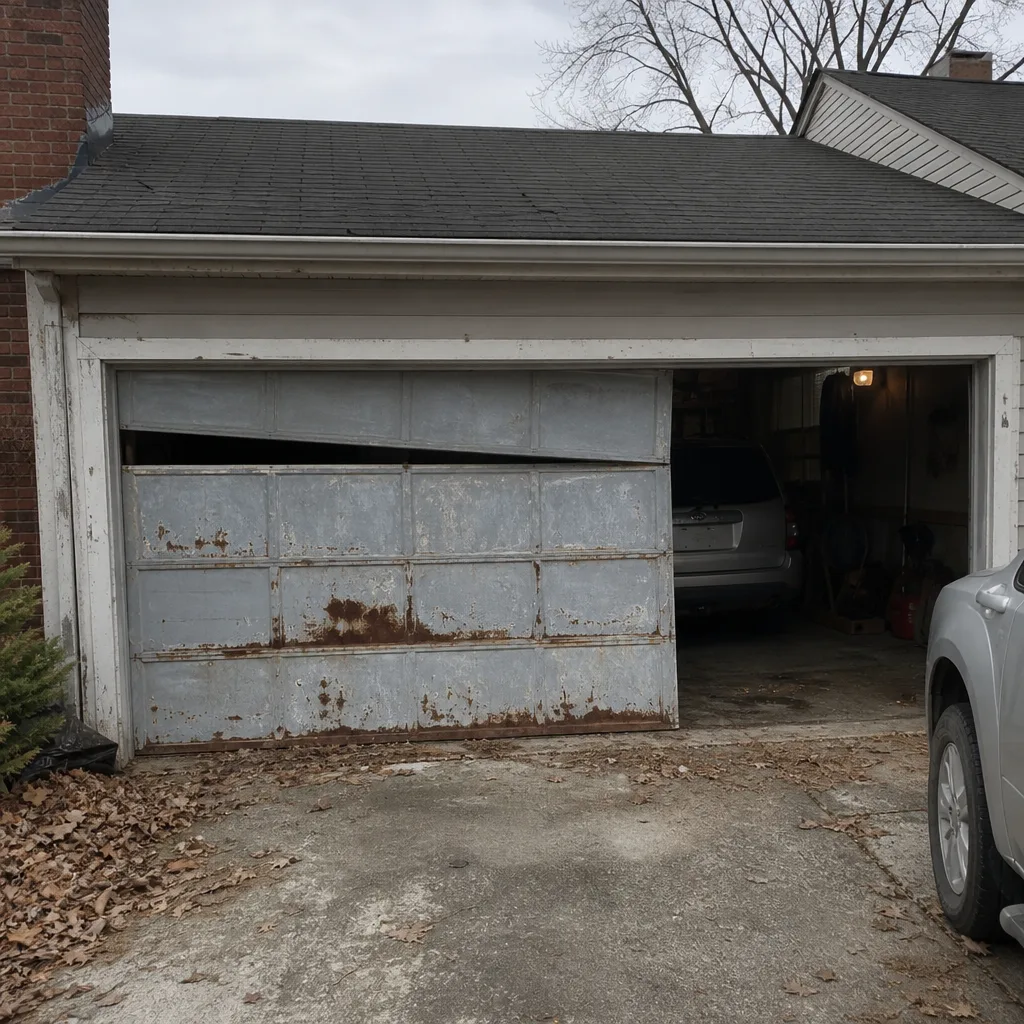 Before
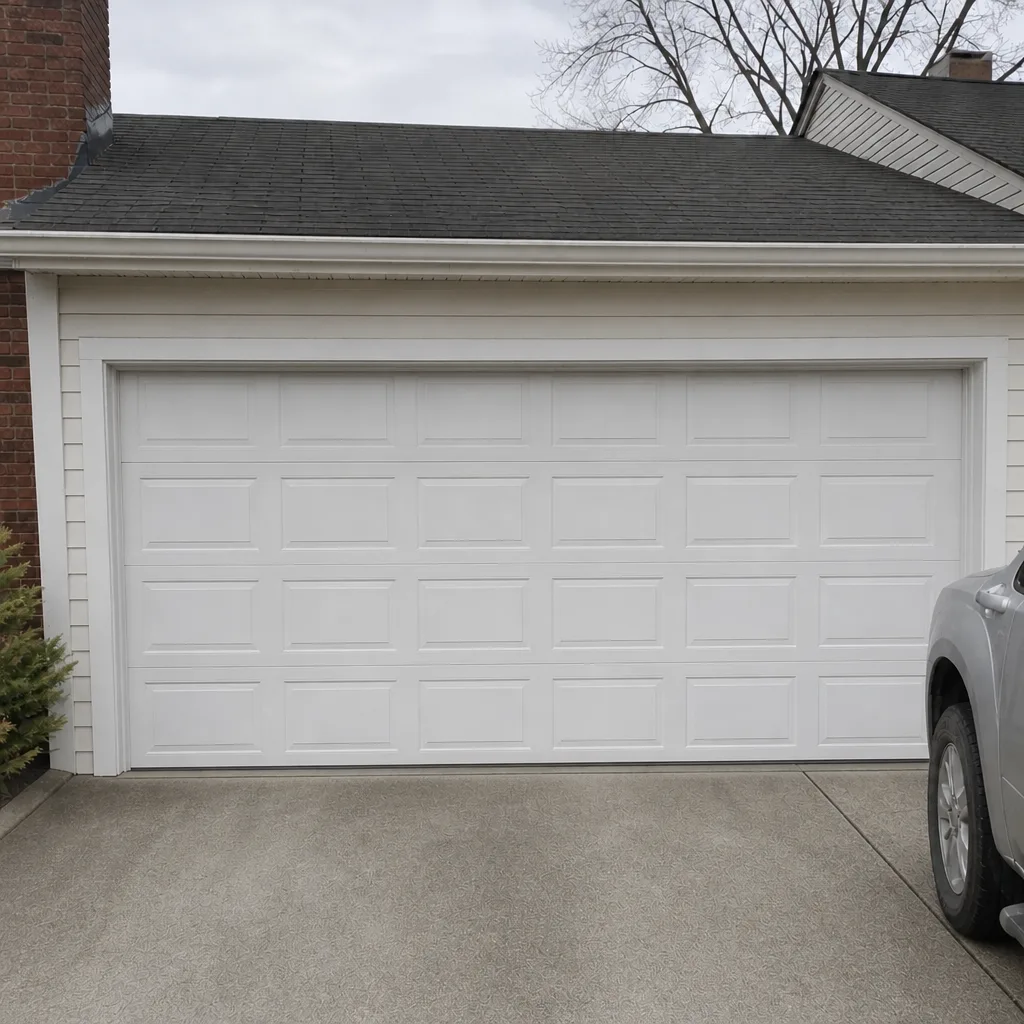 After
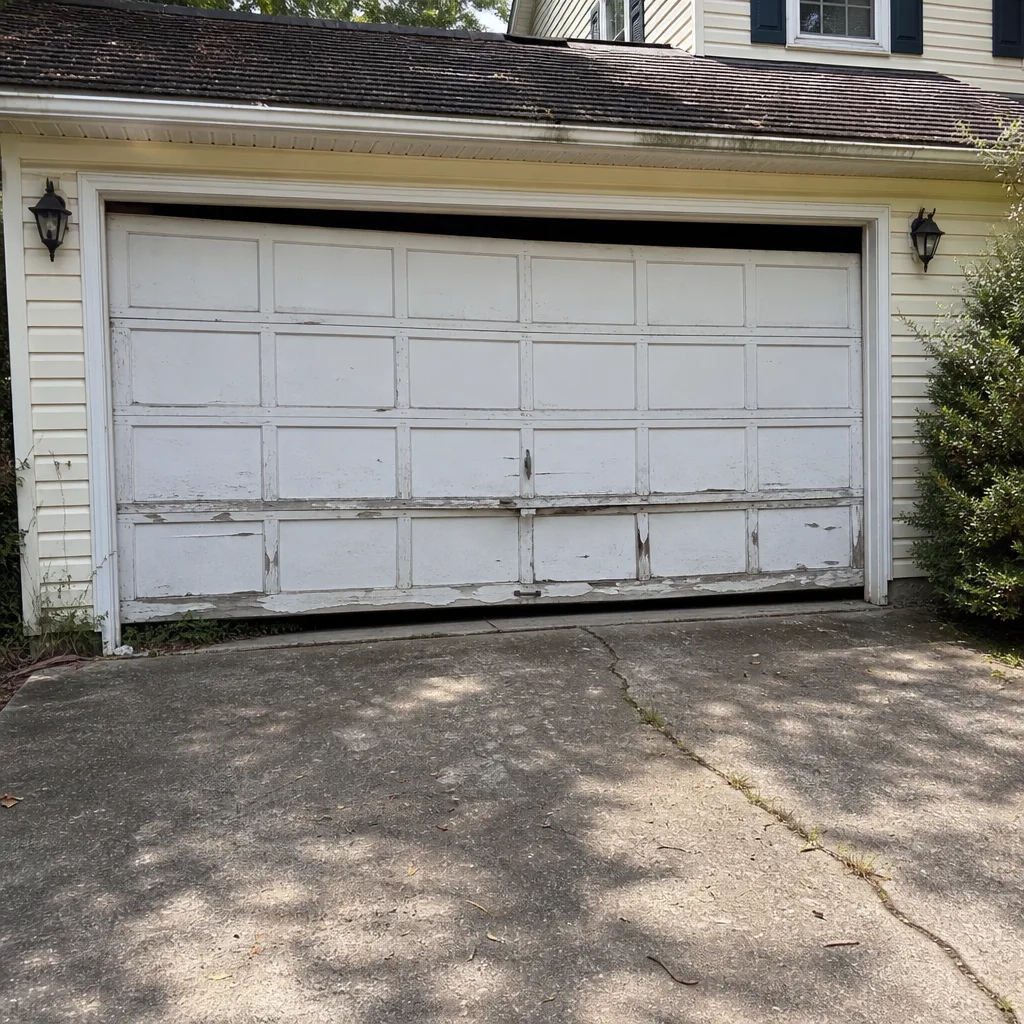 Before
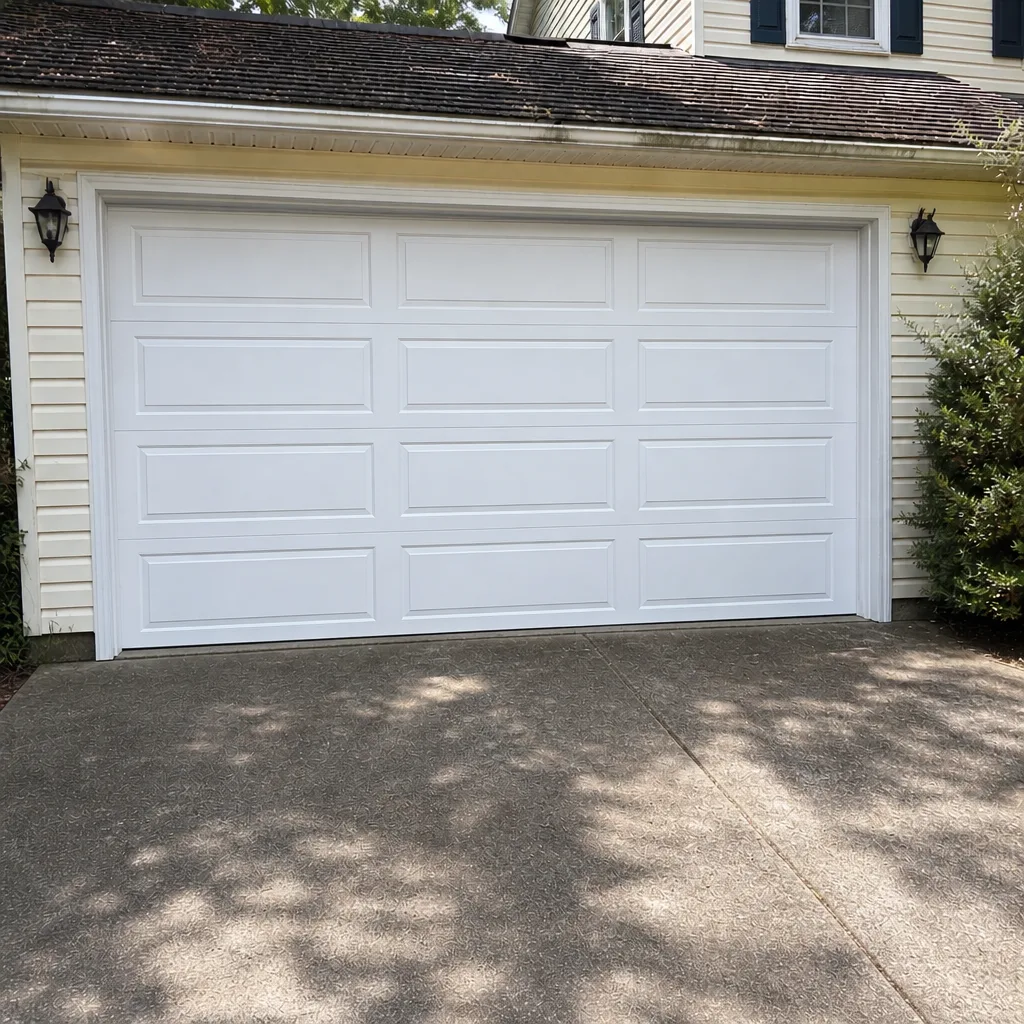 After
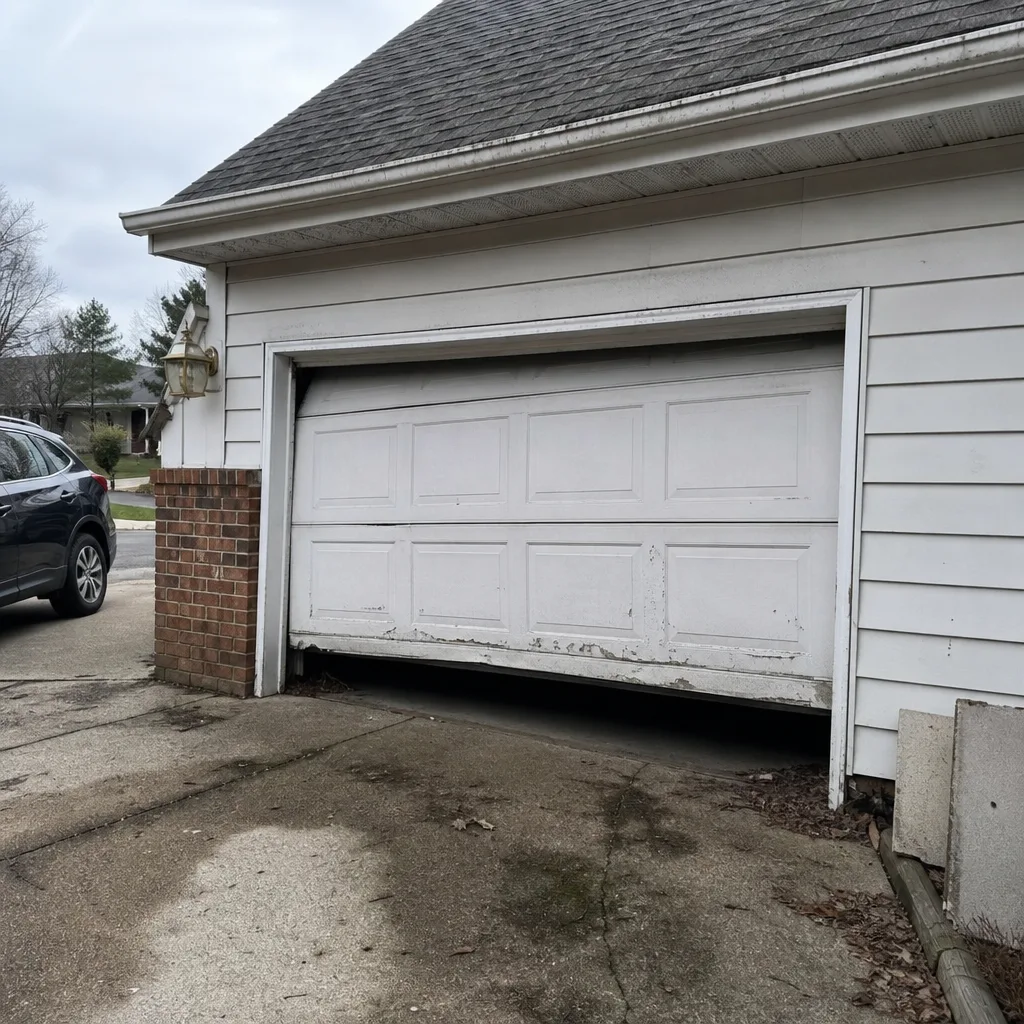 Before
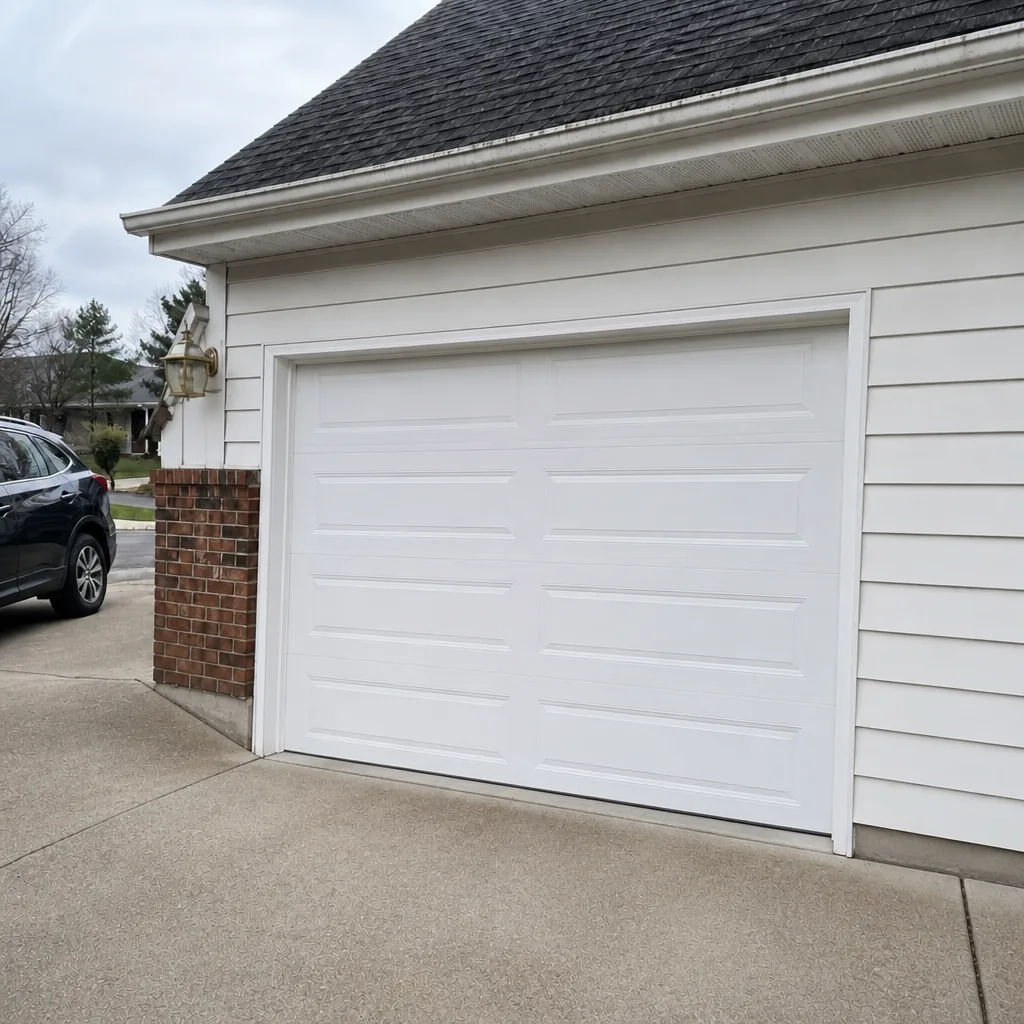 After
When to Call a Professional
Brand research is useful, but some decisions need someone who works on these systems daily. Call a professional if you’re unsure which brand is serviceable locally, if your existing door is a brand with limited distribution and you’re weighing replacement versus repair, if you’re pairing a new opener with a heavy insulated door, or if you’re choosing a replacement and want the specs and the measure verified before you commit. Spring, cable and opener work aren’t DIY territory – the stored tension in a torsion spring can seriously injure an untrained person, and it’s a job for a trained technician with the right tools. McLean Garage Door Repair Pros offers free estimates in McLean – call (844) 493-7480. Our technicians have up to 12 years of experience, and we work on the brand already in your garage. For spring work specifically, our garage door spring repair team handles the high-risk repairs that come up when a brand’s parts are hard to source.
Frequently Asked Questions
Clopay is the most commonly installed and easiest to service brand in McLean, followed by Amarr and Wayne Dalton for residential doors. The “best” brand is the one with reliable local parts distribution, a steel gauge matched to your door width, and a warranty you’ve read in full. Call (844) 493-7480 for a free estimate – estimates are free.
Yes, but mainly for attached garages. McLean’s hot summers and cold winters make R-12 a sensible baseline for an attached garage, while a detached garage used for storage is usually fine at R-6. Going beyond R-18 rarely pays back unless you’re conditioning the garage or it shares living space. Call (844) 493-7480 for a free estimate on an insulated door.
Usually the door sections against certain defects, not the springs, hardware or finish, and it’s typically tied to the original purchaser. Clopay, Amarr and Wayne Dalton all tier their coverage differently, and labor is often excluded. Keep your paperwork and have repairs documented by a qualified specialist. Call (844) 493-7480 for a free estimate – estimates are free.
Sometimes, but check parts availability in your area first. A brand with no local distribution can mean multi-day waits during a spring failure, which is exactly when you need speed. If you’re unsure, call (844) 493-7480 and we’ll tell you what’s practical to service in McLean.
Often yes, especially if the door is already showing age or you’ve had repeated parts delays. A brand with solid distribution in McLean reduces future downtime and makes repairs straightforward. We can assess whether repair or replacement makes more sense and give you a free written estimate. Call (844) 493-7480.
You can call and we’ll schedule a free measure and written quote, but new door work is measured, ordered and scheduled – not same-day. Repair calls can often be handled quickly; installation follows a proper measure. Call (844) 493-7480 for a free estimate. We answer 24/7, with fast dispatch from 7am to 7pm, Sunday through Friday.
The Bottom Line
Choosing a garage door brand in McLean comes down to three things that rarely appear in showroom marketing: local parts availability, steel and insulation specs matched to your actual garage and opening, and a warranty whose claim process you’ve read before signing. The premium name matters far less than whether a specialist can diagnose and service your specific system quickly. Clopay, Amarr and Wayne Dalton cover most McLean installations; LiftMaster and Chamberlain dominate the opener side. Aesthetic fit is real but secondary to the underlying supply chain. If you’re weighing brands for a repair or a replacement, get a real answer from people who work on these systems daily.
Ready to sort out which brand is right for your door? Call McLean Garage Door Repair Pros at (844) 493-7480 for a free estimate. We answer 24/7, with fast dispatch from 7am to 7pm, Sunday through Friday. For general service, see McLean Garage Door Repair Pros.
Written by the team at McLean Garage Door Repair Pros.