
Last updated November 23, 2026
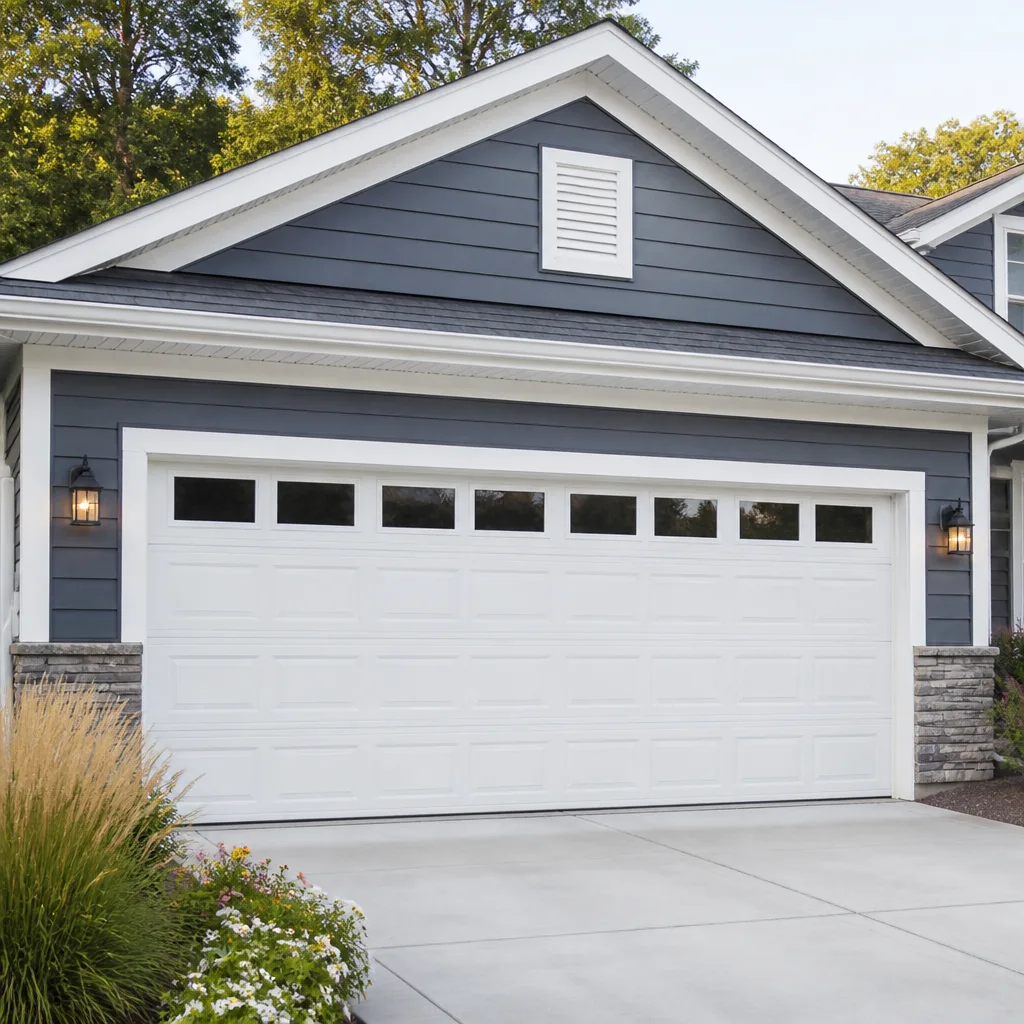
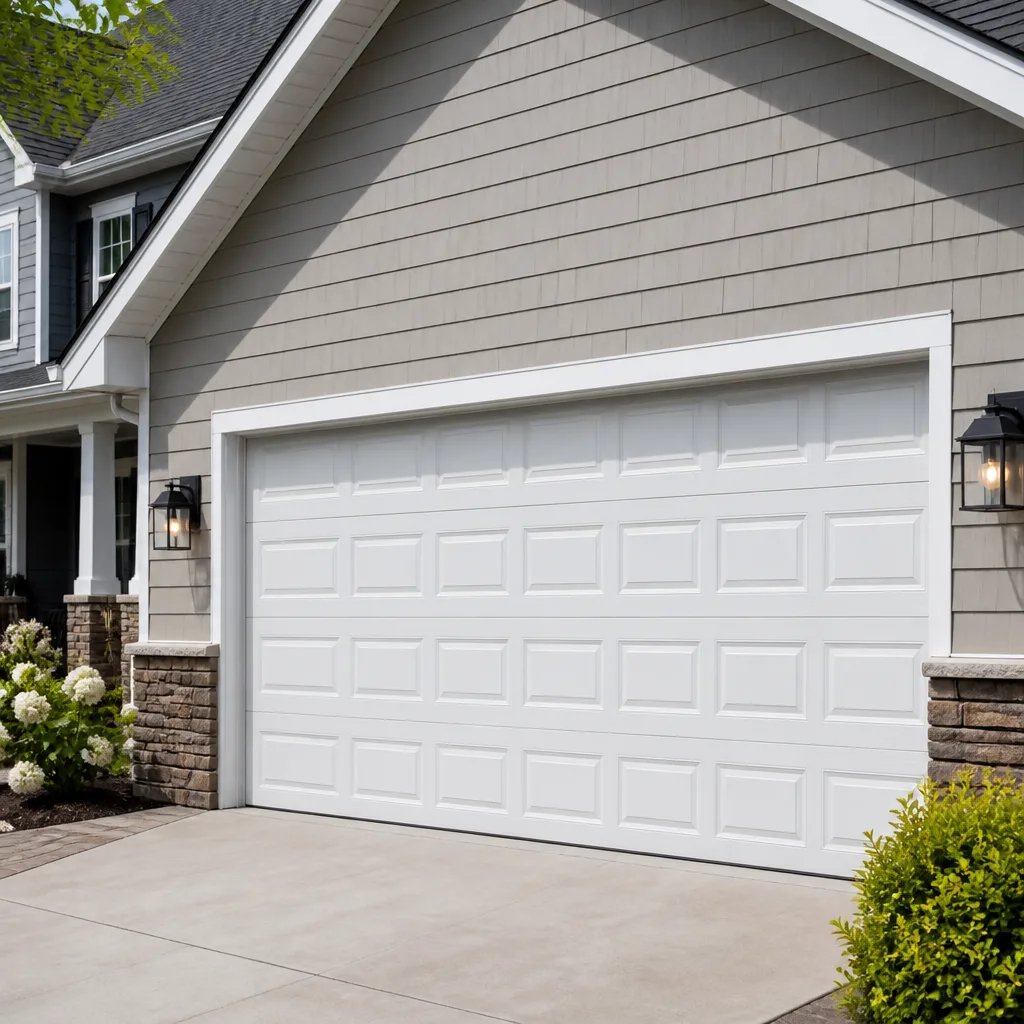 Raised-panel steel
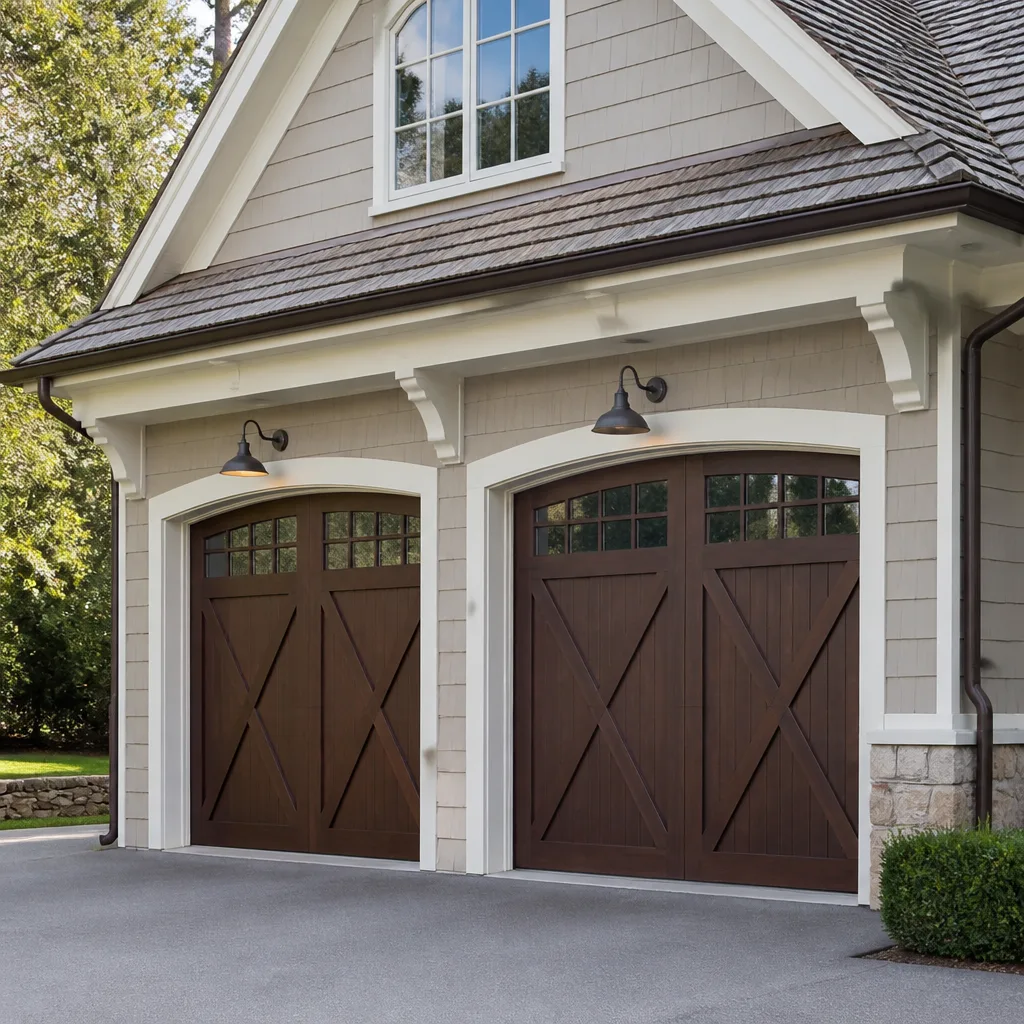 Carriage house
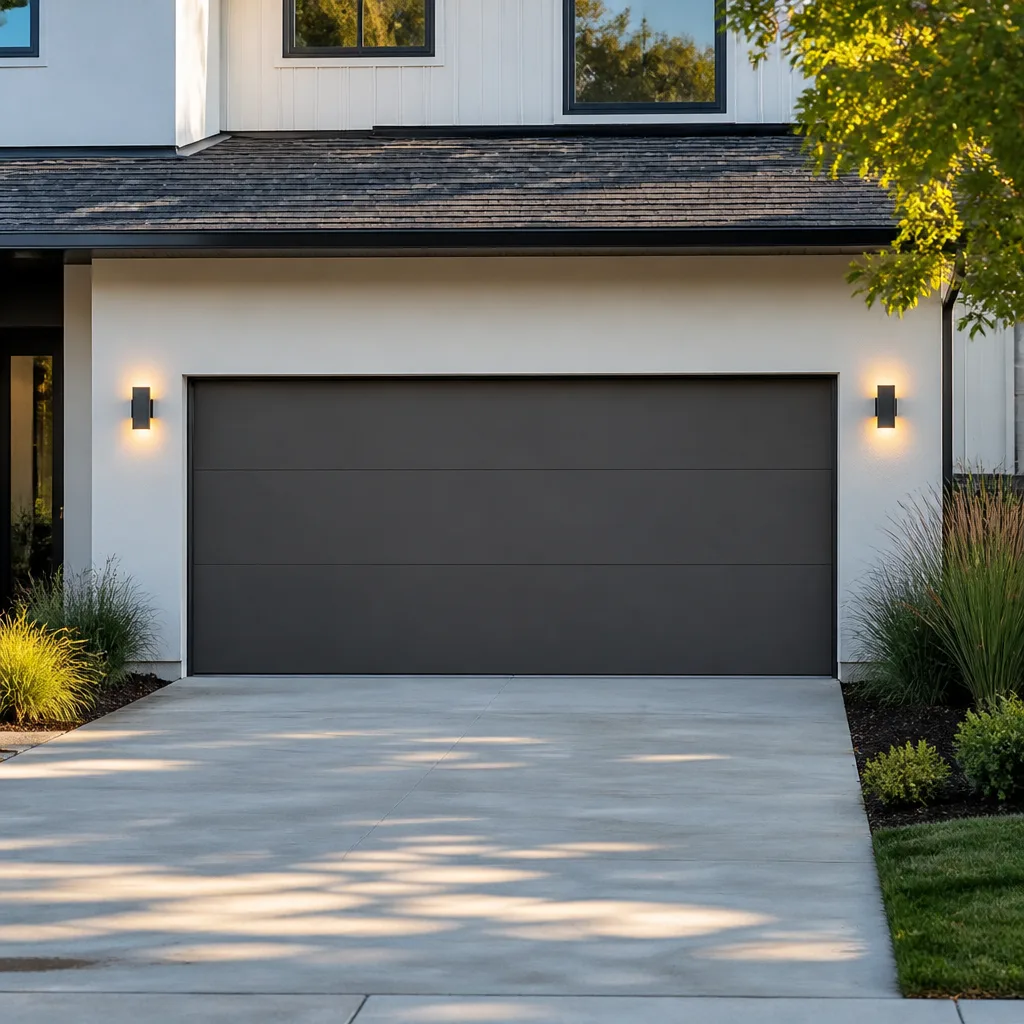 Modern flush
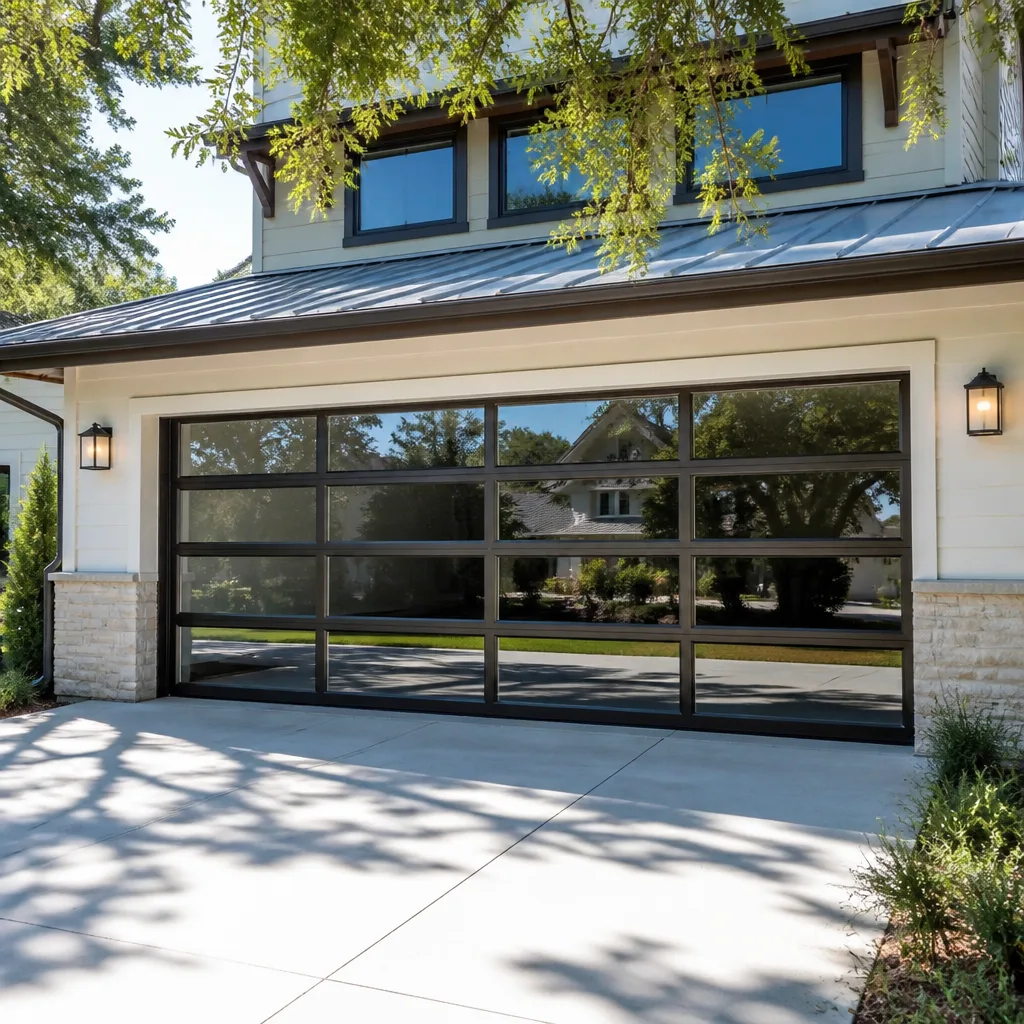 Full-view glass
 LiftMaster openers
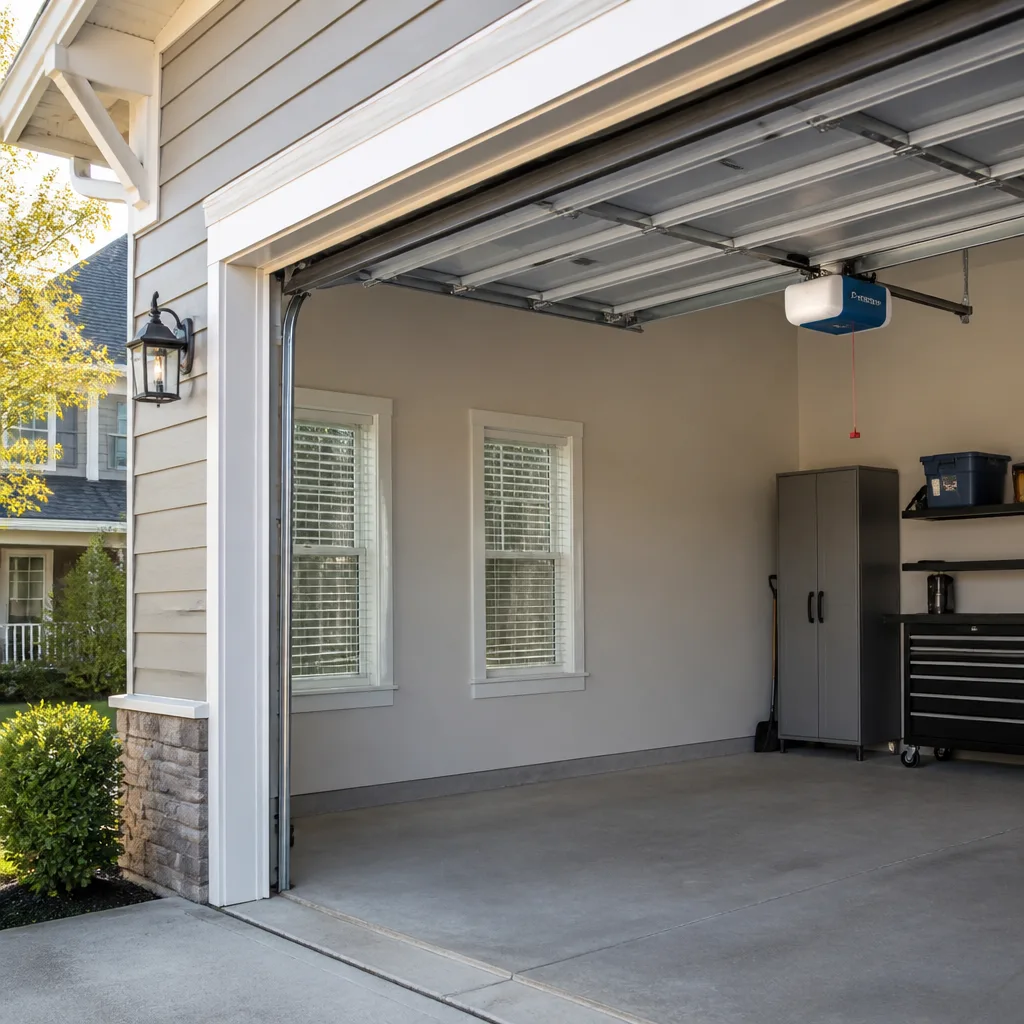 Chamberlain openers
Full 25-point door and opener safety check with every visit - springs, cables, rollers, tracks, and your LiftMaster or Chamberlain opener included
You get a price before we start. It does not change when the pro arrives.
Get your free estimateThe Complete Guide to Garage Doors in McLean
Most garage doors in McLean don’t fail suddenly. They fail on a schedule, and that schedule was set the day the house was built. A door installed during the 1970s colonial wave, or an opener hung during the 1990s Transitional boom, has been quietly wearing out through every winter since. The spring that snapped this month was always going to snap. That’s why a genuine emergency call and a long-overdue replacement often describe the same door, just at different moments.
This guide walks the full life of a garage door as it actually plays out in McLean: the soil under the slab, the rough openings behind the trim, the brands already bolted to the ceiling, and the honest decision points between repair and replacement. You’ll finish knowing how to read your own door from the driveway and when to stop guessing.
Quick Answer
A garage door in McLean usually lasts 15 to 30 years for the door itself and 10 to 15 years for the opener, though clay soil movement and frost heave can shorten that by throwing the door out of alignment. Most problems homeowners call about – a broken spring, a dead opener, a door off its tracks – are repairable rather than replacement cases. The right call depends on the door’s age, the condition of the panels and the size of the opening behind it.
Styles & brands we work with
- Raised-panel steel
- Carriage house
- Modern flush
- Full-view glass
- LiftMaster openers
- Chamberlain openers
Table of Contents
- How McLean’s Housing Stock Shapes Every Garage Door Problem
- Clay Soil, Frost Heave, and Why Your Door Drifts Out of Line
- Undersized Rough Openings and the Installation Trap
- What’s Already in Your Garage: Brands by Neighborhood
- How to Read Your Door From the Driveway
- Repair, Refurbish, or Replace: The Honest Decision Tree
- Why Springs Are the One Repair You Should Never DIY
- A Yearly Routine That Actually Prevents Failures
How McLean’s Housing Stock Shapes Every Garage Door Problem
McLean isn’t one housing market. It’s at least three, stacked on top of each other, and each one produces a different kind of garage door call. The 1970s colonials that fill the older subdivisions came with single-car and two-car doors of the era, often wood or early steel, hung on openers that have long since outlived their design life. The 1990s Transitional builds brought larger two-car garages, taller doors and the first wave of belt-drive openers. The post-2010 luxury renovations added oversized custom doors, glass panels, and carriage-house styles that need completely different hardware.
That mix matters because a garage door is not a universal part. A door from 1978 has a different track profile, a different spring configuration and often a different panel dimension than a door from 2012. When we arrive at a McLean home, the first thing we do is identify the system, not the symptom. A door that won’t close because of a misaligned track on a 1990s build is a very different job than the same complaint on a modern custom door.
The other thing that shapes the work here is how often these homes have been renovated around the garage without updating it. Kitchens and bathrooms get redone; the garage door gets ignored until it stops working. That’s the countdown mentioned at the top. If you’re trying to understand what’s actually wrong before you call anyone, our guide to garage door repair covers the symptoms and what each one usually means.
Clay Soil, Frost Heave, and Why Your Door Drifts Out of Line
Much of McLean sits on heavy clay soil, and clay does two things that concrete slabs don’t appreciate. It swells when wet and shrinks when dry, and it lifts when the ground freezes. Over years, that movement shifts the garage slab by small amounts. Small amounts are all it takes. A garage floor that’s a quarter inch out of level is enough to make a door bind, drag, or close unevenly at one corner.
Homeowners often blame the door for this. The door is usually innocent. What’s happening is that the opening has moved relative to the door, or the slab has settled under one side of the track. Here’s what that looks like in practice:
- A gap at one bottom corner when the door is closed. The slab has settled or heaved on that side, and the weather seal no longer meets the floor.
- The door binds partway down. The vertical tracks are no longer parallel because the floor moved under one of them.
- A loud pop or scrape in cold weather. Frost heave has lifted the slab slightly, and the door is catching on the way past.
- The door closes but doesn’t seal. The bottom rubber has compressed unevenly, or the whole opening is out of square.
None of these are spring failures, and none of them require replacing the door. What they require is a technician who understands that the problem is the opening, not just the hardware. Adjusting a track to fit a slab that has moved is a different skill from swapping a part. If your door is dragging or binding, that’s a repair call, and the earlier it’s caught the less it costs.
Undersized Rough Openings and the Installation Trap
Here’s something generic garage door guides never mention: a large share of McLean homes built between the 1970s and 1990s have undersized or non-standard rough openings. Builders of that era didn’t always frame to a standard dimension, and renovation work over the decades sometimes narrowed an opening further. That matters enormously when a door reaches the end of its life and a homeowner wants a modern replacement.
A new door has to fit the opening that exists, not the opening the manufacturer assumed. When the rough opening is non-standard, the installation stops being a swap and becomes a measured, engineered job. That’s why a proper installation starts with a site measure, not a catalog. The steps look like this:
- Measure the opening, not the old door. Width, height, headroom above the opening, and side clearance all get recorded.
- Check the headroom against the new door’s requirements. Modern doors need specific clearance for the track and the opener, and older garages don’t always have it.
- Confirm the opening is square and plumb. A non-square opening on a settled slab needs correcting before any new door goes in.
- Order the door to the measured opening. This is why installation is scheduled work, not same-day work. The door has to be built to fit.
- Install, balance, and test. The door gets hung, the springs get tensioned to the door’s actual weight, and the opener gets set to the new travel.
If you’re planning a replacement, our garage door service team handles the measure and the install as one job, so nothing gets lost between the person who measures and the person who hangs the door. That handoff is where most installation problems begin.
What’s Already in Your Garage: Brands by Neighborhood
Brand presence in McLean follows the housing waves closely, and knowing what’s already installed tells us a lot before we arrive. Along the older Great Falls Road corridors, the openers are frequently Chamberlain or Craftsman units from the 1990s, and the doors are often original steel or wood. In the newer Chesterbrook-area builds and the post-2010 renovation projects, LiftMaster and Genie openers are far more common, often paired with modern Clopay or Amarr doors and, increasingly, Raynor carriage-house styles.
Why does this matter to a homeowner? Because diagnosis is brand-specific. A LiftMaster opener with a wall control that’s gone dead has a different troubleshooting path than a Genie unit with the same symptom. A Chamberlain unit that runs but won’t close is often a safety-sensor issue specific to how those sensors are wired. A technician who works across all of these brands reads the system in front of them rather than guessing.
It also matters for parts. A door from a manufacturer still widely installed today is easier to match hardware to than a discontinued model. When we identify the brand and model early, we know whether a repair is a straightforward part swap or whether the door is old enough that a matching component has to be sourced carefully. That’s the difference between a one-visit repair and a frustrating back-and-forth. We work on the brand already in your garage, which is the whole point of a specialist.
How to Read Your Door From the Driveway
You can learn a lot about a garage door before you ever touch it. Stand back on the driveway and look at it the way a technician would. These checks take two minutes and tell you whether you’re looking at a minor adjustment or a repair call.
- Look at the panels. Are they flat and even, or is one panel bowing? A bowed panel usually means a spring or cable problem is loading the door unevenly.
- Check the bottom edge. Does the door meet the floor evenly across the full width? A gap at one corner points to slab movement or a track out of alignment.
- Look at the tracks. Are the vertical tracks straight and parallel? Any visible bend is a problem, because the door follows those tracks exactly.
- Listen when it moves. A door that grinds, scrapes or pops is telling you something is binding. A door that runs quietly is usually fine mechanically.
- Watch for the shudder. If the door jerks or shudders as it starts to rise, the springs are losing tension or the door is out of balance.
- Check the springs above the door. Look for a visible gap in a torsion spring or a stretched extension spring. Do not touch them. Just note what you see.
The driveway check won’t tell you everything, but it separates the obvious from the invisible. A door that passes all six checks and still won’t open is almost always an opener or sensor issue, which is a separate diagnostic path. Our garage door opener repair page covers that side of the system in detail.
Repair, Refurbish, or Replace: The Honest Decision Tree
The hardest question in this trade is whether to fix the door you have or replace it. Homeowners get pushed toward replacement too often, and toward endless repair too often as well. Here’s how we actually think about it.
Repair makes sense when the door is structurally sound, the panels are intact, the tracks are straight and the failure is a single component. A broken spring on an otherwise healthy door is a repair, full stop. A dead opener on a door in good condition is a repair. These are the majority of calls, and they’re straightforward.
Refurbish makes sense when the door is mechanically fine but tired: worn rollers, a hardened bottom seal, noisy hinges, a track that’s slightly out of alignment. Replacing the hardware on a sound door buys years without the cost or the lead time of a new door.
Replacement makes sense when the door itself has failed structurally. That means cracked or rusted-through panels, a bent track that has damaged the door frame, a door that’s been hit and can’t be straightened, or a door old enough that parts are no longer made for it. It also makes sense when the rough opening and the old door are so mismatched that a modern replacement solves problems a repair can’t.
Age is a useful signal, not a rule. A well-maintained door from the 1990s can outlast a neglected door from 2010. Look at condition first, age second. And if a repair reveals the door is past saving, a full-service specialist handles the replacement without handing you off to a separate installer. You can read more about the garage door installation side of that decision if you’re leaning toward replacement.
Why Springs Are the One Repair You Should Never DIY
Torsion springs store an enormous amount of energy, and when they fail they release it instantly. This is not a job to learn from a video. A torsion spring under tension can cause serious injury in a fraction of a second, and the winding bars and technique required are not something a homeowner should improvise. We say this plainly because it’s the single most important safety point in this entire guide.
A trained technician handles springs differently. The job starts by relieving the tension safely, using the correct tools and the correct winding procedure for that specific door’s configuration. Spring sizes are matched to the door’s actual weight, not guessed. A spring that’s wrong for the door will fail early or leave the door unbalanced. This is why spring work is a named specialty for us rather than an afterthought, and why we treat it with the caution it deserves.
If you suspect a spring has broken, the safest thing you can do is stop using the door and call. Don’t try to open it manually, don’t try to inspect the spring closely, and don’t ask a general handyman to take a look. Our garage door spring repair team is set up for exactly this, and springs are one of the most common reasons people call us. The repair is routine for a trained technician and genuinely dangerous for anyone else.
A Yearly Routine That Actually Prevents Failures
Most of what we fix could have been delayed by an hour of attention a year. A garage door is a machine with moving parts, and it rewards the same care you’d give a car. Here’s a simple yearly routine that catches problems before they become failures.
- Lubricate the moving parts. Rollers, hinges and the spring (with a proper garage door lubricant, never grease) get a light coat once a year.
- Test the balance. Disconnect the opener and lift the door halfway. It should stay put. If it drops or rises on its own, the springs need attention.
- Test the safety reverse. Put a small object under the closing door. It should reverse on contact. If it doesn’t, stop using the door and call.
- Inspect the tracks by eye. Look for bends or gaps. Don’t try to bend them back yourself.
- Check the weather seal. Look for cracks or gaps along the bottom edge, especially after a hard winter.
- Listen. New noises are the earliest warning you’ll get. A door that’s gotten louder is telling you something is wearing.
In McLean, the best time to do this is late fall, before the ground freezes and frost heave starts shifting slabs. A door that’s adjusted and lubricated in October handles the winter far better than one that isn’t. If you’d rather have a technician run the check, that’s a reasonable use of a service call, and it’s often cheaper than the repair it prevents.
Common Mistakes to Avoid
- Trying to fix a torsion spring yourself. This is the most dangerous mistake on the list. A spring under tension can injure you seriously in an instant, and the correct tools and technique aren’t something to improvise.
- Calling a general handyman for a brand-specific opener problem. A LiftMaster or Genie unit with a control-board fault needs someone who knows that system. A generalist will often replace parts by guesswork, and the problem comes back.
- Ignoring a door that binds in cold weather. In McLean, that binding is often frost heave moving the slab. Left alone, it wears the rollers and can bend a track, turning a cheap adjustment into a bigger repair.
- Buying a new door without measuring the rough opening. Older McLean homes often have undersized or non-standard openings. A door ordered to the wrong dimension is a problem no installer can fix on site.
- Replacing an entire door when only the hardware is worn. Worn rollers, hinges and seals on a structurally sound door are a refurbish job, not a replacement. Get an honest diagnosis before you commit to a new door.
- Skipping the yearly balance and safety-reverse test. These two checks catch most serious problems early. Neither takes more than a few minutes.
- Forcing a door that’s off its tracks. Running the opener on a door that’s come out of the tracks can bend panels and damage the frame. Stop, and call.
See the difference
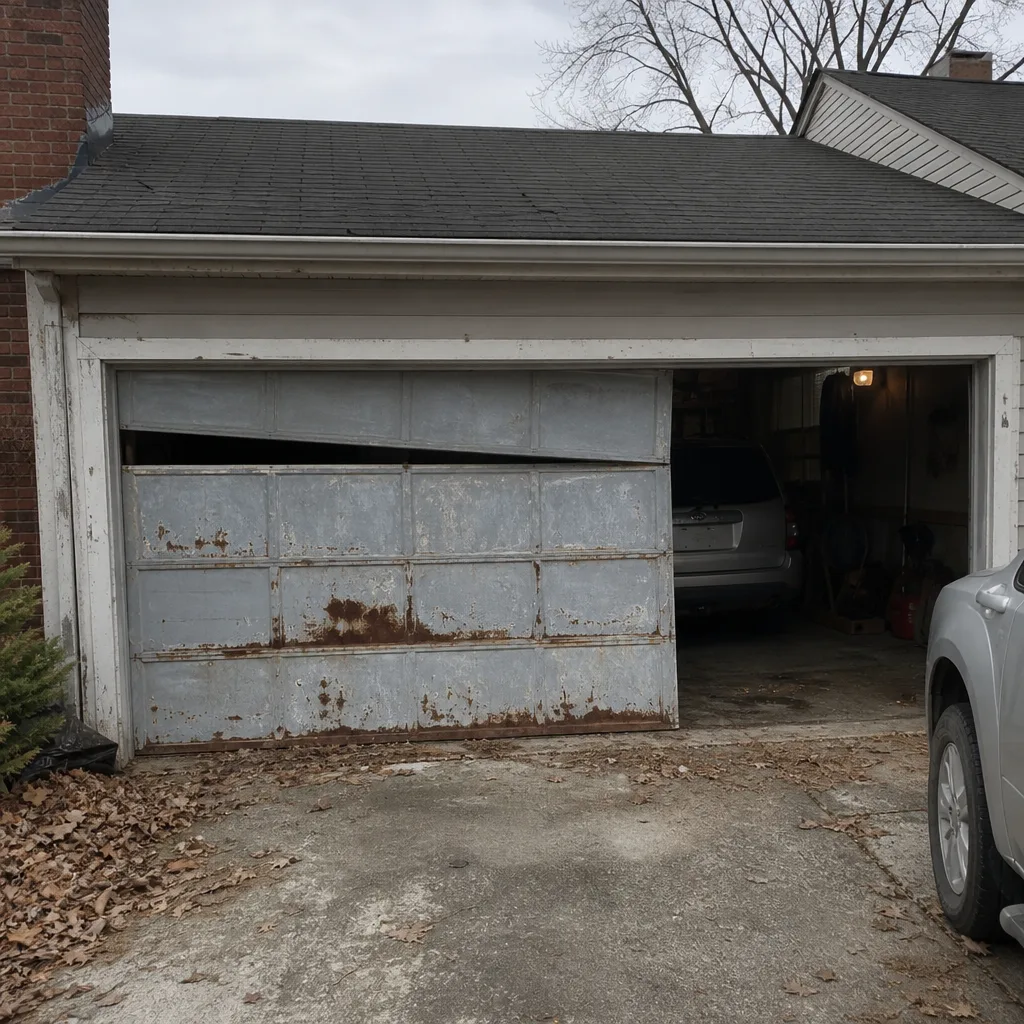 Before
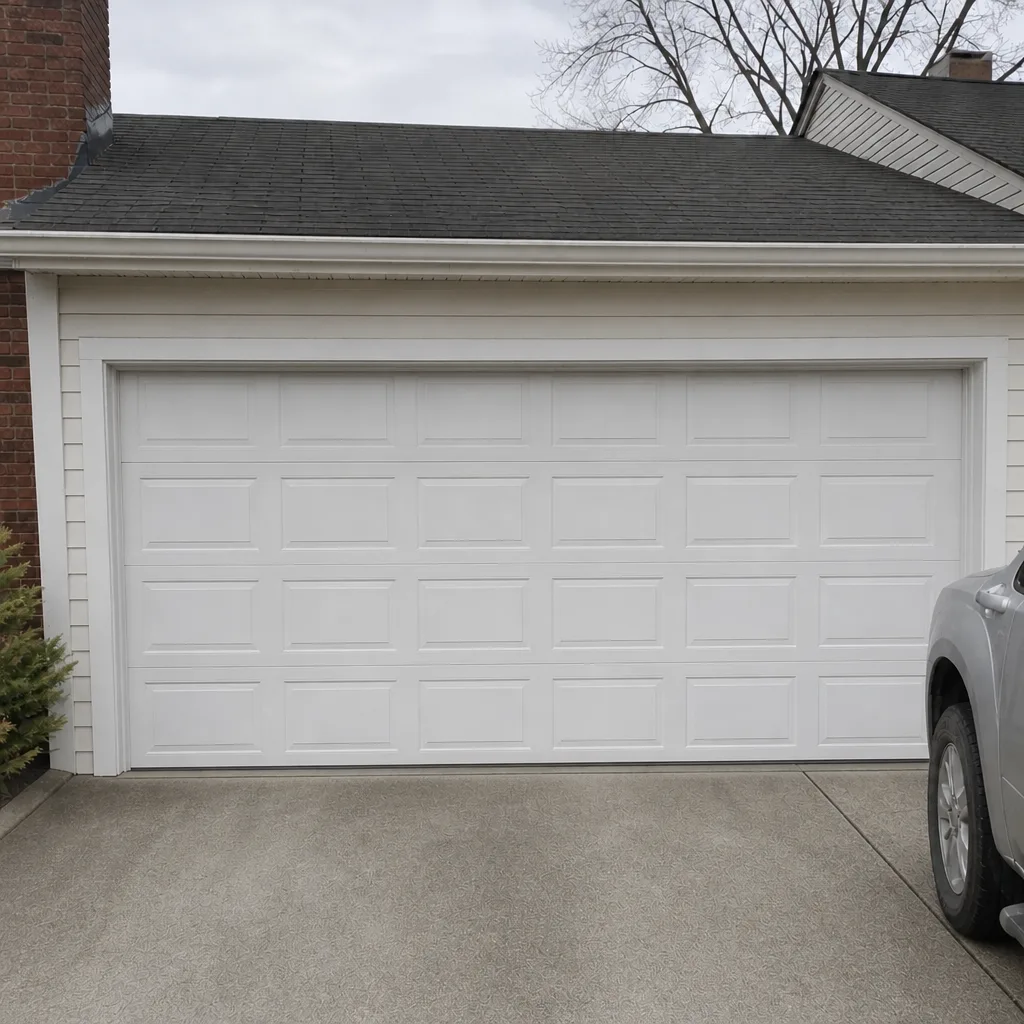 After
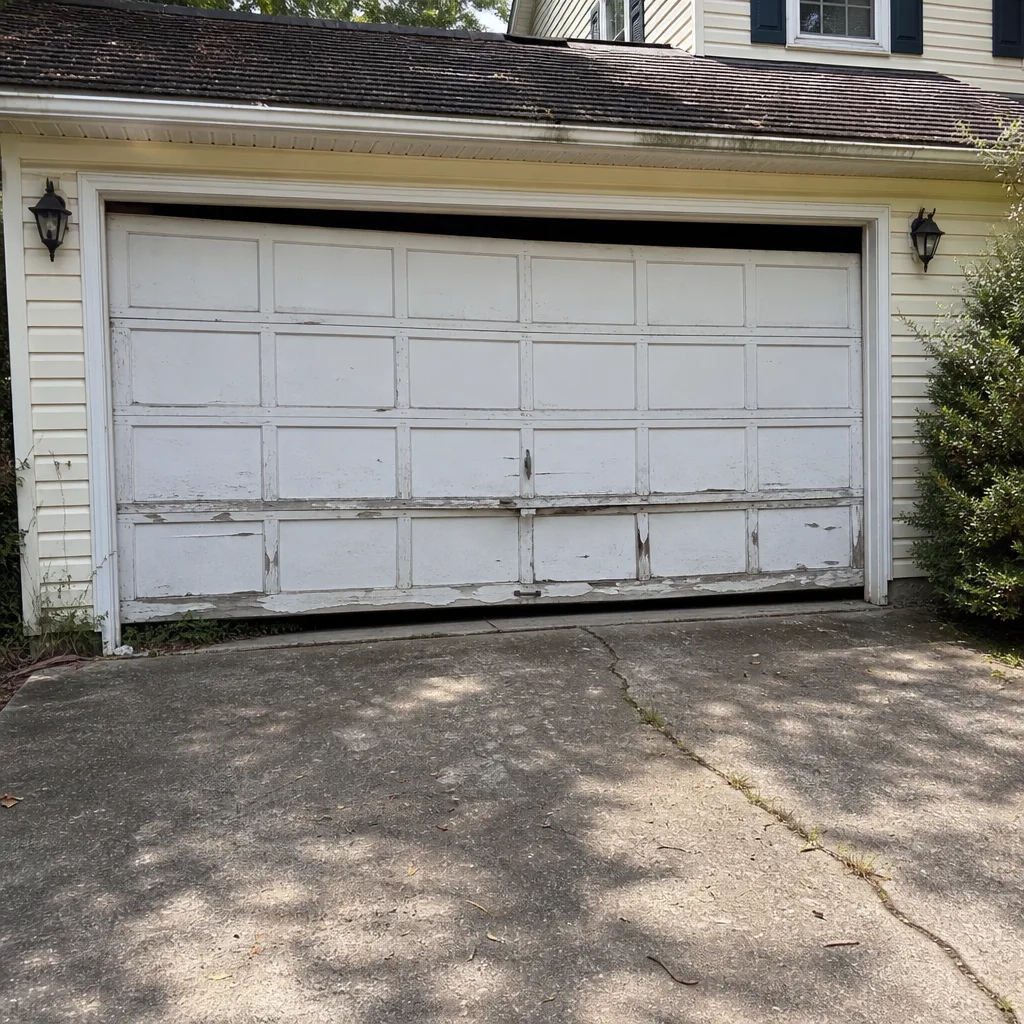 Before
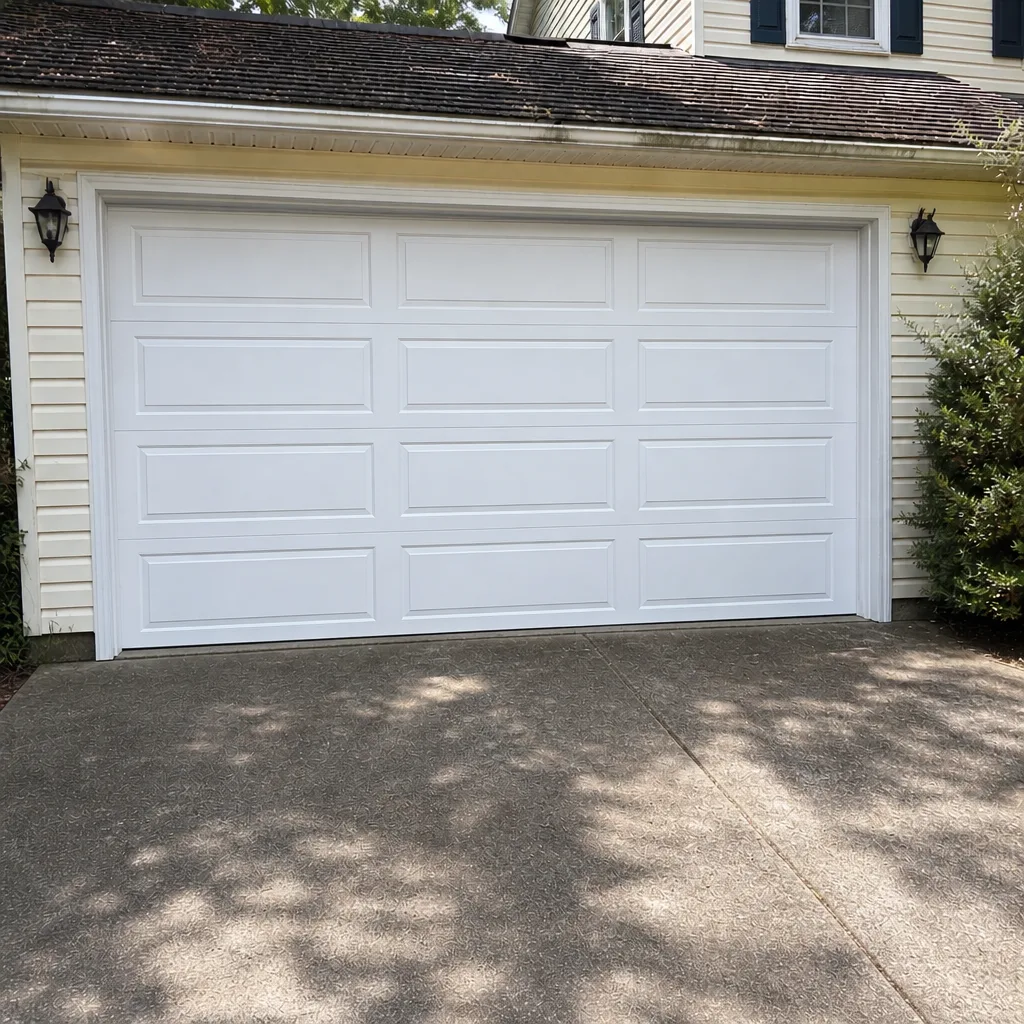 After
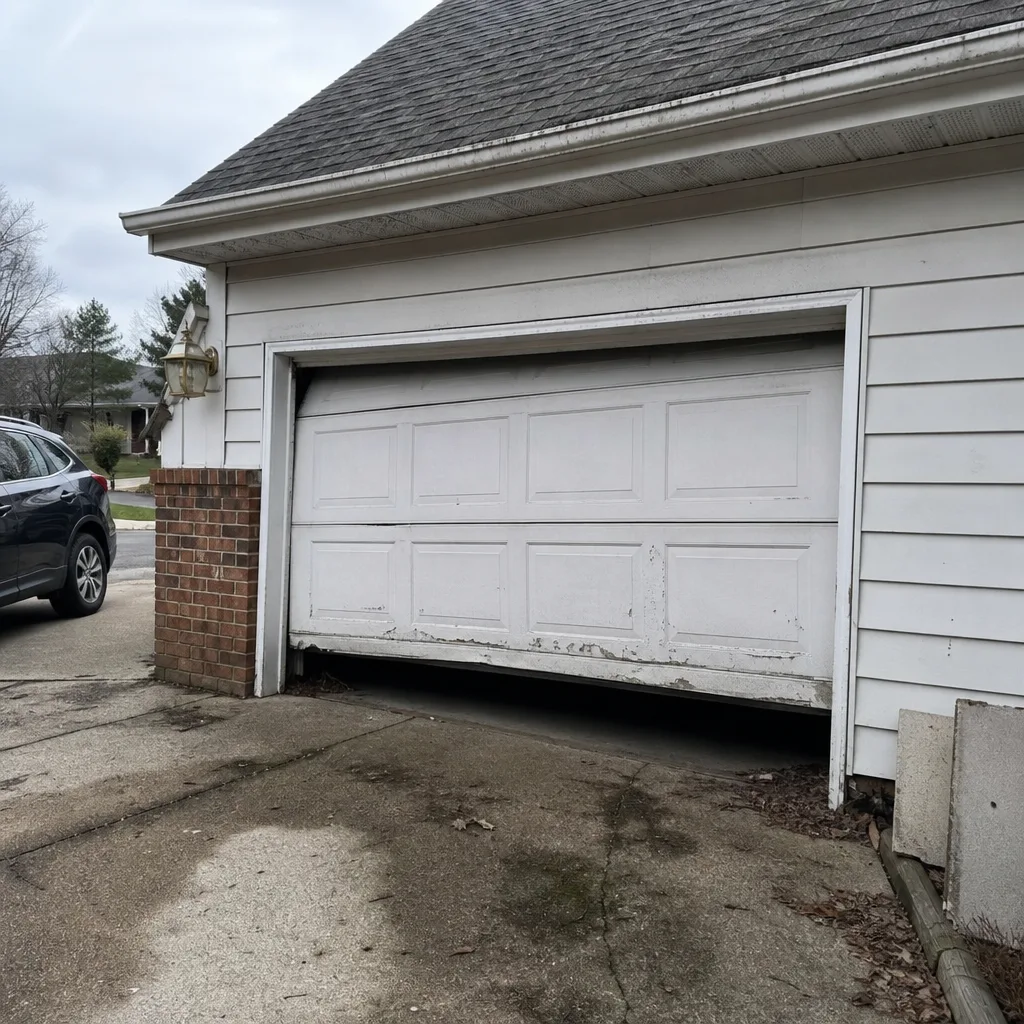 Before
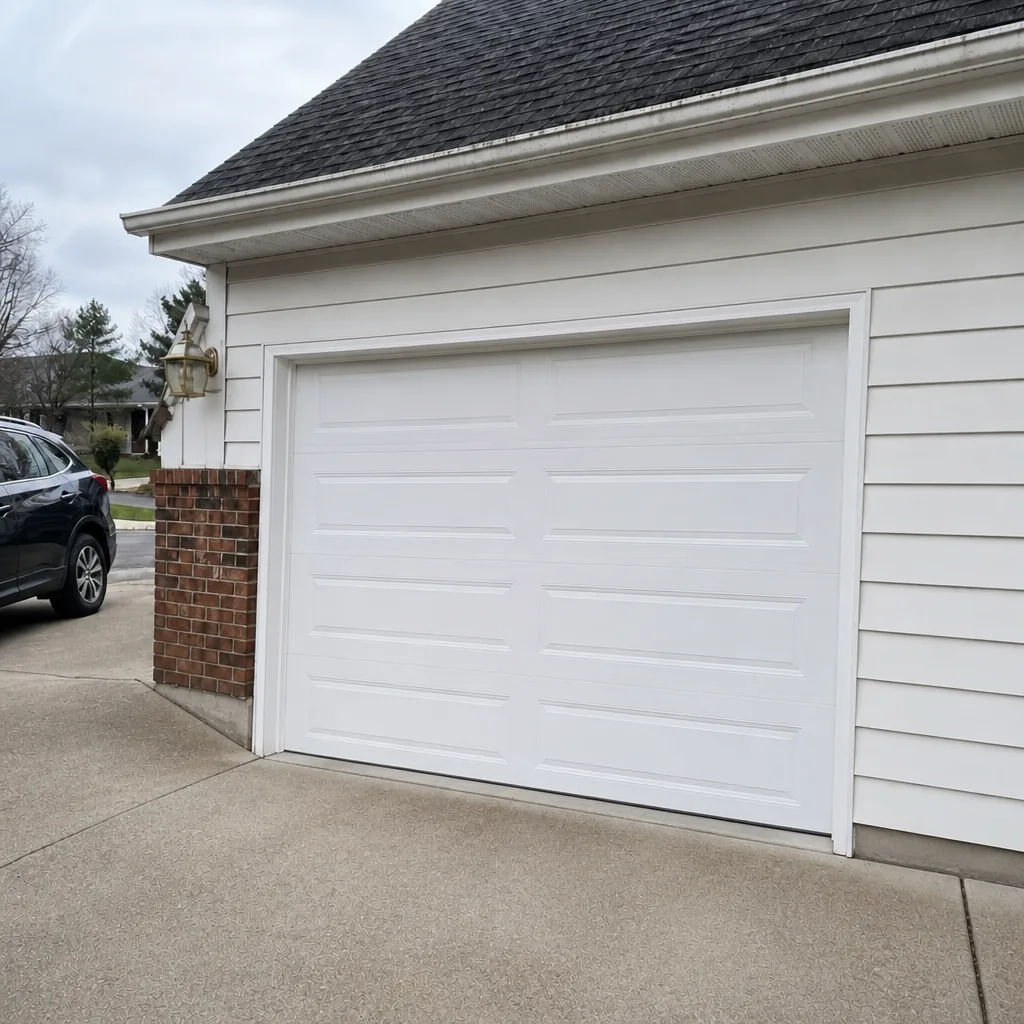 After
When to Call a Professional
Some problems are obvious calls. A broken spring, a door that’s come off its tracks, an opener that runs but won’t move the door, or a door that won’t close all the way and leaves the house unsecured. Any of those means stop using the door and call. Other situations are less obvious: a door that’s gotten noisier over a few months, a bottom seal that no longer meets the floor, or a door that shudders when it starts to move. Those are worth a look before they become emergencies, especially in McLean where slab movement makes alignment problems common.
If you’re not sure which category you’re in, that’s fine. A free estimate tells you what’s actually wrong and what it costs to fix, and the price is quoted and agreed before any work starts. McLean Garage Door Repair Pros offers free estimates in McLean. Call (844) 493-7480. We answer 24/7. Fast dispatch from 7am to 7pm, Sunday through Friday.
Frequently Asked Questions
A garage door typically lasts 15 to 30 years, and an opener usually lasts 10 to 15. In McLean, clay soil movement and frost heave can shorten the door’s life by pushing it out of alignment over time, which wears rollers and tracks faster. The door itself often outlasts the opener by a wide margin.
Cold-weather binding in McLean is usually the slab, not the door. Frost heave lifts the ground under the garage floor slightly, and that shifts the opening relative to the door. The door then catches on a track that’s no longer parallel. It’s a repair, and the earlier it’s adjusted the less wear it causes.
Most repairs are same-day jobs. Broken springs, dead openers and doors off their tracks are the calls we’re set up for, and dispatch runs from 7am to 7pm, Sunday through Friday. Call (844) 493-7480 for an exact quote. Estimates are free.
No. The price is quoted and agreed before any work starts, and the written estimate sets the final price. What you agree to is what you pay. If the diagnosis changes once we’re on site, we tell you before any additional work begins.
Spring repair is priced per spring after we identify the door’s configuration, since spring size is matched to the door’s actual weight. A matched pair is usually replaced together and costs about twice a single spring. Call (844) 493-7480 for a free estimate on your specific door.
Yes. We work on LiftMaster, Chamberlain, Genie, Clopay, Amarr, Wayne Dalton, Craftsman and Raynor systems. That means we diagnose the exact system in your garage rather than substituting a generic part. Our technicians have up to 12 years of experience across these brands.
The Bottom Line
Most garage door failures in McLean are predictable, and that’s good news. The 1970s and 1990s housing stock means a lot of doors and openers are simply past their design life. Clay soil and frost heave push those older doors out of alignment, and undersized rough openings complicate any replacement. None of that is a reason to panic. It’s a reason to know your door’s condition before it fails.
Read your door from the driveway. Run the yearly checks. Never touch a spring. When something does fail, call a specialist who works on your brand and quotes the price before the work starts. Call (844) 493-7480 for a free estimate. We answer 24/7. Fast dispatch from 7am to 7pm, Sunday through Friday.
Written by the team at McLean Garage Door Repair Pros.